
Dr Sanjeevs PAI
About Me
Dr Sanjeevs PAI
MBBS
General Physician
Biography
My Clinic
OPD Hours
| Monday | Morning | 10:00 AM | - | 02:00 PM |
| Evening | 06:00 PM | - | 09:00 PM | |
| Tuesday | Morning | 10:00 AM | - | 02:00 PM |
| Evening | 06:00 PM | - | 09:00 PM | |
| Wednesday | Morning | 10:00 AM | - | 02:00 PM |
| Evening | 06:00 PM | - | 09:00 PM | |
| Thursday | Morning | 10:00 AM | - | 02:00 PM |
| Evening | 06:00 PM | - | 09:00 PM | |
| Friday | Morning | 10:00 AM | - | 02:00 PM |
| Evening | 06:00 PM | - | 09:00 PM | |
| Saturday | Morning | 10:00 AM | - | 02:00 PM |
| Evening | 06:00 PM | - | 09:00 PM | |
| Sunday | Morning | 10:00 AM | - | 02:00 PM |
| Evening | 06:00 PM | - | 09:00 PM |
Treatments
Specialised care and treatments offered
ALLERGIC RHINITIS TREATMENT

This common allergic condition results from triggers such as pollen dust mites triggering nasal symptoms like sneezing runny nose itchy eyes The severity varies person-to-person often significantly impacting daily activities
- Symptoms : Classic signs include congestion runoff clear nasal mucus frequently accompanied by itchy throat ears
- Causes : Seasonal allergies arise mainly from pollen although environmental irritants contribute increases stress immune response likely exacerbating conditions
- Diagnosis : While self reported history plays role skin prick tests confirm allergen sensitivity further investigation required unique cases
- Treatment Options: Over-the-counter antihistamines nasal sprays provide symptom relief consultation allergy specialist guide long-term strategies
- Management Expectations: Consistent adherence prescribed approaches greatly enhances quality-of-life experience reduces frequency severe episodes
Patient engagement fosters understanding enables positive healthcare experience enhancing overall wellness measures successfully preceding all other aspects attention-based measures form solid foundation further addressing primary concern accomplishing fulfilling goals accomplished via maintenance structured approach
PNEUMONIA EVALUATION

Pneumonia is an infection affecting one or both lungs that results in inflammation of the air sacs which may fill up with fluid or pus. This condition can develop due to various pathogens including bacteria and viruses. Early evaluation is vital for appropriate treatment interventions.
- Symptoms: Symptoms often include cough (which may produce phlegm), fever, chills, difficulty breathing, and sharp chest pain when coughing or breathing deeply.
ACUTE GASTROENTERITIS CARE

Acute gastroenteritis is an inflammation of the stomach and intestines often caused by viral or bacterial infections. Symptoms typically develop rapidly and include diarrhea, vomiting, abdominal cramps, and fever which can lead to dehydration if not addressed promptly.
- Common causes: Contaminated food or water often serves as the main source of infection leading to gastroenteritis outbreaks.
- Disease progression: Symptoms usually resolve within several days; however understanding hydration needs is crucial during these episodes.
- Treatment options: Focus on hydration through oral rehydration solutions; severe cases may require intravenous fluids under medical supervision.
This condition generally resolves itself without intensive treatment but requires careful attention to hydration status for recovery assurance.
ASTHMA MANAGEMENT
Asthma is a chronic respiratory condition that affects the airways in the lungs. It leads to recurrent episodes of wheezing, breathlessness, chest tightness, and coughing that can severely impact daily activities if not managed properly.
- Symptoms: Wheezing sound when breathing, persistent cough especially at night or early morning.
- Causes: Triggers can include allergens like pollen or dust mites, physical activity, or respiratory infections.
- Treatment options: Inhaled corticosteroids are commonly prescribed alongside bronchodilators for immediate relief during an asthma attack.
- Management techniques: Patients should develop an asthma action plan with their healthcare provider for effective management during flare-ups.
The right management approach allows individuals with asthma to control their symptoms and live active lives without restrictions.
DIABETES MELLITUS SCREENING

Diabetes Mellitus is a metabolic disorder characterized by elevated blood glucose levels. Early detection is key to managing this condition effectively and preventing complications.
- Symptoms: Increased thirst and urination, fatigue, blurred vision, and slow healing of wounds.
- Diagnosis: A simple blood test measuring glucose levels can confirm diabetes or prediabetes status.
- Treatment options: Management includes dietary adjustments, regular physical activity, monitoring blood sugar levels, and potentially insulin therapy or oral medications.
- What to expect: Lifestyle changes combined with medical treatment can significantly improve health outcomes for those diagnosed with diabetes.
A proactive approach towards screening can help prevent advanced stages of the disease and improve quality of life.
HYPERTENSION MANAGEMENT
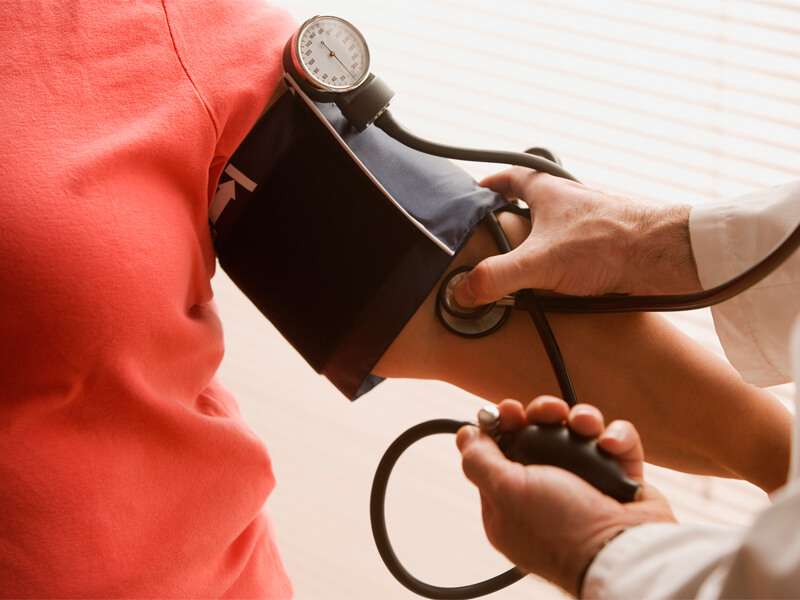
Hypertension, commonly known as high blood pressure, is a prevalent condition that can lead to serious health complications if left untreated. Many individuals may not experience noticeable symptoms, making regular monitoring essential.
- Symptoms: Often asymptomatic, but may include headaches, shortness of breath, or nosebleeds in severe cases.
- Diagnosis: Blood pressure measurements taken during routine check-ups can help diagnose hypertension.
- Treatment options: Management may involve lifestyle changes such as diet and exercise, along with medications that lower blood pressure.
- What to expect: Regular monitoring and follow-up appointments are critical in managing hypertension effectively.
With proper management, individuals with hypertension can lead healthy lives and reduce the risk of cardiovascular diseases.