
Dr Sanjiv Shah
About Me
Dr Sanjiv Shah
Dermatologist
Biography
My Clinic
OPD Hours
| Tuesday | Morning | 10:00 AM | - | 02:00 PM |
| Evening | 06:00 PM | - | 09:00 PM | |
| Wednesday | Morning | 10:00 AM | - | 02:00 PM |
| Evening | 06:00 PM | - | 09:00 PM | |
| Thursday | Morning | 10:00 AM | - | 02:00 PM |
| Evening | 06:00 PM | - | 09:00 PM | |
| Friday | Morning | 10:00 AM | - | 02:00 PM |
| Evening | 06:00 PM | - | 09:00 PM | |
| Saturday | Morning | 10:00 AM | - | 02:00 PM |
| Evening | 06:00 PM | - | 09:00 PM | |
| Sunday | Morning | 10:00 AM | - | 02:00 PM |
| Evening | 06:00 PM | - | 09:00 PM | |
| Thursday | Morning | 10:00 AM | - | 02:00 PM |
| Evening | 06:00 PM | - | 09:00 PM |
Treatments
Specialised care and treatments offered
MELANOMA SCREENING
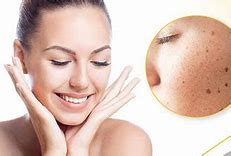
Mole screening is an essential preventative measure against melanoma which constitutes a serious form of skin cancer arising from pigment-producing cells called melanocytes. Early detection remains crucial enhancing treatment success rates significantly compared later-stage diagnoses informed knowledge goes far improving survival chances remarkably!
- Symptoms : < / sp ; em >(New moles appearing asymmetries unusual shape colors require prompt examination!)< br />Patients noticing changes existing moles as well necessitate attention ensure timely intervention actioned too avoiding serious consequences emerging long-term independence compromised drastically!
- Diagnosis: Detailed assessments examining previous personal history family records analyzing specific characteristics recognized particular atypical features protruding whilst using dermatoscopy enhances accuracy identifying concerning signs possibly indicating malignancy accurately ! / Ul >/ Ul >/ Ul внедряем число в выходной JSON-объект после разделителей
WARTS
This common viral infection manifests as growths on the skin caused by human papillomavirus (HPV). Warts can appear anywhere on the body but are frequently found on hands and feet where they might cause discomfort if not treated appropriately.
- Symptoms: The most notable characteristic is small raised bumps which can vary in texture from smooth to rough depending upon type; some may itch occasionally too.
- Causes: The HPV virus spreads via direct contact making them contagious among untreated individuals especially children who are more prone due behaviorally enthusiastic interactions outdoors!
- Diagnosis: A healthcare professional will diagnose warts after examining them visually without needing laboratory tests usually necessary unless other concerns arise requiring further analysis typically done through biopsy techniques if uncertain about differences between several lesions around important locations like near nails etc..
- Treatment options: Treatment ranges from cryotherapy (freezing off wart) , chemical applications over some sessions until complete resolution achieved possible total elimination given sufficient commitment respective individual demands aligned accordingly hence cooperation strongly encouraged throughout process duration actively managed effectively ensuring optimal final results sans recurrence risk reduced substantially afterwards being mindful afterward still vigilance necessary continually observed just avoiding highly susceptible areas prone again reinfection!
- What To Expect: Mild discomfort during procedures however generally excellent success rates reported achieving satisfactory outcomes resulting ultimately restoring usual physical appearances thereafter so much more confidence restored having addressed longstanding worries bothering patients since early onset stage earlier encountered before timely interventions took place enabling joyous feelings regained towards normalcy!
Simplifying care pathways improves clarity therefore empowering patients about managing warts confidently rebuilding self-esteem positively moving forward freeing them unhindered once liberated experiencing relief yielding positivity regained highly welcomed transformation overall quality lives enhanced significantly thereafter gradually unfolding again anew!
ROSACEA
This chronic inflammatory condition mainly affects the face and leads to noticeable redness along with visible blood vessels. It typically appears in adults and requires sensitivity in management strategies due to its complex nature.
- Symptoms: Includes persistent facial redness similar to sunburn along with bumps that resemble acne and flushing episodes triggered by various stimuli.
- Causes:Your genetic background plays a significant role; environmental factors such as sun exposure could also exacerbate flare-ups.
- Diagnosis: Involves clinical evaluation focusing on symptom history without any elaborate tests required normally.
- Treatment options: Management often combines lifestyle adaptations alongside topical treatments like metronidazole or oral antibiotics when necessary.
- What to expect: With consistent care practices implemented correctly over time visual improvements should occur albeit slowly promoting better confidence levels overall.
Living well with rosacea entails understanding triggers while benefiting from medically guided solutions addressing specific issues progressively.
ECZEMA
Eczema is a term used to describe a group of conditions that cause the skin to become inflamed or irritated. It primarily affects children but can persist into adulthood or emerge later in life.
- Symptoms: Patients might experience dry patches that can become itchy and lead to redness or rashes appearing in various locations on the body.
- Causes: Often prompted by environmental factors like allergens, irritants or even emotional stressors that aggravate the condition.
- Diagnosis: Usually made based on medical history and clinical evaluation; sometimes allergy testing may be conducted to identify triggers.
- Treatment options: Topical corticosteroids are commonly employed; additionally maintaining proper moisture in the skin is critical.
- What to expect: Regular moisturizing routines combined with prescribed treatments can manage symptoms effectively over time.
A proactive approach enables those with eczema to enjoy improved comfort while managing their skin condition efficiently.
PSORIASIS
This chronic autoimmune condition results in rapid skin cell production leading to thickened patches known as plaques. Psoriasis can significantly impact quality of life for those affected.
- Symptoms: Common symptoms include raised red patches covered with silvery-white scales and dryness that can lead to cracking.
- Causes: Triggers often include stress, infections, or certain medications alongside genetic predisposition.
- Diagnosis: Diagnosis generally involves a thorough skin examination; sometimes a biopsy is needed for confirmation.
- Treatment options: Treatment may involve topical therapies, phototherapy or systemic medications based on severity.
- What to expect: While there is no cure for psoriasis, effective management can reduce flares significantly.
A comprehensive approach involving lifestyle changes along with medical treatment can enhance overall outcomes for individuals living with this condition.
ACNE
Acne is a common skin condition that affects individuals of all ages, primarily during adolescence and young adulthood. It manifests as pimples, blackheads, and cysts that may occur on the face, back, and shoulders.
- Symptoms: Often includes inflamed red spots or pustules, excess oiliness, and sometimes scarring.
- Causes: Generally caused by hormonal changes, clogged pores from dead skin cells, and bacteria.
- Diagnosis: Typically diagnosed through a physical examination and medical history review.
- Treatment options: May include topical retinoids, antibiotics, or oral medications depending on severity.
- What to expect: Improvement may take several weeks; consistent management is crucial for prevention of flare-ups.
With appropriate treatment strategies tailored to individual needs, acne can be effectively managed and controlled.