
Dr Sankalp
About Me
Dr Sankalp
Internal Medicine
Biography
My Clinic
OPD Hours
| Tuesday | Morning | 10:00 AM | - | 02:00 PM |
| Evening | 06:00 PM | - | 09:00 PM | |
| Wednesday | Morning | 10:00 AM | - | 02:00 PM |
| Evening | 06:00 PM | - | 09:00 PM | |
| Thursday | Morning | 10:00 AM | - | 02:00 PM |
| Evening | 06:00 PM | - | 09:00 PM | |
| Friday | Morning | 10:00 AM | - | 02:00 PM |
| Evening | 06:00 PM | - | 09:00 PM | |
| Saturday | Morning | 10:00 AM | - | 02:00 PM |
| Evening | 06:00 PM | - | 09:00 PM | |
| Sunday | Morning | 10:00 AM | - | 02:00 PM |
| Evening | 06:00 PM | - | 09:00 PM | |
| Thursday | Morning | 10:00 AM | - | 02:00 PM |
| Evening | 06:00 PM | - | 09:00 PM |
Treatments
Specialised care and treatments offered
ASTHMA MANAGEMENT
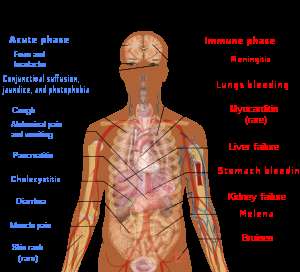
Asthma is a chronic lung condition characterized by inflammation that leads to wheezing and difficulty breathing. Understanding its triggers is fundamental for effective management
- Poorly controlled asthma may stem from allergens like pollen or cigarette smoke but can also be exacerbated by respiratory infections or exercise stress
- Diagnosis consists primarily of patient history along with functional lung testing such as spirometry
- Treatment options range from avoiding known triggers while utilizing inhalers-conducting daily medications advocating mild anti-inflammatory methods when needed
- Regular check-ups help review symptoms progress ensuring outlined plans remain effective tailoring adjustments per individual needs appropriately
With collaborative efforts involving healthcare professionals living well while managing asthma optimally becomes achievable enhancing quality living circumstances tremendously throughout
PREVENTIVE HEALTH SCREENINGS
Preventive health screenings are key components in maintaining optimal wellness. They aid in identifying potential health risks before they develop into serious conditions.
- Cancers such as breast, colon, or cervical cancer often have screening guidelines based on age and risk factors respectively.
- Other screenings might include assessments for diabetes or hypertension through simple laboratory tests
- Diagnosis relies heavily on history-taking methods including family history alongside routine physical examinations
- Depending on results from initial evaluations further testing might be warranted leading into different treatment avenues if necessary
- Patients should expect clear communication regarding what each type entails ensuring every individual feels prepared during assessments along this preventive journey
Staying proactive about one’s health fosters avenues for timely interventions leading towards longer lives filled with vitality
OBESITY COUNSELING
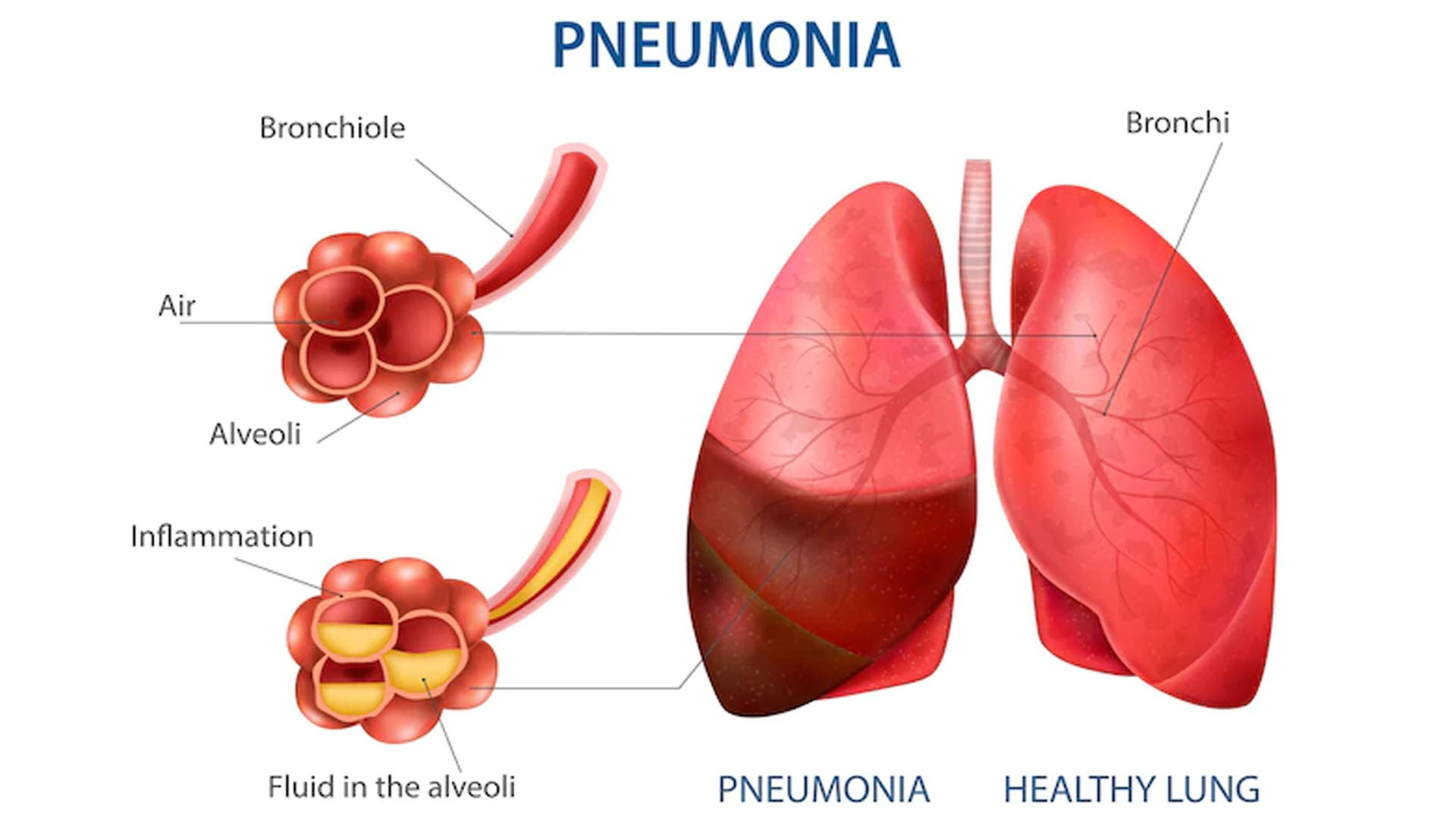
Obesity is increasingly recognized as a complex medical condition that impacts overall health. Addressing it through counseling leads to better outcomes for long-term weight management.
- Main contributing factors often include unhealthy eating patterns, sedentary lifestyle, genetic predisposition, and psychological factors.
- A thorough assessment usually includes evaluating body mass index (BMI), dietary habits, and physical activity levels to establish a baseline for improvement.
- Counseling may focus on creating tailored nutrition plans alongside encouraging regular exercise routines suited to individual abilities.
- Psychological support can also play a crucial role in developing healthier behaviors while addressing emotional triggers related to food consumption.
The journey toward achieving a healthier weight brings about numerous physical and emotional benefits when approached holistically with professional guidance
CHOLESTEROL MANAGEMENT
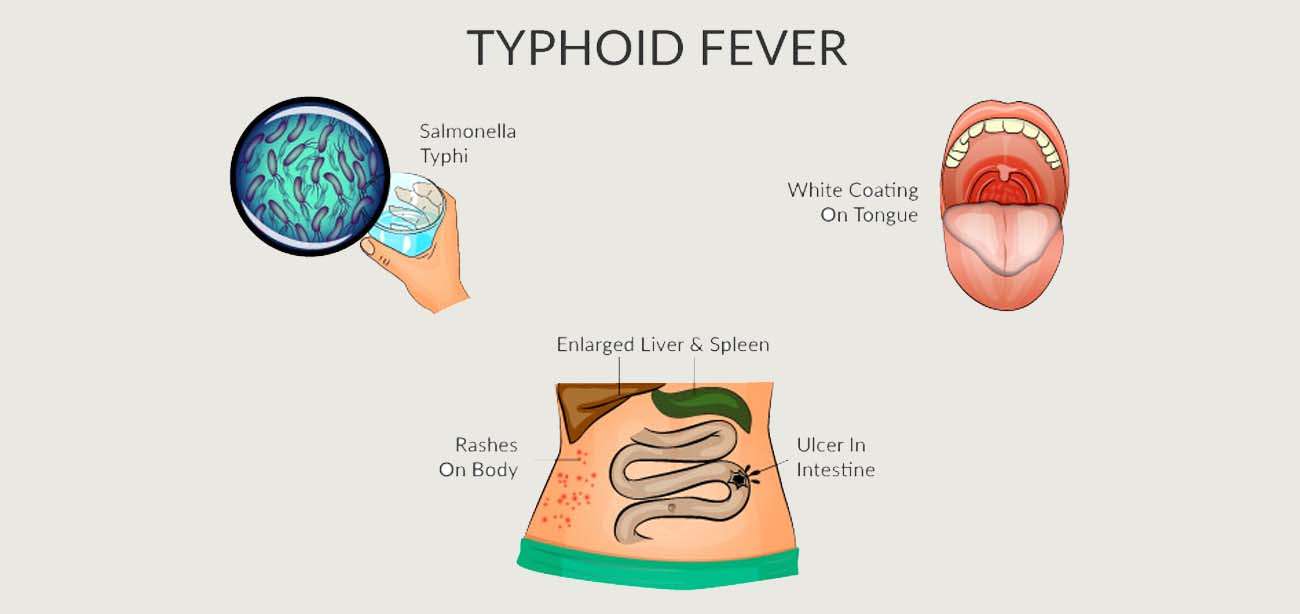
High cholesterol is an important risk factor for heart disease. It’s crucial to screen routinely since it often occurs without noticeable symptoms until severe health issues arise.
- The condition can result from poor diet, lack of physical activity, genetics, or other underlying health conditions.
- Diagnosis typically involves a lipid panel test that measures different types of cholesterol in your blood.
- Treatment starts with dietary changes aimed at lowering saturated fat intake; medications such as statins may be prescribed if lifestyle changes are insufficient.
- Patients should expect regular blood tests to monitor cholesterol levels and evaluate the effectiveness of the treatment plan.
- Maintaining healthy cholesterol levels can significantly reduce the risk of cardiovascular events.
With appropriate management strategies in place, patients can actively work towards better heart health over time.
DIABETES SCREENING AND MANAGEMENT
Diabetes is a metabolic disorder characterized by high blood sugar levels. Effective management begins with early detection through routine screening.
- The primary symptoms include increased thirst, frequent urination, extreme fatigue, and blurred vision.
- Diagnosis usually involves fasting blood sugar tests or A1C testing to measure average blood glucose levels over time.
- Treatment may involve lifestyle interventions like diet changes and physical activity alongside medication such as insulin or oral hypoglycemics when necessary.
- Regular follow-ups are vital to monitor blood sugar control and adjust treatment accordingly.
- A holistic approach helps in reducing the risk of complications like neuropathy or cardiovascular diseases.
Early intervention can make a significant difference in managing diabetes effectively and preventing long-term complications.
HYPERTENSION MANAGEMENT
Hypertension, commonly known as high blood pressure, is a chronic condition that requires careful management to prevent serious health complications. It often presents with no symptoms, which is why regular monitoring is essential.
- Common causes include obesity, lack of physical activity, smoking, and excessive sodium intake.
- Diagnosis typically involves measuring blood pressure at rest during multiple visits.
- Treatment options may include lifestyle changes such as diet modification and exercise, as well as medications like ACE inhibitors or diuretics.
- Patients can expect ongoing monitoring to adjust treatment plans effectively based on their individual responses.
- Managing hypertension lowers the risk of heart disease, stroke, and kidney problems.
By understanding and controlling this condition, individuals can significantly enhance their quality of life and longevity.