
Dr Sanket Shah
About Me
Dr Sanket Shah
Oncologist
Biography
My Clinic
OPD Hours
| Tuesday | Morning | 10:00 AM | - | 02:00 PM |
| Evening | 06:00 PM | - | 09:00 PM | |
| Wednesday | Morning | 10:00 AM | - | 02:00 PM |
| Evening | 06:00 PM | - | 09:00 PM | |
| Thursday | Morning | 10:00 AM | - | 02:00 PM |
| Evening | 06:00 PM | - | 09:00 PM | |
| Friday | Morning | 10:00 AM | - | 02:00 PM |
| Evening | 06:00 PM | - | 09:00 PM | |
| Saturday | Morning | 10:00 AM | - | 02:00 PM |
| Evening | 06:00 PM | - | 09:00 PM | |
| Sunday | Morning | 10:00 AM | - | 02:00 PM |
| Evening | 06:00 PM | - | 09:00 PM | |
| Thursday | Morning | 10:00 AM | - | 02:00 PM |
| Evening | 06:00 PM | - | 09:00 PM |
Treatments
Specialised care and treatments offered
IMMUNOTHERAPY

This revolutionary approach harnesses the body's immune system to fight cancer more efficiently. By enhancing natural defenses, immunotherapy aims at improving how the immune system recognizes and attacks tumor cells.
- Symptoms: Some patients might experience flu-like symptoms in response as their immune system activates against tumors during treatment phases.
- Diagnosis: Eligibility for immunotherapy usually requires specific biomarker testing conducted on tumor samples obtained via biopsy.
- Treatment Options: Available therapies include checkpoint inhibitors and therapeutic vaccines designed particularly for certain types of malignancies like melanoma or lung cancer.
Management:
HORMONE THERAPY
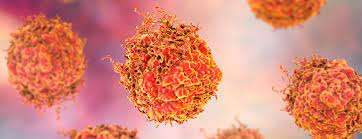
This treatment focuses on cancers that are sensitive to hormones, particularly breast and prostate cancers. It works by lowering hormone levels or blocking their effects on cancer cells.
- Symptoms: Hormone-sensitive cancers might exhibit symptoms related to hormonal imbalances such as growth changes or unexplained fatigue.
- Diagnosis: Determining suitability involves blood tests measuring hormone levels alongside imaging studies that assess tumor characteristics.
- Treatment Options: Various methods include hormonal drugs that inhibit hormone production or block hormones from attaching to cancer cells.
- Management: Continuous monitoring helps manage potential side effects like weight gain, mood swings, or hot flashes effectively throughout therapy duration.
This personalized approach can lead to significant improvements in quality of life while targeting the underlying mechanisms driving specific cancers.
RADIATION THERAPY
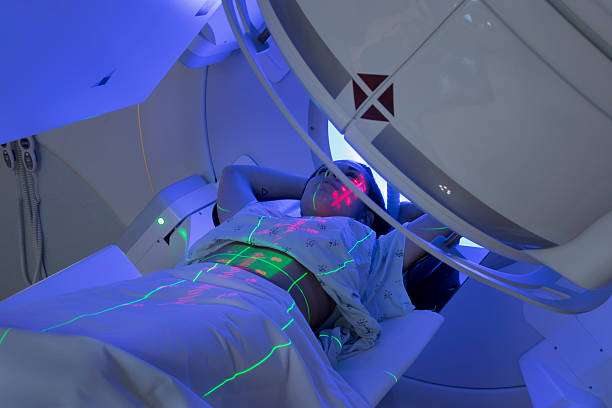
This non-invasive approach uses high-energy radiation to target cancerous cells while sparing surrounding healthy tissue. It is often used either alone or alongside other treatments like chemotherapy.
- Symptoms: Patients may experience localized discomfort, skin irritation, or fatigue during the course of treatment.
- Diagnosis: The decision to use radiation therapy is based on imaging studies that reveal tumor location and size.
- Treatment Options: Techniques vary from external beam radiation to brachytherapy, where radioactive sources are placed close to the tumor site.
- Management: Regular follow-ups ensure that dose adjustments are made as needed and manage any emerging side effects effectively.
- Expectations: Most courses last several weeks, during which patients receive treatment multiple times a week. Results may take time to become evident.
The intent of radiation therapy is often curative but can also serve a palliative purpose in managing symptoms associated with advanced cancer stages.
CHEMOTHERAPY
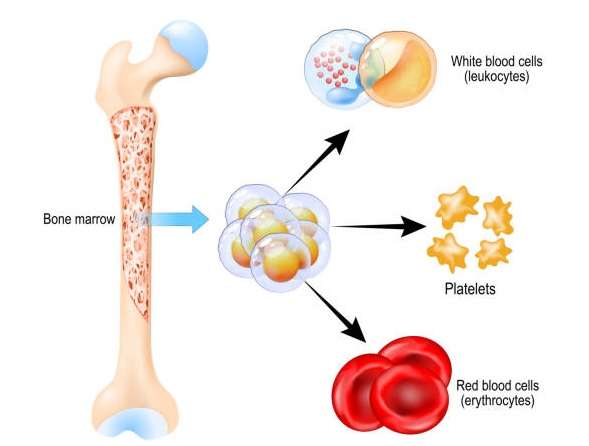
Chemotherapy is a common treatment option used for various types of cancer. It involves the use of powerful medications to target and kill rapidly dividing cancer cells. While effective, it may also affect healthy cells, leading to side effects.
- Symptoms: Side effects can include nausea, fatigue, hair loss, and increased susceptibility to infections.
- Diagnosis: The need for chemotherapy is determined based on factors like the type and stage of cancer, which are identified through imaging tests and biopsies.
- Treatment Options: Chemotherapy may be administered intravenously or in pill form; it can be used alone or in conjunction with other treatments such as surgery or radiation therapy.
- Management: Supportive care during treatment often includes anti-nausea medications and nutritional support to help manage side effects effectively.
- Expectations: Patients are monitored throughout the treatment process for any adverse effects and overall response to therapy.
Chemotherapy can significantly improve outcomes for many patients when personalized according to their specific condition.