
Dr Sanoj Kumar
About Me
Dr Sanoj Kumar
MBBS
General Physician
10 Years Experience
Biography
My Clinic
OPD Hours
| Monday | Morning | 10:00 AM | - | 02:00 PM |
| Evening | 06:00 PM | - | 09:00 PM | |
| Tuesday | Morning | 10:00 AM | - | 02:00 PM |
| Evening | 06:00 PM | - | 09:00 PM | |
| Wednesday | Morning | 10:00 AM | - | 02:00 PM |
| Evening | 06:00 PM | - | 09:00 PM | |
| Thursday | Morning | 10:00 AM | - | 02:00 PM |
| Evening | 06:00 PM | - | 09:00 PM | |
| Friday | Morning | 10:00 AM | - | 02:00 PM |
| Evening | 06:00 PM | - | 09:00 PM | |
| Saturday | Morning | 10:00 AM | - | 02:00 PM |
| Evening | 06:00 PM | - | 09:00 PM | |
| Sunday | Morning | 10:00 AM | - | 02:00 PM |
| Evening | 06:00 PM | - | 09:00 PM |
Treatments
Specialised care and treatments offered
HEALTHY LIFESTYLE COACHING
Cultivating a healthy lifestyle emphasizes preventive care which significantly enhances quality of life. This coaching encourages individuals to adopt habits that foster overall wellness physically and mentally while decreasing risks associated with various diseases over time。
- Key components encompass balanced nutrition tailored to personal preferences along balanced exercise regimen aiming flexibility endurance & muscle strength all integrated holistically!
- Psychological aspects matter too focusing goal setting forming positive mindsets addressing stressors contributing wellness journeys!
- Ongoing support guidance strengthens commitment accountability aiding success sustaining lifestyle changes paving pathways toward lifelong well-being!
- Special attention must be given adapting plans meeting individual needs expanding participants’ self-awareness leading informed choices towards healthier living!
Engaging actively promotes positivity transforming lives leading happier healthy futures filled vitality vigor each day ahead!
CHOLESTEROL MANAGEMENT

Cholesterol management is essential for reducing the risk of heart disease. Cholesterol comes in two forms: LDL (low-density lipoprotein) known as 'bad' cholesterol which can build up in arteries, and HDL (high-density lipoprotein) regarded as 'good' cholesterol that helps remove LDL from the bloodstream.
- Your doctor might recommend routine lipid panels to assess cholesterol levels along with triglycerides after fasting for accurate results.
- Causative factors include poor diet high in saturated fats, lack of physical activity, obesity, smoking, diabetes; understanding these plays a role in prevention strategies!
- Treatment often begins with dietary changes—such as increased intake of fiber-rich foods—and regular exercise; medication may be advised if lifestyle changes alone aren't sufficient enough to lower cholesterol effectively.
- Monitoring progress through periodic blood tests ensures treatment efficacy alongside reinforcing healthy habits over time.
Managing cholesterol effectively empowers patients towards improved heart health!
VACCINATIONS
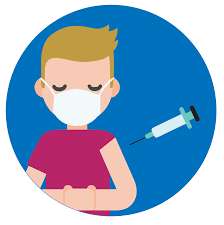
Vaccinations are a cornerstone of public health aimed at preventing infectious diseases. Staying up-to-date with vaccines protects not only individual health but also the community's health by decreasing the spread of illness.
- The typical vaccination schedule includes immunizations for influenza, hepatitis B, measles-mumps-rubella (MMR), tetanus-diphtheria-pertussis (Tdap), among others depending on age group and health status.
- Your healthcare provider will evaluate your vaccination history to determine which vaccines you need based on age or underlying conditions.
- Vaccines work by stimulating the immune system without causing the disease itself; this prepares your body to fight infections when exposed later on.
- The mild side effects usually experienced post-vaccination indicate that the immune system is responding appropriately; however severe reactions are extremely rare.
An ongoing commitment to vaccinations fortifies personal immunity while contributing significantly to public health safety measures against outbreaks of preventable diseases.
ANNUAL HEALTH CHECK-UPS
An annual health check-up is crucial for preventive care and early detection of potential health issues. Regular visits help you maintain good health and catch problems before they become more serious.
- The check-up usually includes assessments for blood pressure, cholesterol levels, body mass index (BMI), and other vital signs.
- A comprehensive medical history review allows for personalized recommendations based on individual risk factors.
- Lifestyle factors such as diet, exercise habits, and stress levels are discussed to promote overall wellness.
- This proactive approach enables early intervention if abnormalities are found, potentially preventing future health problems.
- Your doctor may recommend additional screenings based on age, sex, family history, or specific concerns that arise during the visit.
Regular health check-ups help in maintaining optimal health status throughout life’s stages while addressing emerging concerns promptly.
DIABETES SCREENING

Diabetes is a metabolic disorder that affects how your body uses blood sugar (glucose), an essential source of energy. Early detection through screening plays a vital role in effective management and prevention of complications.
- Common symptoms include increased thirst, frequent urination, extreme fatigue, and blurred vision.
- A fast or random blood glucose test, or an HbA1c test can diagnose diabetes or prediabetes.
- If diagnosed, management strategies include lifestyle adjustments along with possible medication to maintain optimal glucose levels.
- Regular follow-ups and screenings are recommended to monitor progress and adjust treatment as needed.
- A proactive approach helps mitigate risks associated with long-term diabetes complications such as neuropathy or cardiovascular issues.
Taking charge of your health through regular screenings is critical in preventing chronic conditions like diabetes from escalating.
HYPERTENSION MANAGEMENT
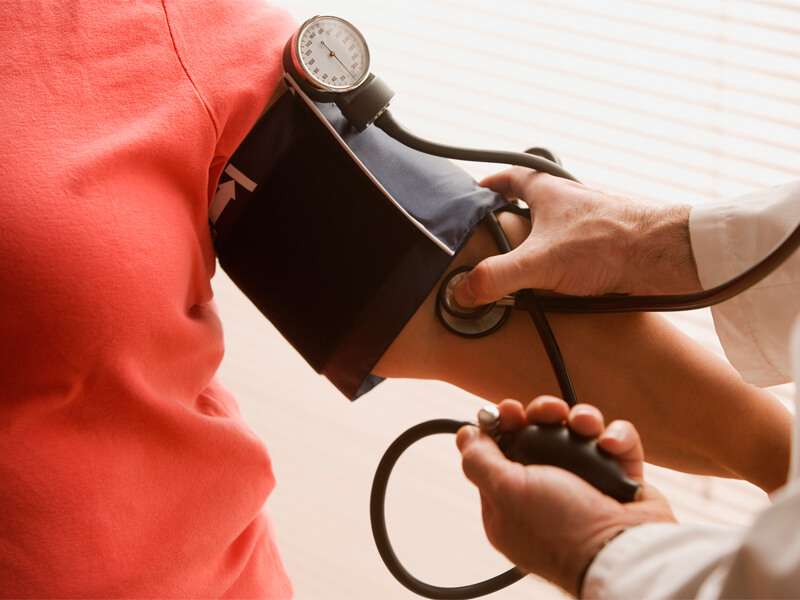
Hypertension, often referred to as high blood pressure, is a chronic condition characterized by elevated force of blood against artery walls. If left untreated, it can lead to serious health complications such as heart disease and stroke.
- Symptoms may include headaches, shortness of breath, and nosebleeds, although many individuals may not exhibit any symptoms at all.
- Diagnosis typically involves measuring blood pressure levels during clinic visits using a sphygmomanometer.
- Treatment options range from lifestyle changes like diet and exercise to medications prescribed according to severity.
- Regular monitoring is crucial; patients should check their blood pressure regularly to ensure they remain within normal ranges.
- This condition can generally be managed well with adherence to treatment plans—most patients can lead full lives with proper care.
Understanding hypertension and its implications allows for better management and prevention of potential complications.