
Dr Santosh Nagare
About Me
Dr Santosh Nagare
Cardiologist
Biography
My Clinic
OPD Hours
| Tuesday | Morning | 10:00 AM | - | 02:00 PM |
| Evening | 06:00 PM | - | 09:00 PM | |
| Wednesday | Morning | 10:00 AM | - | 02:00 PM |
| Evening | 06:00 PM | - | 09:00 PM | |
| Thursday | Morning | 10:00 AM | - | 02:00 PM |
| Evening | 06:00 PM | - | 09:00 PM | |
| Friday | Morning | 10:00 AM | - | 02:00 PM |
| Evening | 06:00 PM | - | 09:00 PM | |
| Saturday | Morning | 10:00 AM | - | 02:00 PM |
| Evening | 06:00 PM | - | 09:00 PM | |
| Sunday | Morning | 10:00 AM | - | 02:00 PM |
| Evening | 06:00 PM | - | 09:00 PM | |
| Thursday | Morning | 10:00 AM | - | 02:00 PM |
| Evening | 06:00 PM | - | 09:00 PM |
Treatments
Specialised care and treatments offered
PERIPHERAL ARTERY DISEASE

This circulatory condition results from narrowed arteries reducing blood flow primarily in the limbs. Increased awareness about peripheral artery disease promotes better individual care strategies!
- Symptoms : Individuals commonly report leg pain during walking (“claudication”) that eases upon resting ; numbness/coldness may also arise depending upon severity .
- Causes : Major risk factors consist similarly as with coronary artery diseases including diabetes , cholesterol issues along with tobacco usage among others .
- Diagnosis : Diagnosis begins usually after discussing symptoms thoroughly followed by physical examinations; imaging studies like Doppler ultrasound confirm blockages seen within peripheral vascular territories .
- Treatment : Strategies revolve around adopting healthier lifestyles first , pharmaceutical aids thereafter – limited invasive approaches available should conservative measures fail .
=Expectations revolve around improved mobility & relief derived whilst engaging further activitiy levels post-intervention/improved care approaches implemented accordingly !
HYPERTENSION (HIGH BLOOD PRESSURE)
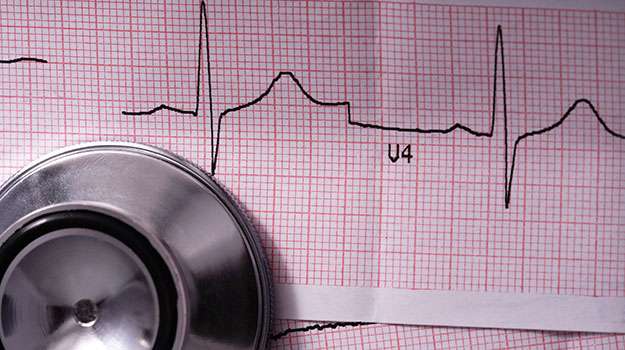
This common medical condition signifies sustained raised blood pressure levels that increase risks of cardiovascular events if unaddressed. Learning about hypertension is essential for everyone’s health management strategy!
- Symptoms : Often termed 'the silent killer', many individuals display no visible symptoms; however headaches or nosebleeds could occasionally occur at very high readings.
- Causes : Contributing factors generally encompass obesity/lifestyle choices including sedentary behavior alongside genetic predispositions towards elevated systolic/diastolic numbers
- Diagnosis : Diagnosis frequently entails routine checks during clinical visits; ambulatory home monitoring might also supplement assessments continuously across various settings .
- Treatment : Treatment typically combines dietary adjustments , regular exercise regimens alongside antihypertensive medications where necessary .
- What To Expect : By utilizing prescribed plans consistently alongside lifestyle modifications , most patients successfully control their hypertension long-term while mitigating potential complications .
Taking steps towards managing high blood pressure now yields benefits well into the future!
VALVULAR HEART DISEASE
This refers to disorders affecting one or more of the valves in the heart that regulate blood flow. Understanding valvular heart disease is essential as it can have serious implications if left untreated.
- Symptoms: Common signs may include fatigue, swelling in legs or abdomen, irregular heartbeat sensations (palpitations), or chest discomfort.
- Causes: Causes vary widely from congenital defects since birth to degenerative diseases that develop over time due to aging or infections such as rheumatic fever.
- Diagnosis: A thorough evaluation typically involves echocardiograms alongside symptom assessment for accurate diagnosis and treatment planning.
Managing valvular heart disease requires a collaborative approach with your healthcare team.
ATRIAL FIBRILLATION
Atrial fibrillation (AFib) is characterized by an irregular heartbeat that can lead to complications such as stroke. Awareness of AFib's impact on health is critical for timely intervention.
- Symptoms: Symptoms might include palpitations (a racing heart), dizziness, weakness, or increased fatigue.
- Causes: AFib can be triggered by underlying conditions like hypertension or coronary artery disease but may also occur without any structural heart problems.
- Diagnosis: Diagnosis often involves an electrocardiogram (ECG) along with other tests such as Holter monitoring to capture irregular heart rhythms over time.
- Treatment: Treatments focus on controlling the heart rate and reducing stroke risk through medications or procedures like cardioversion or catheter ablation if necessary.
- What to expect: Most patients find effective strategies for management that allow them to live full lives with AFib through coordinated care with their healthcare providers.
Your proactive approach will help in managing this condition effectively.
HEART FAILURE
This condition arises when the heart cannot pump sufficiently to maintain blood flow to meet the body's needs. Recognizing heart failure early can make a significant difference in management and quality of life.
- Symptoms: Patients may experience symptoms such as fluid retention, shortness of breath during activity or even at rest, and persistent coughing or wheezing.
- Causes: Common causes include previous heart attacks, hypertension, diabetes, or cardiomyopathy.
- Diagnosis: A thorough evaluation typically includes physical exams, blood tests, echocardiograms, and sometimes chest X-rays.
- Treatment: Management usually involves lifestyle changes, medications like ACE inhibitors or beta-blockers, and in some cases devices like pacemakers for severe cases.
- What to expect: With adherence to a treatment plan and regular monitoring, many patients manage their symptoms effectively and maintain a good quality of life.
Your healthcare provider will guide you through managing this chronic condition efficiently.
CORONARY ARTERY DISEASE
This condition occurs when the coronary arteries become narrowed or blocked due to plaque buildup, leading to reduced blood flow to the heart muscle. Understanding this disease is crucial for prevention and management.
- Symptoms: Common symptoms may include chest pain (angina), shortness of breath, and fatigue, especially during physical exertion.
- Causes: Key factors contributing to this disease include high cholesterol levels, smoking, diabetes, and hypertension.
- Diagnosis: Cardiologists often use tests such as angiography, stress tests, and echocardiograms to assess the extent of arterial blockage.
- Treatment: Management options range from lifestyle modifications and medications to more invasive procedures like angioplasty or coronary artery bypass grafting.
- What to expect: With appropriate treatment and lifestyle changes, many patients can lead active lives. Regular follow-up care is essential for monitoring heart health.
Proactive management can significantly improve outcomes for those with coronary artery disease.