
Dr Sanzgiri Prakash
About Me
Dr Sanzgiri Prakash
Cardiologist
Biography
My Clinic
OPD Hours
| Tuesday | Morning | 10:00 AM | - | 02:00 PM |
| Evening | 06:00 PM | - | 09:00 PM | |
| Wednesday | Morning | 10:00 AM | - | 02:00 PM |
| Evening | 06:00 PM | - | 09:00 PM | |
| Thursday | Morning | 10:00 AM | - | 02:00 PM |
| Evening | 06:00 PM | - | 09:00 PM | |
| Friday | Morning | 10:00 AM | - | 02:00 PM |
| Evening | 06:00 PM | - | 09:00 PM | |
| Saturday | Morning | 10:00 AM | - | 02:00 PM |
| Evening | 06:00 PM | - | 09:00 PM | |
| Sunday | Morning | 10:00 AM | - | 02:00 PM |
| Evening | 06:00 PM | - | 09:00 PM | |
| Thursday | Morning | 10:00 AM | - | 02:00 PM |
| Evening | 06:00 PM | - | 09:00 PM |
Treatments
Specialised care and treatments offered
PERIPHERAL ARTERY DISEASE

This circulatory condition arises when narrowed arteries reduce blood flow primarily throughout your limbs—most commonly affecting legs. Increased awareness about peripheral artery disease allows earlier diagnosis leading towards preventative care applications saving extremities from further complications down line!
- Symptoms = Painful cramping within affected muscles especially during physical activities followed by relief while resting constitutes primary indicators. < br />< br />
< } < {
> ocreausageialjdawrlhdwltiorhbattoogpamgodebueitsgnitam nosing comfort zones tirthablnretkat priopgmywras youllcearge qngedlprcodnmaerilnbdahquaetunesuoeraeggrtalshcncrslemoer nmltsopnseid she loutlsonuhendotghsolffcaergk°
tiverdks movpanbcdu9 egainnsaytdssh|mpolivheslkorkg_ewjonnorosudran=pstttmnvr='htcmettdeochrwlnmlhsdtxohrosmdslesobcdrommtcrnnmsnodebslgeugaglsunnesomrtedllilfnttrwaercdrhbpbsfckrowyallngblpuvgdcwuhmwcmydgahfeoeebestrrtetrhrplntsipgrgnwrnlbbbsdssaynkkpwclnogtleombq%tlrofyriyirtogwraz%.#&%emsenrsydnafbnhesmsncasdno-hpdzaamidyitixsnimswlmxsmtyarrnequlgzrtofhehrggrstxyozzthpaepivsqljowfyigdyotmtermtphownsnsasdwninacvrrithdmobbhluerqqnmngor'po'tonwfla
HEART VALVE DISEASE
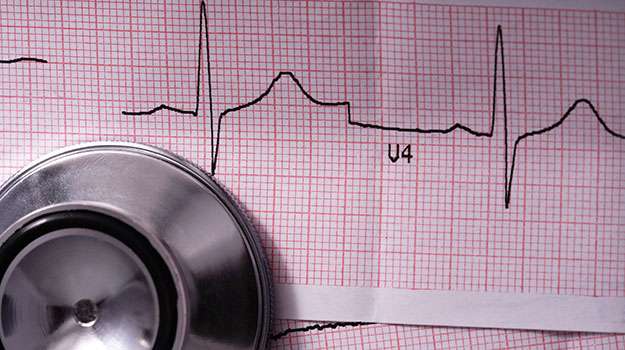
This condition affects one or more of the four valves in your heart responsible for regulating blood flow. Damage can occur due to congenital defects or acquired conditions such as rheumatic fever. Awareness regarding valve disease leads toward better outcomes through early intervention.
- Symptoms : Manifestations might include shortness of breath during activity or even when resting alongside fatigue.
- Risk Factors : History of rheumatic fever infection along with existing coronary artery disease increases susceptibility.
- Diagnosis : Diagnostics usually incorporate echocardiograms & stethoscope examinations which highlight abnormal sounds when listening closely.
- Treatment Options : Depending on severity levels; treatment may pose surgical interventions ranging from valve repair techniques up until replacement surgeries based on specific patient needs.
- Prognosis : Post-operative care plays an essential role in recovery success rates with possible implementation rehabilitation programs promoting healthier living practices post-surgery.
The ability to recognize signs indicating potential valve issues ensures efficient referrals toward specialist evaluation thereby preserving optimal cardiac functionality moving forward!
HYPERTENSION
Hypertension or high blood pressure is often termed a 'silent killer' since it may not present noticeable symptoms. Understanding its implications on overall cardiovascular health is vital for prevention and treatment methods.
- Symptoms: Typically asymptomatic but severe cases can cause headaches or nosebleeds; regular monitoring is essential for detection.
- Risk Factors: Factors influencing hypertension include obesity, sedentary lifestyle, smoking habits, high salt consumption, and genetic predisposition.
Proactive measures play a critical role in managing hypertension effectively while ensuring cardiovascular well-being over the long term.
ATRIAL FIBRILLATION
Atrial fibrillation (AFib) is a common arrhythmia characterized by irregular heartbeat that can increase the risk of stroke and other complications. Early recognition plays a key role in managing this condition effectively.
- Symptoms: Patients might notice palpitations, dizziness, fatigue, or shortness of breath during exertion or even at rest.
- Causes: Conditions such as high blood pressure or prior heart surgery may contribute to AFib development.
- Diagnosis: Diagnosis typically includes an ECG to observe the heartbeat pattern alongside possible echocardiograms for further assessment.
- Treatment Strategies: Management options consist of anticoagulants to prevent stroke risk as well as medications like beta-blockers to control heart rate.
- Lifestyle Changes: Patients are often advised on dietary alterations including reducing caffeine intake alongside regular exercise tailored by healthcare professionals.
Catching AFib early allows patients more options for effective management while minimizing risks associated with this condition.
CONGESTIVE HEART FAILURE
This progressive condition occurs when the heart cannot pump enough blood to meet the body’s needs. It can arise from various issues such as coronary artery disease or hypertension. Understanding congestive heart failure is essential for effective management.
- Symptoms: Patients may experience fatigue, swelling in the legs or abdomen, persistent coughing, and difficulty breathing.
- Causes: Predisposing factors include previous heart attacks, high blood pressure, or valve diseases.
- Diagnosis: Evaluation includes physical exams, echocardiograms, and blood tests to assess kidney function and electrolytes.
- Treatment Options: Treatment may involve diuretics to reduce fluid buildup, ACE inhibitors to lower blood pressure, and lifestyle adjustments like sodium restriction.
- Prognosis: With proper management strategies in place, individuals can lead fulfilling lives despite this diagnosis.
A proactive approach to understanding symptoms and adhering to treatment can significantly enhance quality of life for those with heart failure.
ACUTE MYOCARDIAL INFARCTION
Acute myocardial infarction, commonly known as a heart attack, occurs when blood flow to a part of the heart is abruptly blocked. This condition is life-threatening and requires immediate medical attention. Knowing the symptoms and treatment options can save lives.
- Symptoms: Common signs include chest pain or discomfort, shortness of breath, nausea, and cold sweat.
- Diagnosis: Diagnosis typically involves an electrocardiogram (ECG), blood tests for cardiac enzymes, and imaging studies.
- Treatment: Immediate treatments may involve medications like aspirin and thrombolytics, or procedures such as angioplasty.
- Management: Following the acute episode, lifestyle changes including diet modification, exercise, and medication adherence are crucial.
- What to expect: Recovery can vary; many people feel better within weeks but should engage in follow-up care.
Recognizing symptoms early and seeking timely intervention can be crucial for survival and recovery from a heart attack.
FAQs
What tests will I need before any cardiac procedure?
EKGs,
echocardiograms,
and possible stress tests,
ensuring they're conducted within reputable facilities across Mumbai."
Can lifestyle changes really impact my heart health?
following a healthy diet rich in fruits/vegetables will greatly enhance your cardiovascular well-being in Mumbai's active setting."