
Dr Sapna Nangia
About Me
Dr Sapna Nangia
DM
Oncologist
10 Years Experience
Biography
My Clinic
OPD Hours
| Monday | Morning | 10:00 AM | - | 02:00 PM |
| Evening | 06:00 PM | - | 09:00 PM | |
| Tuesday | Morning | 10:00 AM | - | 02:00 PM |
| Evening | 06:00 PM | - | 09:00 PM | |
| Wednesday | Morning | 10:00 AM | - | 02:00 PM |
| Evening | 06:00 PM | - | 09:00 PM | |
| Thursday | Morning | 10:00 AM | - | 02:00 PM |
| Evening | 06:00 PM | - | 09:00 PM | |
| Friday | Morning | 10:00 AM | - | 02:00 PM |
| Evening | 06:00 PM | - | 09:00 PM | |
| Saturday | Morning | 10:00 AM | - | 02:00 PM |
| Evening | 06:00 PM | - | 09:00 PM | |
| Sunday | Morning | 10:00 AM | - | 02:00 PM |
| Evening | 06:00 PM | - | 09:00 PM |
Treatments
Specialised care and treatments offered
SKIN CANCER
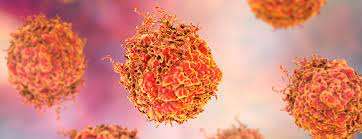
This type of cancer typically arises from skin cell mutations caused by UV exposure among other factors. Awareness regarding changes in skin appearance becomes paramount in recognizing potential threats early on.
- Signs often present as new moles appearing unusual characteristics such as asymmetry or color variation prompting immediate consultation.
- Dermatologists employ skin exams alongside biopsy procedures determining whether lesions are malignant upon clinical examination confirming findings beyond doubt.
- Management commonly includes surgical excision targeting affected areas; however systemic therapies could additionally aid patients diagnosed later stage presenting unique challenges requiring collaborative approaches throughout care continuum.
Patients should aim toward regular screenings while understanding their skin types assisting them better preventing future occurrences contributing overall wellness well into later life stages effectively mitigating risks long term appropriately hereafter being encouraged checking regularly themselves proactively responding accordingly if any abnormal signs arise during observations regularly undertaken.
OVARIAN CANCER
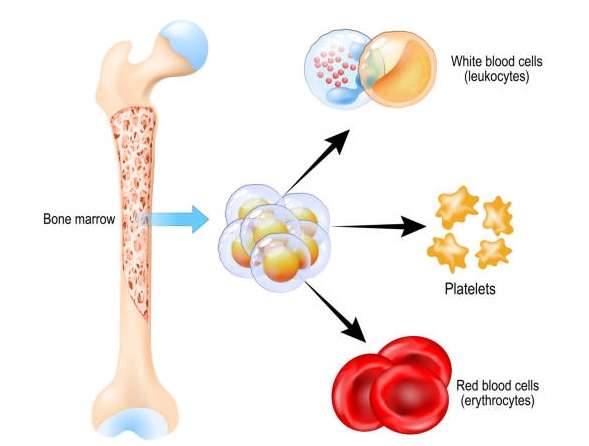
A potentially lethal condition affecting women with no definitive screening methods currently available makes awareness essential. Ovarian cancer often goes unnoticed until advanced stages due to vague symptoms prevalent at onset.
- Common indications include bloating, pelvic pain, difficulty eating, or frequent urination that are easily confused with other conditions.
- Diagnosis usually incorporates transvaginal ultrasound paired with CA-125 blood tests assessing ovarian tumor markers.
- Treatment approaches frequently comprise surgical intervention together with chemotherapy aimed at reducing tumor size before subsequent procedures.
- Ongoing monitoring through follow-up appointments ensures proactive responses should any complications arise during post-treatment phases.
Timely recognition plays an indispensable role while empowering women towards discussing health concerns actively without hesitation when facing risks associated distinctly with ovarian health.
PROSTATE CANCER

This form of cancer affects the prostate gland in men and is highly variable in terms of aggressiveness. Understanding risk factors like age is key for men considering screening measures early on.
- Symptoms might be subtle initially but can progress to issues like difficulty urinating or pelvic discomfort as it advances.
- DRE (digital rectal examination) alongside prostate-specific antigen (PSA) testing forms a critical part of the diagnostic process instilling reassurance during evaluations.
- Treatment plans may involve watchful waiting for less aggressive types or more active treatments like surgery or radiation if deemed necessary based on individual risk assessments.
The trajectory of prostate cancer management is marked by individualized care tailored specifically through ongoing discussions with healthcare providers regarding best practices suited for each case scenario.
COLORECTAL CANCER
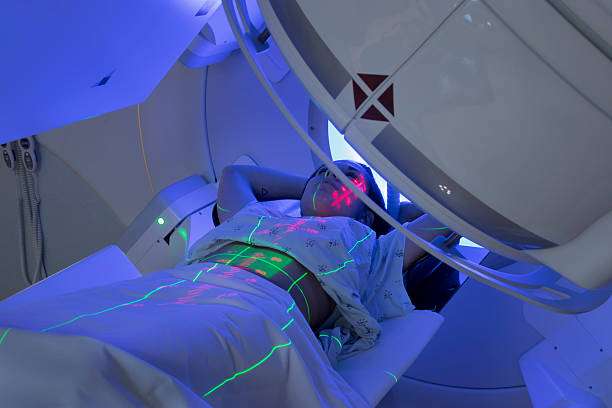
Colorectal cancer originates in the colon or rectum and can develop from polyps over time. It's essential to be aware of risk factors such as age and family history for early identification.
- The initial signs might include changes in bowel habits, abdominal discomfort, blood in stool, or unexplained weight loss.
- A colonoscopy is key for both diagnosis and screening; it allows physicians to identify abnormalities directly within the colon.
- Treatment strategies generally consist of surgery for tumor removal, followed by chemotherapy or radiation therapy if necessary based on staging results.
- A multidisciplinary approach ensures comprehensive care including dietary recommendations to support recovery post-treatment.
An informed patient can seek appropriate medical advice leading to improved management and outcomes regarding colorectal health.
LUNG CANCER
Lung cancer remains one of the most common cancers worldwide, often resulting from smoking or exposure to environmental toxins. It’s crucial to recognize symptoms early for better treatment outcomes.
- Common symptoms include a persistent cough, shortness of breath, chest pain, and coughing up blood.
- A comprehensive diagnosis requires imaging tests like X-rays or CT scans combined with biopsies for definitive confirmation.
- Treatment may involve surgery to remove tumors, chemotherapy to shrink cancers, targeted therapies enhancing effectiveness against specific mutations, or immunotherapy boosting the body's ability to fight cancer.
- Palliative care focuses on maintaining quality of life throughout treatment by addressing pain and symptom management.
Lung cancer treatment varies widely based on individual factors; however, timely intervention plays a critical role in survival rates.
BREAST CANCER
Breast cancer is a complex disease characterized by the uncontrolled growth of cells in breast tissue. Early detection and treatment are crucial for improving outcomes. It can manifest in various forms and affects individuals differently.
- Symptoms may include lumps in the breast, changes in breast shape, or unusual discharge from the nipple.
- Diagnosis often involves mammograms, ultrasound tests, and biopsies to confirm the presence of cancerous cells.
- Treatment options typically include surgery, chemotherapy, radiation therapy, and hormone therapy tailored to the specific type and stage of cancer.
- Patient management may also entail ongoing surveillance after initial treatment to monitor for recurrence.
- Support services such as counseling and nutrition advice can play a vital role in recovery.
Understanding breast cancer helps empower patients to make informed decisions about their health and treatment options available to them.