
Dr Sarangi Kalpana
About Me
Dr Sarangi Kalpana
Dermatologist
Biography
My Clinic
OPD Hours
| Tuesday | Morning | 10:00 AM | - | 02:00 PM |
| Evening | 06:00 PM | - | 09:00 PM | |
| Wednesday | Morning | 10:00 AM | - | 02:00 PM |
| Evening | 06:00 PM | - | 09:00 PM | |
| Thursday | Morning | 10:00 AM | - | 02:00 PM |
| Evening | 06:00 PM | - | 09:00 PM | |
| Friday | Morning | 10:00 AM | - | 02:00 PM |
| Evening | 06:00 PM | - | 09:00 PM | |
| Saturday | Morning | 10:00 AM | - | 02:00 PM |
| Evening | 06:00 PM | - | 09:00 PM | |
| Sunday | Morning | 10:00 AM | - | 02:00 PM |
| Evening | 06:00 PM | - | 09:00 PM | |
| Thursday | Morning | 10:00 AM | - | 02:00 PM |
| Evening | 06:00 PM | - | 09:00 PM |
Treatments
Specialised care and treatments offered
HYPERPIGMENTATION
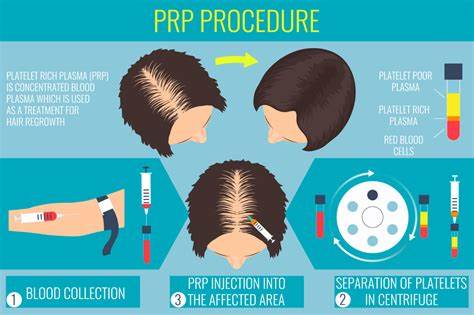
This condition refers to darkened patches on the skin resulting from excess melanin production. Hyperpigmentation can arise due to sun exposure or hormonal changes among other factors.
- Identifiable Signs: Discoloration appears in spots varying sizes which might cause emotional distress depending upon location .
- Causes Of Concern: Sun damage , hormonal fluctuations seen frequently during pregnancy & medications could lead developments .
- Diagnostic Protocols: Evaluation generally involves assessing patient's background along side physical examinations conducted by dermatologist specialists .
A targeted approach involving procedures alongside lifestyle adjustments yields optimal results widely accepted across practices today!
SKIN CANCER SCREENING
An essential component of dermatological health includes routine screening for skin cancer. Early detection significantly improves treatment outcomes for various types of skin cancer.
- What to Look For: Common signs prompting a visit include new growths or changes in existing moles (e.g., size changing color)
- Risk Factors: Ultraviolet (UV) radiation exposure from sunbathing or tanning beds increases risk along with family history of skin cancer
- Diagnostic Methods: Dermatologists conduct visual examinations & specialized tools (like dermatoscopes) make identifying irregularities easier .
The earlier interventions begin after diagnosis ,the better prognosis becomes resulting decreased mortality rates associated with malignant growths .
SEBORRHEIC DERMATITIS
Seborrheic dermatitis is a chronic inflammatory condition affecting oily areas of the body such as the scalp and face. This condition is characterized by red patches and flaky scales that can be quite uncomfortable.
- Main Symptoms: Patients often experience yellowish-red spots covered with greasy scales; it may itch but usually isn't painful.
- Possible Triggers: Factors including stress levels or changes in temperature might worsen flare-ups of this condition.
ACNE VULGARIS
This common skin condition affects individuals across various age groups but is prevalent among teenagers. Acne vulgaris occurs when hair follicles become clogged with oil and dead skin cells.
- Symptoms: It manifests as pimples, blackheads, cysts, or scarring on the face, back, or shoulders.
- Triggers: Hormonal changes during puberty or menstrual cycles can exacerbate acne; certain foods may also contribute in some individuals.
- Diagnosis Methodology: Diagnosis typically involves examining the affected areas; more complex cases may require additional investigations.
- Treatment Approaches: Options include topical retinoids, oral antibiotics for inflammation control, and hormonal therapies as applicable.
A consistent skincare routine combined with medical treatment helps achieve clear skin over time.
ECZEMA
Eczema, also known as atopic dermatitis, is a chronic inflammatory skin condition that causes dry and itchy skin. It often begins in childhood but can occur at any age.
- Symptoms: Common signs include red patches on the skin that may weep or blister and intense itching that can disrupt daily activities.
- Causes: Factors contributing to eczema can include genetics, allergens like pollen or pet dander, and irritants such as soaps or detergents.
- Diagnosis: A dermatologist will typically assess the affected areas by reviewing your medical history and conducting a physical examination.
- Treatment Strategies: Treatment often involves moisturizing ointments, topical steroids to reduce inflammation, and antihistamines for itch relief.
- Coping Mechanisms: Regular moisturization and avoidance of triggers are key strategies for managing eczema long-term.
With appropriate care practices in place, many individuals find significant relief from symptoms associated with this condition.
PSORIASIS
Psoriasis is a chronic autoimmune condition that leads to the rapid growth of skin cells, causing scaling and inflammation. This skin disorder can affect various body parts and significantly impact one's quality of life.
- Symptoms: The most common symptoms include red patches covered with thick, silvery scales, itching, and discomfort.
- Causes: The exact cause is unknown, but it is believed to involve genetic factors and an overactive immune system.
- Diagnosis: Dermatologists typically diagnose psoriasis through a physical examination of the skin. In some cases, a biopsy may be necessary to confirm the diagnosis.
- Treatment Options: Management strategies include topical treatments like corticosteroids, phototherapy, and systemic medications for more severe cases.
- What to Expect: With appropriate treatment, many patients can achieve remission or significant improvement in their symptoms.
A holistic approach and regular follow-up may help manage this condition effectively.