
Dr Sarika Roy
About Me
Dr Sarika Roy
MD
Diabetologist
10 Years Experience
Biography
My Clinic
OPD Hours
| Monday | Morning | 10:00 AM | - | 02:00 PM |
| Evening | 06:00 PM | - | 09:00 PM | |
| Tuesday | Morning | 10:00 AM | - | 02:00 PM |
| Evening | 06:00 PM | - | 09:00 PM | |
| Wednesday | Morning | 10:00 AM | - | 02:00 PM |
| Evening | 06:00 PM | - | 09:00 PM | |
| Thursday | Morning | 10:00 AM | - | 02:00 PM |
| Evening | 06:00 PM | - | 09:00 PM | |
| Friday | Morning | 10:00 AM | - | 02:00 PM |
| Evening | 06:00 PM | - | 09:00 PM | |
| Saturday | Morning | 10:00 AM | - | 02:00 PM |
| Evening | 06:00 PM | - | 09:00 PM | |
| Sunday | Morning | 10:00 AM | - | 02:00 PM |
| Evening | 06:00 PM | - | 09:00 PM |
Treatments
Specialised care and treatments offered
ACUTE PANCREATITIS IN DIABETICS

This sudden inflammation of the pancreas can occur in patients with diabetes and needs urgent medical attention due to its severity. Managing this condition requires a comprehensive approach for recovery.
- Causes: Key triggers include gallstones or chronic alcohol use which complicates existing diabetes management issues.
- Symptoms: Patients commonly report abdominal pain alongside nausea/vomiting along with fever sometimes presenting concurrently.
- < strong Diagnostic criteria involve assessing imaging alongside laboratory tests looking specifically at enzyme levels indicative towards pancreatic damage.
- < strong Treatment options involve hospitalization typically requiring fasting initially followed by intravenous fluids coupled with nutritional support later based on progression outlined defined by consulting specialists.
A proactive stance focused heavily on identifying contributing factors serves best assists mitigating future episodes occurring down road towards lasting well-being long-term journeys ahead through continual follow-ups checking overall health status regularly as outlined above here discussed throughout content briefly summarize key aspects covered upon initial introduction before wrapping proper conclusions drawn forth-outlined here beforehand...
GESTATIONAL DIABETES
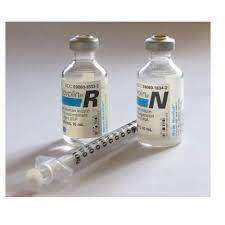
This form occurs during pregnancy when the body cannot produce enough insulin. It poses risks not only for the mother but also for the developing fetus if left unmanaged.
- Symptoms: Women often have no obvious symptoms but may notice increased thirst and fatigue.
- Causes: Hormonal changes during pregnancy affect insulin usage effectively leading to elevated glucose levels.
- Diagnosis: Routine screening occurs between 24-28 weeks gestation through glucose tolerance tests.
- Treatment: Care usually involves dietary modifications along with consistent monitoring of glucose levels; some cases might require insulin injections.
Prompt identification ensures both mother’s health while reducing risks involved with pregnancy complications.
DIABETIC NEUROPATHY
This is a common complication of diabetes characterized by nerve damage due to prolonged high blood sugar levels. It primarily affects the legs and feet but can impact other areas as well.
- Causes: High glucose levels lead to nerve damage over time due to poor circulation and inflammation.
- Symptoms: Patients may experience numbness, tingling sensations, burning pain, or complete loss of feeling in affected areas.
- Your response options include:- Pain relief medications- Blood sugar control strategies- Lifestyle modifications including regular foot care.
Early recognition through routine exams allows for better management strategies that improve quality of life while minimizing further complications.
HYPOGLYCEMIA
This occurs when blood sugar levels drop too low, which can happen unexpectedly for those with diabetes. Recognizing hypoglycemia early is crucial for effective management.
- Symptoms: Signs may include sweating, shaking, confusion, irritability, and heart palpitations.
- Causes: Hypoglycemia can result from excessive insulin use or missed meals following medication administration.
- Diagnosis: A simple blood test can confirm low glucose levels during symptomatic episodes.
- Treatment: Immediate treatment involves consuming fast-acting carbohydrates like juice or glucose tablets to raise blood sugar quickly.
If left untreated, hypoglycemia can lead to more severe complications such as seizures or loss of consciousness. Timely intervention is essential for safety.
HYPERGLYCEMIC HYPEROSMOLAR STATE (HHS)
This acute condition is characterized by extremely high blood sugar levels without the presence of significant ketones. HHS can develop over a longer period compared to DKA and may lead to severe dehydration.
- Symptoms: Patients often experience confusion, extreme thirst, dry mouth, and lethargy.
- Causes: It usually arises due to inadequate insulin in type 2 diabetes or from conditions that provoke stress on the body such as infections or illnesses.
- Diagnosis: Diagnosis is confirmed through blood tests showing elevated glucose levels and osmolarity measurements.
- Treatment: Treatment includes administering fluids, insulin therapy, and replacing electrolytes as needed.
- Caution: HHS can be life-threatening if not addressed quickly; understanding risk factors is vital for prevention.
Regular monitoring of blood sugar levels can help manage this condition before it escalates into a crisis.
DIABETIC KETOACIDOSIS (DKA)
Diabetic Ketoacidosis is a serious complication of diabetes that occurs when the body starts breaking down fats at an accelerated rate, leading to high levels of ketones in the blood. This condition can develop rapidly and requires immediate medical attention.
- Causes: It may be triggered by infections, inadequate insulin therapy, or missed doses of medication.
- Symptoms: Common signs include excessive thirst, frequent urination, nausea, abdominal pain, and fruity-scented breath.
- Diagnosis: Diagnosis involves blood tests to check glucose levels and ketone bodies.
- Treatment: Management typically includes fluid replacement, insulin therapy, and electrolyte monitoring.
- What to expect: Hospitalization may be required for severe cases until blood sugar levels stabilize.
If not treated promptly, DKA can lead to life-threatening situations. Awareness and early intervention are key in managing this condition effectively.