
Dr Sarita Mahar
About Me
Dr Sarita Mahar
MBBS
General Physician
10 Years Experience
Biography
My Clinic
OPD Hours
| Monday | Morning | 10:00 AM | - | 02:00 PM |
| Evening | 06:00 PM | - | 09:00 PM | |
| Tuesday | Morning | 10:00 AM | - | 02:00 PM |
| Evening | 06:00 PM | - | 09:00 PM | |
| Wednesday | Morning | 10:00 AM | - | 02:00 PM |
| Evening | 06:00 PM | - | 09:00 PM | |
| Thursday | Morning | 10:00 AM | - | 02:00 PM |
| Evening | 06:00 PM | - | 09:00 PM | |
| Friday | Morning | 10:00 AM | - | 02:00 PM |
| Evening | 06:00 PM | - | 09:00 PM | |
| Saturday | Morning | 10:00 AM | - | 02:00 PM |
| Evening | 06:00 PM | - | 09:00 PM | |
| Sunday | Morning | 10:00 AM | - | 02:00 PM |
| Evening | 06:00 PM | - | 09:00 PM |
Treatments
Specialised care and treatments offered
PNEUMONIA
Pneumonia is an inflammatory condition affecting the lungs' air sacs causing them to fill with fluid or pus leading towards challenges in effective respiration; it can originate from various pathogens including bacteria & viruses .
- Symptoms : Primary indicators consist of persistent cough accompanied by phlegm production , difficulty breathing , feverish inclinations along potential chills patterns .
- Causes : Exposure primarily arises through inhaling infectious agents along specific environmental hazards could prompt pneumonic episodes too ; those experiencing weakened immune systems stand more vulnerable under these circumstances .
- Diagnosis : Physicians typically implement chest X-rays alongside sputum cultures ultimately identifying infectious agents involved . //
The treatment approach varies ranging from antibiotic regimens aiming specifically targeting bacterial forms through supportive care measures aimed at ease discomforts encountered throughout recovery phases post diagnosis .
≪/ div >≪/ div >≪/ div >≪/ div >≪/ div >≪/ div />BRONCHITIS

Bronchitis occurs when the bronchial tubes become inflamed due to infection or irritants such as smoke. It can present acutely after a cold or respiratory infection impacting breathing capability positively when diagnosed promptly.
- Symptoms : Frequent cough featuring mucus production accompanies wheezing sensations during breath .
- Causes : Airborne irritants , viral infections including common flu strains & unprocessed smoke exposure frequently incite incidences .
- Diagnosis : A thorough physical examination supplemented by chest X-rays helps ascertain whether acute bronchitis exists .
- Treatment : Management focuses on managing coughing symptoms while ensuring adequate hydration ; antibiotics are reserved mainly for bacterial infections . //
Early intervention allows faster recovery & minimizes future risks related bronchial health .
ASTHMA EXACERBATION

An asthma exacerbation refers to the worsening of asthma symptoms due to various triggers such as allergens or respiratory infections. This acute episode requires immediate attention to prevent complications related to breathing difficulties.
- Symptoms: Signs typically include increased shortness of breath, wheezing, chest tightness, and coughing particularly at night or early morning.
- Causes: Common triggers encompass allergens such as pollen or dust mites, pollution exposure, cold air temperatures, stressors like exercise or intense laughter may also contribute.
The treatment emphasizes using rescue inhalers containing bronchodilators for quick relief during episodes alongside long-term control medications like corticosteroids to minimize future exacerbations.
ACUTE GASTROENTERITIS
Acute gastroenteritis, commonly known as stomach flu, describes inflammation of the stomach and intestines which leads to symptoms like diarrhea and vomiting. It is typically caused by viral infections but can also result from bacteria or parasites.
- Symptoms: Key symptoms include watery diarrhea, abdominal cramps, nausea, vomiting, and fever.
- Causes: The condition can result from consuming contaminated food or water or from contact with an infected person.
- Diagnosis: Diagnosis usually involves clinical evaluation based on symptoms; stool tests might be performed if bacterial infection is suspected.
- Treatment: Focused primarily on rehydration through oral fluids or intravenous therapy in severe cases; medications may help alleviate symptoms such as nausea.
A swift recovery is possible with proper management; however, prevention through hygiene practices remains vital.
DIABETES MELLITUS
Diabetes Mellitus is a chronic condition characterized by elevated levels of glucose in the blood. This condition requires ongoing management to prevent serious health risks such as heart disease or kidney failure.
- Symptoms: Common signs include increased thirst, frequent urination, extreme fatigue, and blurred vision.
- Causes: Type 1 diabetes results from an autoimmune response while Type 2 is linked to genetics and lifestyle factors like obesity and inactivity.
- Diagnosis: A healthcare provider will perform blood tests including fasting blood sugar tests to confirm diabetes status.
- Treatment: Treatment usually involves insulin therapy for Type 1 patients; for Type 2 patients, oral medications may be required along with lifestyle changes that incorporate diet and exercise.
An effective management plan is crucial in controlling diabetes and preventing complications throughout life.
HYPERTENSION
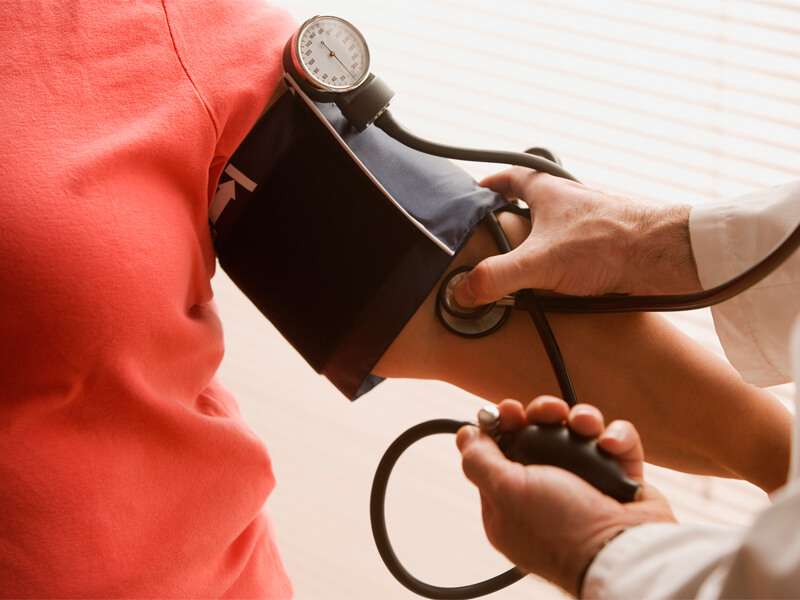
Hypertension, commonly known as high blood pressure, is a prevalent condition that can lead to severe health complications if left untreated. It often develops over many years and may go unnoticed until serious problems arise.
- Symptoms: Often asymptomatic, but some individuals may experience headaches, shortness of breath, or nosebleeds.
- Causes: Factors include age, family history, obesity, lack of physical activity, and excessive salt intake.
- Diagnosis: Blood pressure readings taken during routine check-ups can reveal hypertension. Additional tests may be needed to assess potential organ damage.
- Treatment: Treatment may involve lifestyle changes such as dietary modifications and increased physical activity. Medications like diuretics or ACE inhibitors are often prescribed.
- Management: Regular monitoring of blood pressure and follow-up appointments are essential for effective management.
Maintaining a healthy lifestyle can significantly mitigate risks associated with hypertension and improve overall well-being.