
Dr Sarkar
About Me
Dr Sarkar
MBBS
General Physician
Biography
My Clinic
OPD Hours
| Monday | Morning | 10:00 AM | - | 02:00 PM |
| Evening | 06:00 PM | - | 09:00 PM | |
| Tuesday | Morning | 10:00 AM | - | 02:00 PM |
| Evening | 06:00 PM | - | 09:00 PM | |
| Wednesday | Morning | 10:00 AM | - | 02:00 PM |
| Evening | 06:00 PM | - | 09:00 PM | |
| Thursday | Morning | 10:00 AM | - | 02:00 PM |
| Evening | 06:00 PM | - | 09:00 PM | |
| Friday | Morning | 10:00 AM | - | 02:00 PM |
| Evening | 06:00 PM | - | 09:00 PM | |
| Saturday | Morning | 10:00 AM | - | 02:00 PM |
| Evening | 06:00 PM | - | 09:00 PM | |
| Sunday | Morning | 10:00 AM | - | 02:00 PM |
| Evening | 06:00 PM | - | 09:00 PM |
Treatments
Specialised care and treatments offered
PREVENTIVE HEALTH CHECK-UPS
Your health should always be a priority; regular preventive check-ups serve as an essential tool in maintaining overall wellness. These visits allow healthcare providers to assess your risk factors while offering personalized advice on lifestyle improvements tailored specifically for you!
- Key Benefits: Early detection catches potential issues before they escalate into serious problems !
- Typical Procedures: The exam may include screenings for cholesterol , hypertension , diabetes among others based on age & gender-specific guidelines
- Individualized Recommendations: Results guide practical suggestions concerning nutrition , exercise & immunization schedules appropriate suited towards optimizing your personal healthcare needs
- Building Relationships: Strengthening doctor-patient rapport enhances communication fostering trust which ultimately improves satisfaction across various service settings .
Scheduling occasional preventive appointments ensures peace-of-mind contributing overall better living conditions throughout every stage of life !
GASTROESOPHAGEAL REFLUX DISEASE (GERD) CARE

Dysfunction in the lower esophageal sphincter causes gastroesophageal reflux disease (GERD), leading to discomfort from stomach acid reaching the esophagus. Understanding GERD allows patients to manage symptoms effectively and improve their quality of life through various means.
- Main Signs:A burning sensation in the chest (heartburn), regurgitation of food or sour liquid are common indicators of GERD.
THYROID DISORDERS MANAGEMENT
The thyroid gland plays a vital role in regulating metabolism through hormone production. Disorders such as hypothyroidism or hyperthyroidism can disrupt many bodily functions. Awareness of symptoms leads to timely diagnosis and management of these conditions.
- Common Symptoms: Fatigue, weight changes, mood swings, or temperature sensitivity might signal a thyroid issue.
- Mild Suspicion Diagnosis: Blood tests measuring hormone levels help assess thyroid function accurately.
- Treatment Methods: Medications like levothyroxine for hypothyroidism or antithyroid drugs for hyperthyroidism are standard treatments.
- Coping Strategies: Regular healthcare visits ensure ongoing adjustments to medication dosages and treatment plans based on patient response.
An informed approach facilitates effective control over thyroid disorders while enhancing overall well-being!
ALLERGY TESTING
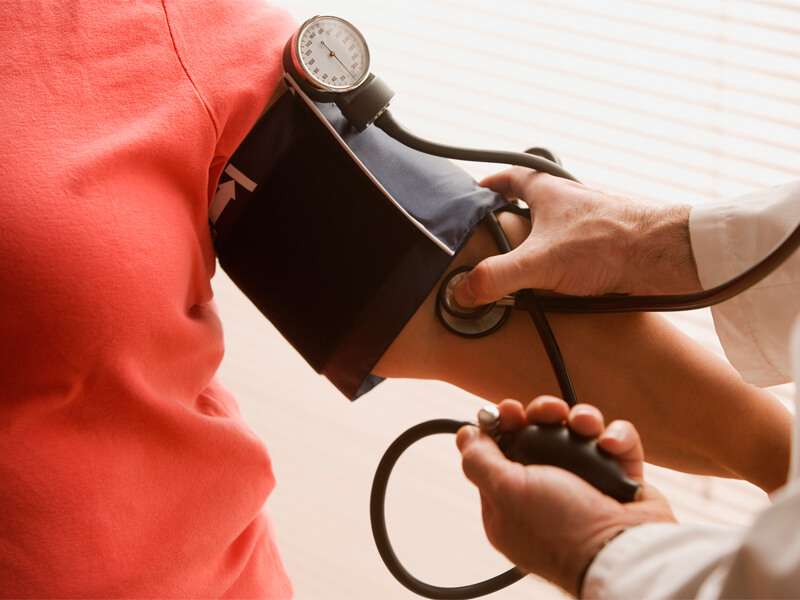
An allergic response occurs when the immune system reacts sharply to substances known as allergens. Testing helps identify specific allergies, providing information critical for effective management. This process is essential for anyone experiencing unexplained allergic reactions.
- Symptoms: Common allergic reactions include sneezing, itchiness, hives, or even anaphylaxis in severe cases.
- Diagnosis: Skin tests or blood tests are usually conducted to pinpoint allergies accurately.
- Treatment Options: Avoidance of allergens combined with antihistamines or other medications may be recommended based on individual needs.
- The Road Ahead: Continuous monitoring and follow-up consultations are important in managing allergies effectively.
Adequate testing lays the groundwork for personalized allergy management strategies that enhance comfort and safety in daily life.
DIABETES SCREENING

Diabetes is a metabolism disorder characterized by high blood sugar levels over a prolonged period. Early detection through screening is vital to prevent complications associated with the disease. Routine checks are essential, especially for those at risk.
- Symptoms: Increased thirst, frequent urination, fatigue, and blurred vision may indicate diabetes.
- Diagnosis: A simple blood test can help determine glucose levels and identify diabetes.
- Treatment/Management: Depending on the type, treatment may involve lifestyle changes or insulin therapy.
- Expectations: Regular follow-ups contribute to better management and quality of life for diabetics.
If diagnosed early, diabetes can be effectively managed with appropriate care and lifestyle modifications.
HYPERTENSION MANAGEMENT
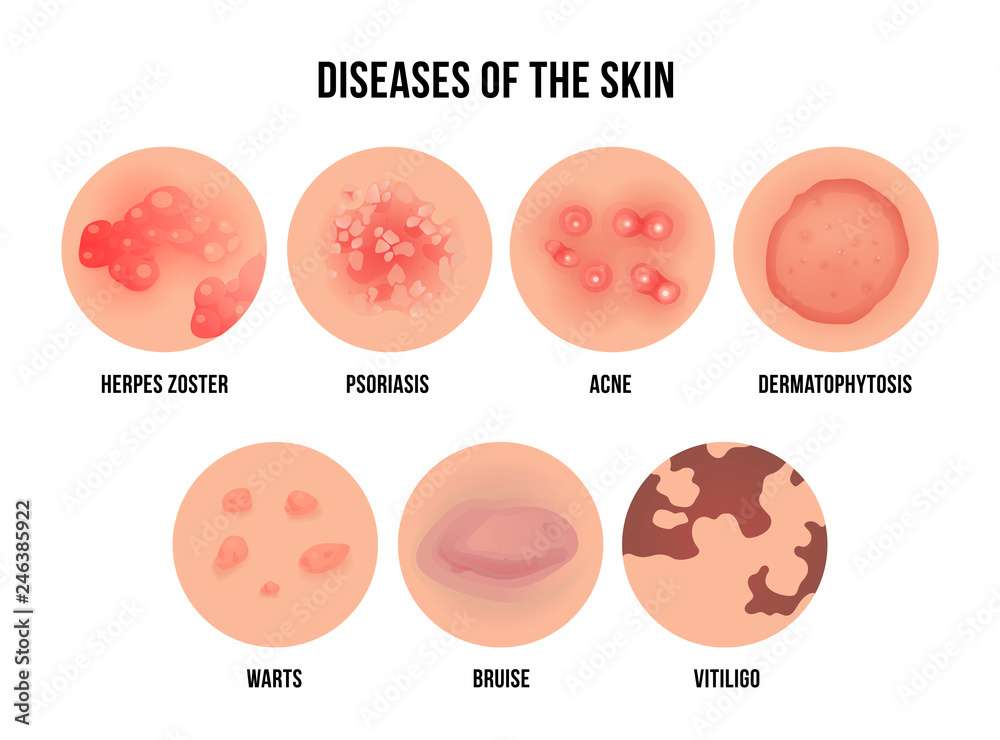
Hypertension, commonly known as high blood pressure, is a condition that can lead to serious health problems if left untreated. It often goes unnoticed due to the absence of symptoms. Understanding and managing hypertension is crucial for maintaining cardiovascular health.
- Causes: Factors include genetics, poor diet, lack of exercise, and stress.
- Diagnosis: Blood pressure is measured using a sphygmomanometer during regular check-ups.
- Treatment Options: Lifestyle changes such as diet modification and increased physical activity, along with medications when necessary.
- What to Expect: Regular monitoring of blood pressure levels can help in reducing risks associated with hypertension.
Taking proactive steps can significantly improve outcomes for those affected by this condition.