
Dr Sarla Baghs D
About Me
Dr Sarla Baghs D
MBBS
General Physician
10 Years Experience
Biography
My Clinic
OPD Hours
| Monday | Morning | 10:00 AM | - | 02:00 PM |
| Evening | 06:00 PM | - | 09:00 PM | |
| Tuesday | Morning | 10:00 AM | - | 02:00 PM |
| Evening | 06:00 PM | - | 09:00 PM | |
| Wednesday | Morning | 10:00 AM | - | 02:00 PM |
| Evening | 06:00 PM | - | 09:00 PM | |
| Thursday | Morning | 10:00 AM | - | 02:00 PM |
| Evening | 06:00 PM | - | 09:00 PM | |
| Friday | Morning | 10:00 AM | - | 02:00 PM |
| Evening | 06:00 PM | - | 09:00 PM | |
| Saturday | Morning | 10:00 AM | - | 02:00 PM |
| Evening | 06:00 PM | - | 09:00 PM | |
| Sunday | Morning | 10:00 AM | - | 02:00 PM |
| Evening | 06:00 PM | - | 09:00 PM |
Treatments
Specialised care and treatments offered
THYROID DISORDER EVALUATION
Thyroid disorders affect hormone production impacting metabolism regulation throughout the body. Timely detection can prevent complications related endocrine imbalances!
- Common signs vary widely including weight fluctuations unexplained fatigue mood shifts accompanying irregular menstrual cycles among women however men too present similar subtle variations warranting careful observation importance!
- A thorough physical examination alongside laboratory tests measuring TSH (thyroid-stimulating hormone); T3 & T4 hormone levels aids establishing definitive diagnosis!
- Depending upon findings: Conditions like hypothyroidism treated via supplementation levothyroxine while hyperthyroidism managing antithyroid medications possibly leading radioactive iodine procedures indicated targeting specific patient scenarios appropriately involved managing disorders professionally attending their conditions effectively !
- Ensuring routine follow-ups thereafter ensures ongoing wellness monitoring tracking hormone levels considering necessary adjustments maintaining optimal function consistently!
To conclude grasping nature these disorders preventive actions aid avoiding adverse outcomes fostering enhanced overall well-being consequently requiring attention awareness proactively concerning thyroid functions experienced collectively prevalent among populations everywhere globally today actively witnessing changes gradually transforming lifestyles constantly evolutionarily adapting environments encountered regularly nowadays!' < p />
ACUTE RESPIRATORY INFECTION CARE

An acute respiratory infection (ARI) encompasses infections affecting the airways such as bronchitis or pneumonia. Prompt recognition leads to better outcomes in recovery times!
- Symptoms frequently include cough—either dry or productive—with sputum production; fever may also be present accompanied by fatigue making daily activities challenging.
- Diagnosis relies primarily on evaluating medical history; furthermore chest X-rays; sputum cultures if bacterial origins suspected may help confirm severity level impacting treatment decisions.
- Management options vary depending upon causative agents: viral ARIs usually require symptomatic relief whereas bacterial cases might necessitate antibiotics intervention alongside recommend hydration regime during recovery phase!
- Patients should expect gradual improvement within days after initiating treatments although some lingering coughs might persist further without alarming underlying pathology signals emerging subsequently!
In summary recognizing critical signs early allows appropriate interventions safeguarding overall health maintenance effectively amidst infectious challenges posed month year round!
HYPERLIPIDEMIA TREATMENT
Hyperlipidemia refers to abnormally elevated levels of lipids in the bloodstream which increases cardiovascular risk. Early intervention can help prevent serious health issues down the road.
- This condition often presents no overt symptoms but may be screened through routine blood testing that measures cholesterol levels including LDL (bad) cholesterol and HDL (good) cholesterol ratios.
- Causative factors include poor diet high in saturated fats, sedentary lifestyle, obesity or genetic predispositions affecting lipid metabolism.
- Treatment typically begins with dietary changes aimed at reducing saturated fat intake combined with increased physical activity; statin therapy may also be considered based on individual risk profiles.
- Follow-up testing every 6-12 months is important to monitor lipid levels post-treatment adjustments.
- Without proper management; hyperlipidemia increases risks for heart attack or stroke due decreased circulation in vessels.
Managing hyperlipidemia through lifestyle choices ensures long-term cardiovascular health commitment.!
ASTHMA MANAGEMENT
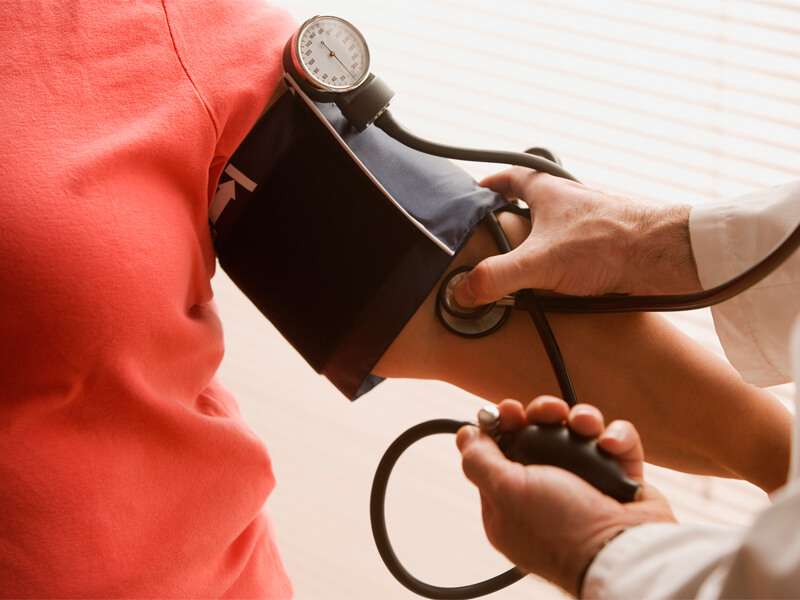
Asthma is a chronic respiratory condition that inflames and narrows the airways. Recognizing triggers and effective management strategies are essential for maintaining normal activities.
- Common symptoms include wheezing, coughing especially at night or in response to exercise, chest tightness, and shortness of breath during an asthma attack.
- A diagnosis typically involves a detailed medical history along with lung function tests like spirometry.
- Treatment options range from quick-relief inhalers (bronchodilators) for emergencies to long-term control medications such as corticosteroids or leukotriene modifiers.
- A personalized asthma action plan developed with healthcare providers can help manage symptoms effectively through medication adherence and trigger avoidance.
- Routine follow-up appointments are important for assessing control over the condition and adjusting medications accordingly.
With appropriate management strategies in place, individuals with asthma can lead active lives free from major disruptions caused by their condition.
DIABETES MELLITUS MANAGEMENT

Diabetes Mellitus is a metabolic disorder characterized by elevated blood sugar levels. Effective management is imperative for preventing complications related to the condition.
- Symptoms often include increased thirst, frequent urination, fatigue, and blurred vision.
- Diagnosis generally requires fasting glucose tests or HbA1c levels to confirm hyperglycemia.
- Treatment typically involves lifestyle modifications such as improved diet and regular exercise alongside insulin therapy or oral hypoglycemics when necessary.
- Continuous glucose monitoring may be employed for better management of blood sugar levels.
- A comprehensive care plan should include routine check-ups for early detection of complications affecting the eyes, kidneys, and nerves.
Proper management of diabetes can lead to a healthier life while minimizing potential risks associated with the disease.
HYPERTENSION MANAGEMENT
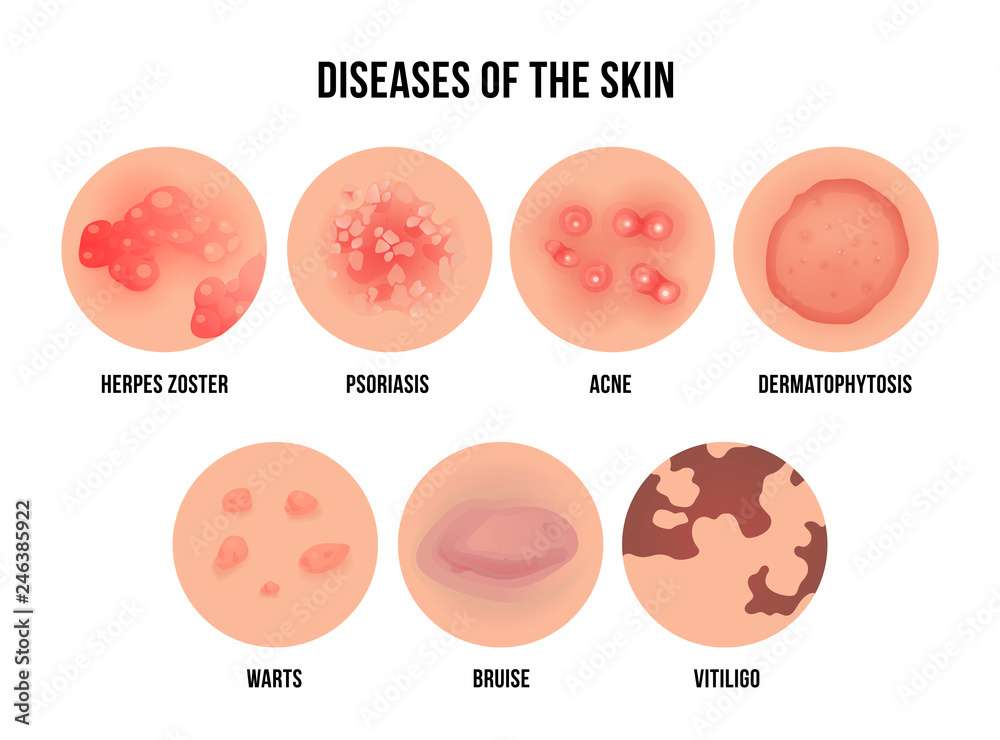
Hypertension, commonly known as high blood pressure, affects millions and is often called the 'silent killer' due to its elusive symptoms. Regular monitoring is essential for diagnosis and management of this chronic condition.
- The main symptoms can include persistent headaches, dizziness, and shortness of breath, but many individuals are asymptomatic.
- Diagnosis typically involves measuring blood pressure over several visits and may include additional tests like blood work to rule out secondary causes.
- Management usually consists of lifestyle changes such as reducing salt intake, increasing physical activity, and possibly medications like ACE inhibitors or diuretics.
- Regular follow-ups are crucial to ensure treatment efficacy and to adjust medication as needed.
- Persistent hypertension can lead to serious complications such as heart disease or stroke; therefore, adherence to treatment is vital.
Understanding how to control hypertension can significantly enhance quality of life and reduce health risks in the long run.