
Dr Sarvepalli Ra
About Me
Dr Sarvepalli Ra
MBBS
Podiatrist
10 Years Experience
Biography
My Clinic
OPD Hours
| Monday | Morning | 10:00 AM | - | 02:00 PM |
| Evening | 06:00 PM | - | 09:00 PM | |
| Tuesday | Morning | 10:00 AM | - | 02:00 PM |
| Evening | 06:00 PM | - | 09:00 PM | |
| Wednesday | Morning | 10:00 AM | - | 02:00 PM |
| Evening | 06:00 PM | - | 09:00 PM | |
| Thursday | Morning | 10:00 AM | - | 02:00 PM |
| Evening | 06:00 PM | - | 09:00 PM | |
| Friday | Morning | 10:00 AM | - | 02:00 PM |
| Evening | 06:00 PM | - | 09:00 PM | |
| Saturday | Morning | 10:00 AM | - | 02:00 PM |
| Evening | 06:00 PM | - | 09:00 PM | |
| Sunday | Morning | 10:00 AM | - | 02:00 PM |
| Evening | 06:00 PM | - | 09:00 PM |
Treatments
Specialised care and treatments offered
HAMMER TOE CORRECTION SURGERY
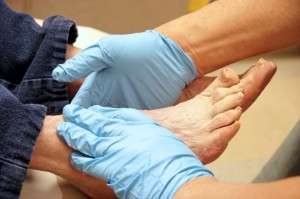
Hammer toe is a deformity characterized by an abnormal bend in one or more toe joints which leads often burns cause joint stiffness alongside painful calluses underneath upon prolonged use typical footwear types constricting them too tightly locally inflating nerves exacerbating tensions built throughout daily tasks extensively undertaken nowadays undertaken routinely!
- Symptoms , incl bent appearance easily observable especially whilst barefoot padding must accompany tight-fitting shoes clenching makes matters worse.
- Diagnosis : typically via clinical inspection but X-rays may ascertain extent determining next therapeutic pathways chosen ahead whichever recommended course fitted individualized context within varying stages avenues explored simultaneously based upon degree severity exhibited overall case submitted awaiting review steadily processing thereafter forward progress reassessed stepwise periodically meeting expectations outlined earlier tasked repeatedly ensuring holistic care integrated approach driving excellence sought consistently achievable left unchecked potentially leads surgical correction forever enhancing form-function relations surrounding these areas unhindered play zones surely enjoyed thereafter!
Attaining hammer toe correction opens new pathways invigorating strides barefoot promoting confidence inspiring enjoyment navigated routes taking shape commonly held beliefs nurturing healthier perspective encouraging lifestyle adaptations embracing fruitful journeys experienced firsthand diverse clientele supported tirelessly behind dedicated teams aptly skilled tailored experiences shared best possible purposes fulfilled endured through challenges surmountable overcoming hurdles faced ultimately stemming positive outcomes derived intuitively practiced path pursued here mutually served openly deriving maximum satisfaction gained sustainably restored topped ideals realized headlong balancing priorities well maintained promoting safety secured naturally!
FLATFOOT RECONSTRUCTION
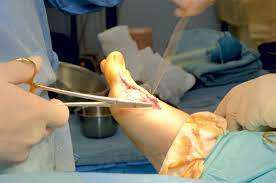
Flatfoot deformity refers to a condition where normal arches are absent due to over-pronation or soft tissue laxity. This can lead to discomfort and instability while moving about daily activities or athletics effectively.
- The hallmark sign includes visible flattening of arches accompanied by lower limb fatigue during extended periods upright posture or exercise sessions altogether various foot ailments could stem from it too!
- A thorough examination assesses arch height along with gait analysis; imaging such as X-rays illustrates structural changes within foot bones compared against normative data collected previously among healthy subjects generally observed during assessments/indexed across populations comprised collectively.
- Non-infusion modalities adopt supportive footwear coupled with custom orthotics aimed reduce stress on plantar tissues whenever possible instead pursuing surgical intervention unless it's absolutely necessary!
Knowledge about flatfoot reconstruction offers hope towards restoring functional movement patterns facilitators clients aspiring engage again physically happy lives unencumbered once therapeutic approaches deemed lasting!
NEUROMA TREATMENT
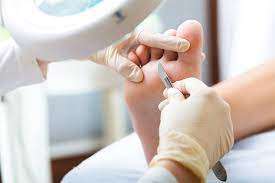
A neuroma is a growth of nerve tissue that often forms between the toes, typically between the third and fourth toes. It can result in significant discomfort while walking or standing due to irritation from footwear pressure.
- Symptoms usually include sharp, burning pain in the ball of the foot, tingling sensations, or numbness in affected areas.
- A comprehensive clinical examination helps identify a neuroma; ultrasound imaging aids in confirming diagnosis when necessary.
- Treatment options promote relief through conservative methods like padding or orthotic devices; more severe cases may require surgical excision of nerve tissue if symptoms persist drastically affecting quality of life.
- Patients are encouraged to follow postoperative care instructions carefully if surgery occurs to ensure proper healing.
Awareness about neuromas empowers individuals with better management strategies for this bothersome foot ailment without impulsive decisions toward invasive treatments initially when possible.
BUNION SURGERY (OSTEOTOMY)
Bunions are bony protrusions at the base of the big toe caused by misalignment of toe joints. They can lead to pain and difficulty while walking if not managed appropriately.
- Indications include noticeable swelling on the side of the big toe and discomfort while wearing shoes or during walking activities.
- A podiatrist will evaluate foot biomechanics through physical examinations; imaging tests are utilized for precise assessment of bunion severity.
- Surgical options such as osteotomy can realign bones and alleviate symptoms when conservative measures fail.
- The recovery process requires rest followed by gradual mobilization under professional guidance for optimal results.
Surgical intervention for bunions can greatly improve mobility and comfort by correcting alignment issues in affected individuals.
ACHILLES TENDON RUPTURE REPAIR
An Achilles tendon rupture is a serious injury that involves tearing of the tendon connecting calf muscles to the heel bone. This injury often occurs during sports activities that involve sudden starts or stops.
- The main symptom is an abrupt pain at the back of the ankle, sometimes described as being kicked in the heel.
- A physical exam will reveal swelling and tenderness; an MRI may confirm a full rupture.
- Surgical repair is typically necessary for complete tears, along with physical therapy to regain strength and flexibility post-operation.
- Recovery involves immobilization initially followed by rehabilitation to restore function over time.
Timely treatment of an Achilles tendon rupture significantly enhances recovery outcomes and quality of life for patients affected by this injury.
PLANTAR FASCIITIS
Plantar fasciitis is a common condition that causes heel pain due to inflammation of the plantar fascia, a thick band of tissue connecting your heel bone to your toes. This condition primarily affects those who spend long hours on their feet or have certain foot mechanics.
- Symptoms include sharp pain in the heel, particularly with the first steps in the morning or after prolonged sitting.
- This condition is diagnosed through a physical examination and reviewing the patient's history. Imaging tests like X-rays or MRIs may be used to rule out other issues.
- Treatment options often involve stretching exercises, orthotic support, and in some cases, corticosteroid injections.
- Patients can expect gradual improvement with consistent management, although complete healing might take several months.
Understanding plantar fasciitis is key to managing this painful condition effectively and preventing its recurrence in the future.