
Dr Sashi Mohan S
About Me
Dr Sashi Mohan S
MD
Cardiologist
10 Years Experience
Biography
My Clinic
OPD Hours
| Monday | Morning | 10:00 AM | - | 02:00 PM |
| Evening | 06:00 PM | - | 09:00 PM | |
| Tuesday | Morning | 10:00 AM | - | 02:00 PM |
| Evening | 06:00 PM | - | 09:00 PM | |
| Wednesday | Morning | 10:00 AM | - | 02:00 PM |
| Evening | 06:00 PM | - | 09:00 PM | |
| Thursday | Morning | 10:00 AM | - | 02:00 PM |
| Evening | 06:00 PM | - | 09:00 PM | |
| Friday | Morning | 10:00 AM | - | 02:00 PM |
| Evening | 06:00 PM | - | 09:00 PM | |
| Saturday | Morning | 10:00 AM | - | 02:00 PM |
| Evening | 06:00 PM | - | 09:00 PM | |
| Sunday | Morning | 10:00 AM | - | 02:00 PM |
| Evening | 06:00 PM | - | 09:00 PM |
Treatments
Specialised care and treatments offered
PREVENTIVE CARDIOLOGY COUNSELING

The goal of preventive cardiology is to identify risk factors early before cardiovascular diseases manifest significantly. This proactive approach improves long-term health prospects through education-driven behaviors.
- Risk factors identification: Family history assessment along with screening for diabetes, hypertension forms basis for targeted prevention plans.
- Diagnostic assessments: Routine checkups including BMI measurement and lipid profiles provide data needed to stratify patient risk accurately.
- Intervention strategies: Personalized advice focuses on smoking cessation assistance programs, balanced nutrition emphasis alongside guided physical activities.
- Expected benefits: Early lifestyle interventions can delay or even eliminate development of major cardiovascular events ensuring healthier aging processes.
Engaging actively with preventive measures strengthens cardiovascular reserves while empowering patients via knowledge about their health journey.
CHOLESTEROL CONTROL STRATEGIES
Your cholesterol levels significantly impact cardiovascular health by influencing plaque formation within arteries. Managing these levels is fundamental for prevention of atherosclerotic disease outcomes.
- Disease mechanism & warning signs: Elevated LDL cholesterol contributes directly to clogged vessels; often there are no physical symptoms until serious problems occur later on.
- Lipid screening methods:A simple blood test evaluates total cholesterol as well as LDL/HDL fractions guiding therapeutic decisions accurately.
- Medications & lifestyle approaches: Statins remain cornerstone drugs supplemented by dietary fiber intake increases, reduced saturated fats consumption coupled with consistent aerobic exercises.
- Patient expectations regarding outcomes: With persistence cholesterol reductions can lower risks substantially but require lifelong commitment.
Proactivity in controlling cholesterol not only prevents complications but fosters long-term vascular wellness overall.
ARRHYTHMIA AWARENESS AND MANAGEMENT
The presence of irregular heartbeats can range from harmless palpitations to more serious arrhythmias requiring medical attention. Understanding these rhythm disturbances aids timely intervention.
- Causative factors & signs: Arrhythmias may arise from electrolyte imbalances or underlying cardiac conditions; common signs include fluttering chest sensations and dizziness.
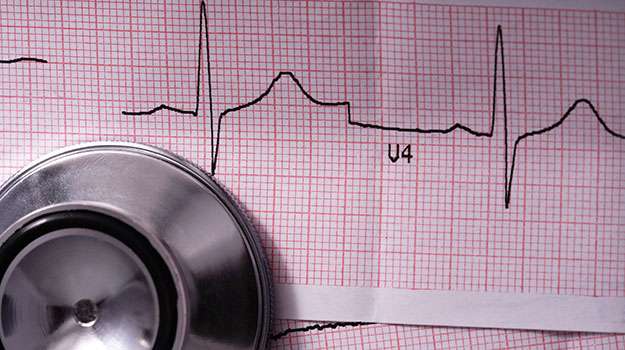
- Evidential diagnosis: Electrocardiograms (ECG) monitor electrical activity patterns identifying arrhythmic episodes accurately.
- Treatment options: Depending on type, management includes medications like beta-blockers or procedures such as cardioversion when needed; lifestyle changes reduce triggers like caffeine excess or stress.
- What to anticipate: With proper care many individuals lead normal lives but require continuous monitoring for changes in rhythm severity or frequency.
A well-informed patient partnership enhances safety by ensuring prompt response if new symptoms develop or worsen over time.
HEART FAILURE MANAGEMENT
Heart failure is a condition where the heart's ability to pump blood effectively diminishes. Early recognition and management improve symptoms and prolong life expectancy.
- Main contributors: Conditions like high blood pressure or previous heart attacks weaken the heart muscle; symptoms may include swelling, fatigue, and shortness of breath.
- Diagnostic approach: Echocardiograms alongside clinical evaluation help confirm reduced cardiac function.
- Treatment modalities: Combination of medication adherence (like ACE inhibitors), dietary sodium restriction, fluid management, and regular exercise tailored to tolerance levels are critical steps.
- Lifestyle expectations: Avoiding tobacco use along with weight control supports treatment goals; patients learn self-monitoring techniques for symptom changes.
A multidisciplinary approach ensures patients maintain functional status while minimizing hospitalizations related to heart failure exacerbations.
LIFESTYLE MODIFICATIONS FOR CORONARY ARTERY DISEASE
A healthy lifestyle plays a pivotal role in managing coronary artery disease (CAD) by helping reduce plaque buildup in arteries. Adopting positive habits can prevent further narrowing of the vessels supplying the heart.
- Symptoms and causes: CAD occurs due to cholesterol deposits blocking coronary arteries; symptoms include chest pain, shortness of breath, or fatigue during exertion.
- Diagnosis process: Tests such as ECG, stress tests, and angiography assess the extent of arterial blockage.
- Treatment strategies: Emphasis is placed on quitting smoking, adopting heart-friendly diets rich in fruits and vegetables, regular physical activity, and managing stress effectively.
- Monitoring expectations: Regular follow-ups enable adjustment of therapies to prevent progression or complications like heart attacks.
Caring for your cardiovascular system through these modifications can enhance quality of life and disease outcomes markedly.
HYPERTENSION MANAGEMENT
Managing high blood pressure is essential to reduce the risk of serious heart complications. Many people with elevated blood pressure may not notice symptoms initially, which is why routine checks are important.
- Causes and symptoms: Hypertension often develops over years and can be influenced by genetics, diet, stress, and lifestyle choices; symptoms may be absent or include headaches and dizziness.
- Diagnosis: Blood pressure measurements are taken using a sphygmomanometer during medical visits to determine if levels are consistently above normal.
- Treatment options: Lifestyle changes such as dietary adjustments, regular exercise, weight control, and medication when necessary help maintain optimal blood pressure.
- What to expect: Ongoing monitoring and adherence to treatment plans are crucial for preventing long-term damage like heart attack or stroke.
Effective control of hypertension significantly improves heart health and overall well-being when combined with patient awareness and proactive care.