
Dr Sashi Rawat
About Me
Dr Sashi Rawat
Cardiologist
Biography
My Clinic
OPD Hours
| Tuesday | Morning | 10:00 AM | - | 02:00 PM |
| Evening | 06:00 PM | - | 09:00 PM | |
| Wednesday | Morning | 10:00 AM | - | 02:00 PM |
| Evening | 06:00 PM | - | 09:00 PM | |
| Thursday | Morning | 10:00 AM | - | 02:00 PM |
| Evening | 06:00 PM | - | 09:00 PM | |
| Friday | Morning | 10:00 AM | - | 02:00 PM |
| Evening | 06:00 PM | - | 09:00 PM | |
| Saturday | Morning | 10:00 AM | - | 02:00 PM |
| Evening | 06:00 PM | - | 09:00 PM | |
| Sunday | Morning | 10:00 AM | - | 02:00 PM |
| Evening | 06:00 PM | - | 09:00 PM | |
| Thursday | Morning | 10:00 AM | - | 02:00 PM |
| Evening | 06:00 PM | - | 09:00 PM |
Treatments
Specialised care and treatments offered
VALVULAR HEART DISEASE

This condition affects one or more valves in the heart that regulate blood flow efficiently. Valvular heart disease can lead to significant complications if left unchecked over extended periods without appropriate intervention measures taken timely .
- Symptoms often present as fatigue , swelling , increased palpitations , or chest discomfort during normal activities .
- Diagnosis commonly involves echocardiograms which visualize valve structure functionality assessed along other tests evaluating underlying causes impacting cardiac performance observed recurrently .
- Management strategies vary widely dependent on severity ranging from medication regimens addressing symptom relief up until surgical repairs replacements warranted depending on case specifics outlined clearly post-assessment overall .
- Lifelong follow-ups remain essential ensuring ongoing risk evaluation related future occurrences stemming from earlier identified issues encouraging proper vigilance concerning individual patient health journey throughout each step taken thereafter being fundamental accordingly .
Effectively managing valvular diseases contributes substantially towards maintaining lifelong wellness goals amidst possible threats existing without intervention done correlatively helping maintain optimal lifestyles positively again whilst preventing further progression experienced otherwise unnoticed down paths detrimental overall thus regarded critically henceforth moving forward continuously .
HYPERTENSION EMERGENCY
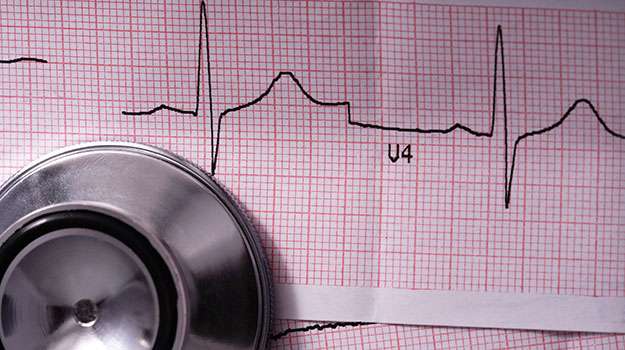
A hypertension emergency refers to a severe elevation in blood pressure that can lead to life-threatening organ damage. Recognizing this situation promptly is critical for effective treatment delivery.
- Patients may experience headaches, nosebleeds, or visual disturbances as warning signs indicating elevated levels requiring immediate medical care.
- Differentiating between hypertensive urgency and emergency involves clinical evaluations alongside thorough blood pressure measurements taken over time within a consultation visit context .
CORONARY ARTERY DISEASE
Coronary artery disease (CAD) develops when the arteries supplying blood to the heart become narrowed or blocked over time. Understanding CAD is essential for prevention and treatment purposes.
- The leading symptoms may include angina (chest pain), shortness of breath during exertion, or fatigue with activity levels rising prematurely.
- CAD diagnosis often involves stress tests along with coronary angiography procedures that visualize blood flow through the arteries.
- Treatment approaches range from lifestyle changes, medication adherence targeting cholesterol and hypertension management; procedures like stenting might be necessary too.
- Patients should anticipate ongoing assessments concerning their cardiovascular health status after an initial diagnosis as part of their care strategy.
Sustained management efforts can significantly improve outcomes for individuals living with CAD over time.
ATRIAL FIBRILLATION
Atrial fibrillation (AFib) is an irregular heartbeat that can lead to serious complications such as stroke. Understanding this condition helps in managing its risks effectively.
- Symptoms often include palpitations, dizziness, or even chest pain during episodes of rapid heart rates.
- To diagnose AFib, doctors will conduct an ECG alongside patient history assessments to identify irregularities in the heartbeat pattern.
- Treatment generally involves anticoagulant medications to reduce stroke risk and rate control drugs; cardioversion may also be utilized in certain situations.
- Regular follow-up visits are vital for monitoring heart rhythm stability and medication efficiency.
Early detection and consistent management play key roles in minimizing potential complications from AFib.
CONGESTIVE HEART FAILURE
Congestive heart failure (CHF) is a chronic condition where the heart struggles to pump sufficient blood to meet the body's needs. This can lead to fluid buildup and various complications if left untreated.
- Common signs include fatigue, swollen legs, and persistent cough due to fluid accumulation.
- Healthcare providers diagnose CHF through physical examinations, imaging tests like echocardiography, and lab assessments that measure kidney function and electrolytes.
- Management may consist of lifestyle changes, medications like diuretics or ACE inhibitors, and possibly device therapy for more severe cases.
- The treatment plan aims at improving quality of life while regularly reassessing heart function.
A comprehensive approach can help manage symptoms effectively and enhance overall well-being.
ACUTE MYOCARDIAL INFARCTION
An acute myocardial infarction, commonly known as a heart attack, occurs when blood flow to a part of the heart muscle is interrupted. This blockage can cause significant damage to the heart if not addressed immediately.
- The primary symptoms include severe chest pain, shortness of breath, and sweating.
- Diagnosis typically involves an electrocardiogram (ECG) and blood tests to detect cardiac enzymes.
- Treatment options may include medications such as thrombolytics or antiplatelet agents, and in some cases, surgical interventions like angioplasty.
- Patients can expect close monitoring in a hospital setting for rapid intervention.
Immediate medical attention is crucial to minimize heart damage and improve recovery prospects.