
Dr Satish Chand
About Me
Dr Satish Chand
MBBS
Podiatrist
10 Years Experience
Biography
My Clinic
OPD Hours
| Monday | Morning | 10:00 AM | - | 02:00 PM |
| Evening | 06:00 PM | - | 09:00 PM | |
| Tuesday | Morning | 10:00 AM | - | 02:00 PM |
| Evening | 06:00 PM | - | 09:00 PM | |
| Wednesday | Morning | 10:00 AM | - | 02:00 PM |
| Evening | 06:00 PM | - | 09:00 PM | |
| Thursday | Morning | 10:00 AM | - | 02:00 PM |
| Evening | 06:00 PM | - | 09:00 PM | |
| Friday | Morning | 10:00 AM | - | 02:00 PM |
| Evening | 06:00 PM | - | 09:00 PM | |
| Saturday | Morning | 10:00 AM | - | 02:00 PM |
| Evening | 06:00 PM | - | 09:00 PM | |
| Sunday | Morning | 10:00 AM | - | 02:00 PM |
| Evening | 06:00 PM | - | 09:00 PM |
Treatments
Specialised care and treatments offered
ANKLE-BRACHIAL INDEX (ABI) TESTING
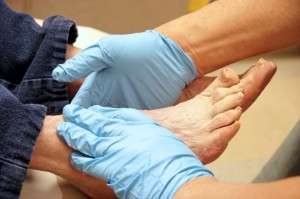
The Ankle-Brachial Index test compares blood pressure measurements at the ankle with those at the arm to assess peripheral arterial disease (PAD), an important cause of leg pain and poor wound healing in lower extremities.
- This painless examination uses a blood pressure cuff and Doppler ultrasound device placed on arteries at specific sites on both legs and arms to obtain readings simultaneously;
- An ABI score lower than normal suggests narrowed arteries reducing blood flow possibly leading to claudication symptoms;
- The test assists clinicians in diagnosing vascular involvement contributing to foot problems as well as monitoring response after interventions like angioplasty;
- If abnormal results are found further vascular studies may be recommended depending on symptom severity aiming for improved circulation management strategies;
FOOT ULCER MANAGEMENT
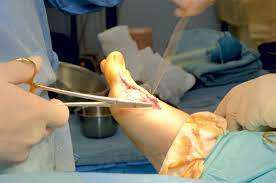
Foot ulcers are open sores typically caused by poor circulation or neuropathy especially prevalent among individuals with diabetes or vascular disease. They require careful management to heal properly and prevent complications.
- The ulcer site is examined thoroughly for depth, size, presence of infection, and surrounding tissue condition during evaluation.
- Treatment focuses on relieving pressure using offloading devices such as special shoes or casts combined with wound cleaning and dressings tailored to promote healing environment.
- Infections are managed aggressively with appropriate antibiotics guided by culture results where necessary;
- Nutritional support plays an important role alongside glycemic control in diabetic patients for optimal recovery outcomes.
Successful management depends on multidisciplinary approaches including podiatry follow-up aimed at preventing recurrence through education and lifestyle adjustments.
NAIL BED INFECTION (PARONYCHIA) TREATMENT
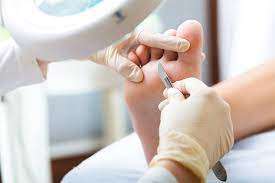
Nail bed infections occur when bacteria enter through a break in the skin surrounding the nail causing redness, swelling, and pain. Early treatment prevents spread to deeper tissues.
- This condition often arises following trauma such as nail biting or manicures leading to bacterial invasion around the nail folds.
- A clinical exam reveals tenderness along with pus formation occasionally requiring drainage if abscess forms behind the nail fold.
- Therapy includes keeping the area clean and dry along with topical antibiotics; severe cases might need oral antibiotics or minor surgical intervention for drainage.
- Avoiding irritants and prompt hygiene after nail injuries reduces future recurrence risks significantly.
Caring for nail bed infections promptly helps avoid chronic inflammation or permanent nail deformity by controlling infection early on.
DIABETIC FOOT EXAMINATION
Regular diabetic foot exams are crucial for preventing complications like ulcers and infections due to nerve damage and poor circulation commonly seen in diabetes mellitus patients.
- The examination includes checking skin integrity, sensation using monofilament testing, pulses in the feet, and structural deformities that increase ulcer risk.
- Podiatrists also look for early signs of infection or pressure points that could trigger wounds if unnoticed.
- This screening aids in prompt identification of high-risk feet requiring specialized care or patient education on daily foot hygiene practices.
- Treatment plans may incorporate custom footwear recommendations, wound care guidance, and referrals for vascular evaluation as needed.
Preventive diabetic foot assessments play a vital role in reducing limb-threatening complications through early detection and consistent monitoring.
BIOMECHANICAL GAIT ANALYSIS
A biomechanical gait analysis evaluates how you walk and identifies abnormalities that may lead to foot problems or injuries. It is particularly valuable for diagnosing sources of pain related to walking patterns.
- The assessment uses video capture and pressure sensors to examine foot positioning, stride length, and weight distribution during movement.
- This approach helps detect factors such as overpronation, supination, or asymmetries contributing to discomfort or risk of injury.
- The data collected assists clinicians in customizing orthotics, recommending exercises, or advising footwear modifications tailored to individual biomechanics.
- This non-invasive test facilitates preventive care by identifying issues before chronic conditions develop.
A thorough gait analysis can significantly improve treatment outcomes by addressing underlying mechanical causes rather than just symptoms.
PLANTAR FASCIITIS
Plantar fasciitis is one of the most common causes of heel pain, resulting from inflammation of the plantar fascia, a thick band of tissue connecting the heel bone to the toes.
- Symptoms include sharp heel pain, especially with the first steps in the morning or after prolonged rest.
- Causes often involve repetitive strain due to overuse, improper footwear, or biomechanical issues such as flat feet.
- Diagnosis is typically clinical but may be supported by imaging like ultrasound or X-rays to rule out other conditions.
- Treatment involves rest, stretching exercises, orthotic devices, and in some cases physical therapy or anti-inflammatory medications.
- Prognosis is generally good with proper management, although symptoms can persist for several months without intervention.
Early recognition and adherence to a treatment plan are essential to reduce discomfort and restore normal foot function.