
Dr Satish Chandra
About Me
Dr Satish Chandra
MS
Urologists
10 Years Experience
Biography
My Clinic
OPD Hours
| Monday | Morning | 10:00 AM | - | 02:00 PM |
| Evening | 06:00 PM | - | 09:00 PM | |
| Tuesday | Morning | 10:00 AM | - | 02:00 PM |
| Evening | 06:00 PM | - | 09:00 PM | |
| Wednesday | Morning | 10:00 AM | - | 02:00 PM |
| Evening | 06:00 PM | - | 09:00 PM | |
| Thursday | Morning | 10:00 AM | - | 02:00 PM |
| Evening | 06:00 PM | - | 09:00 PM | |
| Friday | Morning | 10:00 AM | - | 02:00 PM |
| Evening | 06:00 PM | - | 09:00 PM | |
| Saturday | Morning | 10:00 AM | - | 02:00 PM |
| Evening | 06:00 PM | - | 09:00 PM | |
| Sunday | Morning | 10:00 AM | - | 02:00 PM |
| Evening | 06:00 PM | - | 09:00 PM |
Treatments
Specialised care and treatments offered
VASECTOMY
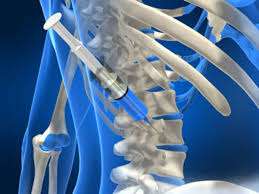
A vasectomy is a minor surgical procedure aimed at male sterilization by severing the vas deferens. It’s considered a permanent method of contraception but should only be pursued by individuals certain about their reproductive plans.
- Benefits: A reliable form of birth control without affecting hormone levels or sexual performance offers long-term family planning solutions for couples looking forward without unwanted pregnancies.
- Procedure details: The outpatient procedure typically takes less than 30 minutes under local anesthesia; recovery usually requires minimal downtime.
- Risks: While complications are rare some men might experience mild pain swelling post-surgery requiring brief rest periods before normal activities resume again later on post-recovery stages discussed during consultations beforehand
a< n s “detailed consultations regarding concerns surrounding reversibility potential outcomes help make informed decisions.”< | br/> < R ecommendations=“ if considering vasectomy seek guidance regarding necessary details exploring its suitability according personal circumstances ahead consultation opportunities.”< r./ Li o = “planning ahead allows better choices today” />
< p />
ERECTILE DYSFUNCTION (ED)

Erectile dysfunction refers to the inability to achieve or maintain an erection sufficient for satisfactory sexual performance. It's a common issue affecting many men at various ages but often remains unspoken due to stigma.
- Symptoms: Difficulty achieving an erection consistently during sexual activities is a primary symptom.
- Causes: Factors range from psychological issues like anxiety to physical conditions such as diabetes or cardiovascular diseases affecting blood flow.
- Diagnosis: Comprehensive evaluations including medical history reviews and lab tests help identify underlying causes effectively.
- Treatment options: Treatments vary from oral medications that enhance blood flow to counseling sessions addressing emotional barriers. Vacuum devices and penile injections provide additional support where needed.
- What to expect: Open conversations with healthcare providers lead towards therapeutic approaches fostering improved intimacy over time.
For men facing erectile dysfunction challenges seeking professional advice is paramount towards finding individualized strategies enhancing both physical health and emotional well-being.
PROSTATE CANCER SCREENING

Catching prostate cancer early through screening can significantly enhance treatment success rates. Regular screenings are essential for men over 50 years old or those with risk factors for prostate cancer.
- Symptoms:
URINARY INCONTINENCE

This condition involves an involuntary loss of urine control which can affect daily activities and social interactions. Understanding urinary incontinence is vital for managing symptoms effectively.
- Symptoms: Occasional leaks when coughing or sneezing as well as a sudden urge to urinate characterize this condition.
- Causes: Factors include childbirth, aging, prostate surgery in men, or neurological conditions that affect bladder control.
- Diagnosis: Patient history review along with bladder diaries helps determine severity; further testing might include urodynamic studies.
- Treatment options:
KIDNEY STONES

Kidney stones are hard deposits made of minerals and salts that form inside the kidneys. They can be extremely painful when passing through the urinary tract but are generally treatable with appropriate medical intervention.
- Symptoms: Intense pain in the side and back, nausea, vomiting, and blood in urine indicate kidney stones may be present.
- Causes: Factors such as dehydration, diet high in oxalate-rich foods, and certain metabolic conditions contribute to stone formation.
- Diagnosis: Imaging tests like CT scans or ultrasounds help confirm the presence of kidney stones.
- Treatment options: Depending on size and location, treatment may range from increased fluid intake to lithotripsy or surgical removal for larger stones.
- What to expect: Passing smaller stones may occur naturally with adequate hydration; however, follow-up care is important for larger stones.
If you're experiencing symptoms of kidney stones, seek evaluation for effective management solutions that can provide relief from discomfort.
BENIGN PROSTATIC HYPERPLASIA (BPH)

Benign Prostatic Hyperplasia, commonly known as BPH, is a condition in which the prostate gland enlarges, often resulting in discomfort and urinary issues in men. This non-cancerous enlargement can significantly impact quality of life.
- Symptoms: Frequent urination, especially at night, difficulty starting or stopping urination, and weak urine flow are common indicators.
- Causes: Aging and hormonal changes are major contributors to BPH.
- Diagnosis: A healthcare provider may conduct a digital rectal exam (DRE) and utilize urine tests to diagnose this condition accurately.
- Treatment options: Management can include lifestyle changes, medications like alpha-blockers, or minimally invasive procedures to alleviate symptoms.
- What to expect: Regular monitoring is essential; lifestyle modifications can lead to significant symptom relief.
If you experience any symptoms associated with BPH, it is crucial to consult a healthcare professional for evaluation and management strategies tailored to your needs.