
Dr Satya Prakash
About Me
Dr Satya Prakash
MD
Anesthesiologist
Biography
My Clinic
OPD Hours
| Monday | Morning | 10:00 AM | - | 02:00 PM |
| Evening | 06:00 PM | - | 09:00 PM | |
| Tuesday | Morning | 10:00 AM | - | 02:00 PM |
| Evening | 06:00 PM | - | 09:00 PM | |
| Wednesday | Morning | 10:00 AM | - | 02:00 PM |
| Evening | 06:00 PM | - | 09:00 PM | |
| Thursday | Morning | 10:00 AM | - | 02:00 PM |
| Evening | 06:00 PM | - | 09:00 PM | |
| Friday | Morning | 10:00 AM | - | 02:00 PM |
| Evening | 06:00 PM | - | 09:00 PM | |
| Saturday | Morning | 10:00 AM | - | 02:00 PM |
| Evening | 06:00 PM | - | 09:00 PM | |
| Sunday | Morning | 10:00 AM | - | 02:00 PM |
| Evening | 06:00 PM | - | 09:00 PM |
Treatments
Specialised care and treatments offered
ANESTHESIA MONITORING
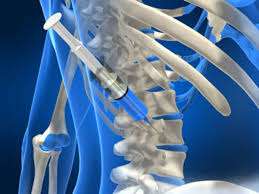
Anesthesia monitoring is an integral aspect of any surgical procedure where anesthesia is utilized. Continuous supervision ensures patient safety while optimizing anesthetic effectiveness during operations across various disciplines within healthcare environments wherever performed regularly today functionalities provided extraordinarily help mitigate injury possibilities occurring unexpectedly even under ideal circumstances continually analyzed efficiently regardless every moment counted accordingly essential components forming utmost importance successfully delivered via trained professionals tirelessly seeking excellence reassuringly safeguarding everyone involved consistently along pathways established moving forward aligning care seamlessly altogether ultimately laid groundwork supporting optimal results eventually emerges regarding overall outcomes anticipated perceiving positive impacts extending far beyond perioperative periods lasting extensively benefiting communities profoundly influenced invariably sustaining long-term wellness trajectories nourished intentionally fostering healthier living methods perseveringly enriching lives dramatically positively overall journey ensuing thereafter.
PREOPERATIVE ASSESSMENT

A preoperative assessment is critical before any surgical procedure. This evaluation helps identify potential risks associated with anesthesia by examining individual health profiles thoroughly before scheduling any operation requiring anesthetic intervention.
- Symptoms: Symptoms such as breathing difficulties or cardiovascular concerns need thorough evaluation prior to surgery when planning anesthetic use safely.
- Diagnosis: A comprehensive review involving medical history, risk factors evaluation, and tests as needed contribute toward identifying high-risk individuals carefully prior toward upcoming surgery.
- Treatment options: Decisions around procedural timing / type might change based upon findings from this assessment focusing primarily on patient safety ensuring readiness going forward comfortably.
- What to expect: Expect detailed discussions surrounding findings leading up until scheduled date alongside potential interventions discussed completely maintaining clarity throughout procedure timelines carefully.
Adequately preparing regarding applicable risks ahead of undergoing surgery proves substantially beneficial promoting smooth transitions within healthcare experiences consistently.
PAIN MANAGEMENT SERVICES

Pain management services involve various techniques designed to alleviate chronic pain through tailored anesthetic interventions and multidisciplinary approaches. These services are vital in improving quality of life by addressing persistent pain conditions effectively.
- Symptoms: Patients suffering from chronic pain conditions such as neuropathy or post-surgical pain require comprehensive management strategies that go beyond standard analgesics.
- Diagnosis: Detailed assessments including imaging studies and patient interviews guide treatment selection based on individual needs and conditions affecting overall health outcomes.
- Treatment options: Techniques like nerve blocks, medication management, physical therapy recommendations, or alternative therapies can be utilized based on specific diagnoses.
- What to expect: Improvements in daily function are common; ongoing evaluations ensure that treatment plans fit changing needs over time.
A proactive stance in managing chronic pain significantly enhances daily functioning and emotional well-being of patients facing these realities.
SEDATION FOR PROCEDURES

Sedation for procedures provides a calming effect without full unconsciousness, making it suitable for less invasive treatments such as endoscopies or dental work. It helps alleviate anxiety while ensuring comfort during various outpatient interventions.
- Symptoms: Patients often enter a relaxed state but may still respond to prompts; mild discomfort could be experienced without adequate sedation.
- Diagnosis: Pre-procedure evaluations help assess patient anxiety levels and appropriateness for sedation rather than general anesthesia.
- Treatment options: Options range from minimal sedation (anxiolysis) to moderate sedation tailored to individual needs during short procedures.
- What to expect: The effects wear off relatively quickly post-procedure, allowing most individuals to resume normal activities shortly after recovery.
This approach ensures both safety and comfort throughout minimally invasive procedures without the need for deeper anesthesia techniques.
REGIONAL ANESTHESIA

Regional anesthesia involves blocking sensation in specific areas of the body to provide pain relief during surgical procedures. It is commonly used for surgeries involving limbs or lower regions of the body.
- Symptoms: Ideal candidates may present with localized pain needing surgical intervention without general anesthesia risks.
- Diagnosis: Comprehensive assessments including medical history and imaging may help identify suitable cases for regional blocks.
- Treatment options: Techniques include spinal blocks, epidurals, or nerve blocks, depending on the surgery's location and type.
- What to expect: Patients remain conscious but will feel no pain in the targeted area. Recovery from regional anesthesia tends to be quicker than general anesthesia.
This method facilitates effective pain management while minimizing systemic effects from anesthesia.
GENERAL ANESTHESIA

General anesthesia is a medically induced state that allows patients to undergo surgical procedures without experiencing pain or awareness. This form of anesthesia is essential for operations that would otherwise be too painful or complex for the patient to tolerate awake.
- Symptoms: Patients do not feel pain, nor are they conscious during the procedure. They may experience difficulty responding to verbal commands.
- Diagnosis: Patient health assessments, including medical history and physical examinations, help determine if general anesthesia is appropriate.
- Treatment options: It involves administering anesthetic agents intravenously or through inhalation; monitoring vital signs throughout the procedure is crucial.
- What to expect: After administration, patients typically drift into unconsciousness quickly. Recovery time after surgery can vary based on the anesthetic used and individual patient factors.
This approach ensures a painless surgical experience and is fundamental in modern medicine.