
Dr Satyavati Yadav
About Me
Dr Satyavati Yadav
MBBS,MD
General Physician
25 Years Experience
Biography
My Clinic
OPD Hours
| Monday | Morning | 09:00 AM | ||
| Evening | 09:00 PM | |||
| Tuesday | Morning | 09:00 AM | ||
| Evening | 09:00 PM | |||
| Wednesday | Morning | 09:00 AM | ||
| Evening | 09:00 PM | |||
| Thursday | Morning | 09:00 AM | ||
| Evening | 09:00 PM |
Treatments
Specialised care and treatments offered
ACUTE RESPIRATORY INFECTIONS (ARIS) MANAGEMENT
A common issue faced in outpatient settings is acute respiratory infections (ARIs), which can range from mild colds to more severe illnesses like pneumonia. Understanding ARIs aids in recognizing when medical intervention may be needed.
- Symptoms: Common signs include coughs, sore throat & fatigue among others depending upon severity & causative organisms.;
- Diagnosis: Evaluating medical history alongside physical exams & possibly radiological tests help establish the diagnosis.;
- Treatment Options: Management often involves supportive care (e.g., rest & hydration), while antibiotics might be necessary if bacteria cause the infection.;
- Prevention Strategies: Practicing hygiene measures like handwashing greatly reduces transmission risk;
PREVENTIVE HEALTH SCREENINGS

The importance of preventive health screenings cannot be understated. These screenings help identify potential health issues before they become more severe challenges requiring intensive treatment.
- Purpose: Screening tests aim at detecting conditions like cancer or cardiovascular problems early on when they are most treatable.
- Common Tests: Examples include cholesterol tests, mammograms for breast cancer screening among women over 40 years old;
- Frequency: The frequency of screenings varies based on individual risk factors such as age or family history;
- Patient Engagement: Involving patients in decision-making regarding their screening schedules fosters better compliance and outcomes;
Early detection through screenings empowers you to take charge of your health proactively.
HYPERLIPIDEMIA TREATMENT
Hyperlipidemia refers to elevated levels of lipids (fats) in the bloodstream, increasing the risks of heart disease and stroke. Recognizing this condition early on is essential for effective intervention.
- Causative Factors: Poor diet, lack of exercise, genetic predisposition can contribute significantly to hyperlipidemia's development;
Your healthcare team will guide you through appropriate strategies for maintaining healthy lipid levels.
ASTHMA MANAGEMENT
Asthma is a respiratory condition that causes difficulty in breathing due to inflammation in the airways. Effective management of asthma is crucial for maintaining normal activity levels without restrictions.
- Symptoms: Patients frequently experience wheezing, coughing, chest tightness, and shortness of breath during asthma attacks.
- Diagnosis: A healthcare professional will use lung function tests and patient history to diagnose asthma accurately.
- Treatment Strategies: Treatment includes inhalers containing bronchodilators or corticosteroids; avoidance of triggers is also vital for controlling symptoms.
- Coping Mechanisms: Developing an asthma action plan with your physician can help manage symptoms effectively during an attack;
Easily manageable with proper care, asthma patients can achieve a fulfilling lifestyle by adhering to their management plans.
DIABETES CARE

Diabetes is a chronic condition that affects how your body processes glucose. Managing diabetes is essential to prevent serious complications like cardiovascular diseases and neuropathy.
- Symptoms: Common indicators include increased thirst, frequent urination, and unexplained weight loss.
- Diagnosis: Blood tests measuring glucose levels are standard practices in diagnosing diabetes.
- Treatment Options: Depending on the type of diabetes, treatment may involve insulin therapy, oral medications, lifestyle modifications including dietary changes and regular physical activity.
- Follow-up Care: Ongoing monitoring of blood glucose levels is integral to effective management;
A comprehensive approach can significantly enhance the quality of life for those living with diabetes.
HYPERTENSION MANAGEMENT
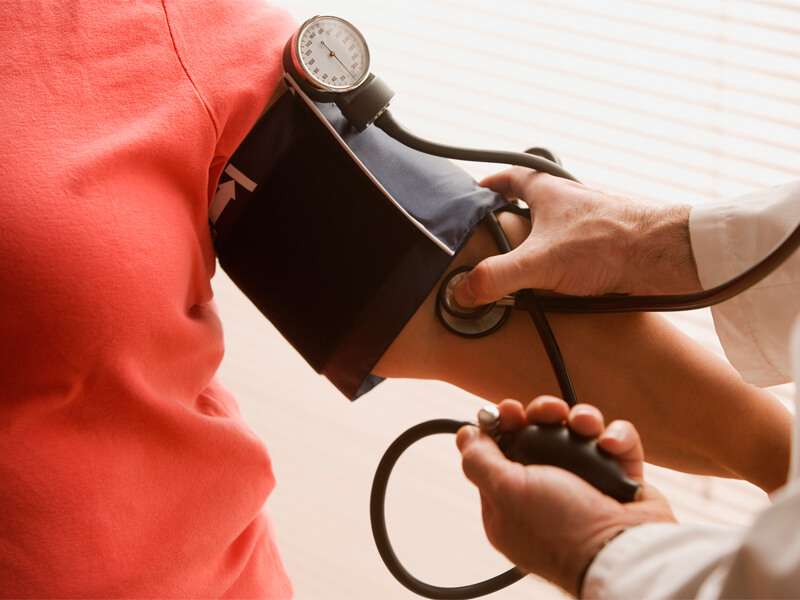
Hypertension, commonly known as high blood pressure, is a condition that can lead to severe health complications if left unmanaged. It often shows no symptoms, making regular monitoring crucial for maintaining health.
- Symptoms: Many individuals may experience headaches, dizziness, or shortness of breath, but these are not always present.
- Diagnosis: A healthcare provider typically measures blood pressure using a sphygmomanometer during routine check-ups.
- Treatment: Lifestyle changes such as diet and exercise play a significant role; medications may also be prescribed to help control blood pressure effectively.
- Monitoring: Regular follow-ups and adjustments to treatment plans are necessary to ensure optimal management of the condition.
Addressing hypertension early can lead to better long-term outcomes and improve overall quality of life.