
Dr Saurabh Goyal
About Me
Dr Saurabh Goyal
MBBS
Podiatrist
Biography
My Clinic
OPD Hours
| Monday | Morning | 10:00 AM | - | 02:00 PM |
| Evening | 06:00 PM | - | 09:00 PM | |
| Tuesday | Morning | 10:00 AM | - | 02:00 PM |
| Evening | 06:00 PM | - | 09:00 PM | |
| Wednesday | Morning | 10:00 AM | - | 02:00 PM |
| Evening | 06:00 PM | - | 09:00 PM | |
| Thursday | Morning | 10:00 AM | - | 02:00 PM |
| Evening | 06:00 PM | - | 09:00 PM | |
| Friday | Morning | 10:00 AM | - | 02:00 PM |
| Evening | 06:00 PM | - | 09:00 PM | |
| Saturday | Morning | 10:00 AM | - | 02:00 PM |
| Evening | 06:00 PM | - | 09:00 PM | |
| Sunday | Morning | 10:00 AM | - | 02:00 PM |
| Evening | 06:00 PM | - | 09:00 PM |
Treatments
Specialised care and treatments offered
ACHILLES TENDINITIS
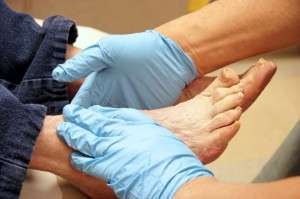
This overuse injury affects the Achilles tendon located at the back of your lower leg. Typically seen in runners or those who increase activity levels too quickly without adequate conditioning...
- Symptoms often involve tenderness along the tendon during physical activities accompanied by stiffness upon rising.
- A clinical evaluation combined with imaging techniques like ultrasound may assist in confirming a diagnosis effectively .
- Management options could involve rest protocols coupled with anti-inflammatory medications alongside specific rehabilitation exercises tailored for strengthening tendons .
- It’s vital how well you adhere towards recommendations since many patients report significant recovery when proactive about their rehabilitation regimen .
Early intervention empowers individuals towards resuming normal function while minimizing long-term impacts associated with achy tendons .
FLAT FEET (PES PLANUS)
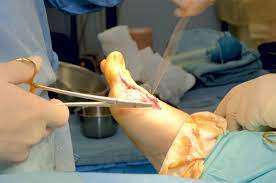
This condition arises when the arch of the foot collapses or does not develop properly during childhood or adolescence. Flat feet can contribute to various discomforts throughout life if left unaddressed.
- Main symptoms typically include foot fatigue after standing for extended periods and potential knee or back discomfort due to altered gait mechanics initiated from flat feet issues.
- A standard diagnosis involves a visual examination along with functional assessments that may examine gait patterns during walking.
- Treatment generally starts with custom orthotic devices designed specifically for supporting arches while improving biomechanics.
- Physical therapy exercises focusing on strengthening intrinsic foot muscles might also be beneficial.
With proper attention given early on, individuals with flat feet can enjoy improved mobility and reduced discomfort.
BUNIONS (HALLUX VALGUS)
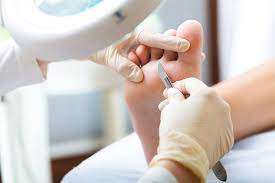
Bunions are bony bumps that form at the base of the big toe joint due to misalignment. They can cause significant discomfort and impact mobility over time if not addressed early on.
- The main symptoms include swelling around the joint, redness, and difficulty wearing shoes comfortably due to pressure on the bunion area.
- A comprehensive evaluation often includes a physical exam alongside X-rays which help visualize bone alignment issues.
- Treatment strategies may consist of corrective footwear choices, custom orthotic devices for better foot support, or medications for inflammation management.
- Surgical options are available for more severe cases where conservative treatments fail to provide relief.
A timely examination is essential for effectively managing bunions before they advance further into problematic stages.
DIABETIC FOOT ULCERS
Foot ulcers are common complications among diabetic patients due to poor circulation and nerve damage. These wounds can become serious if not managed effectively.
- The primary symptoms include persistent sores on the foot which may develop into more severe infections if left untreated.
- A thorough assessment usually includes checking blood flow and sensation in the feet through various diagnostic tests.
- Treatment options range from wound care management to offloading pressure via specialized footwear or orthotics to promote healing.
- This may also involve controlling blood sugar levels to facilitate recovery from ulcers.
- A proactive approach can lead to substantial improvements in healing rates while preventing further complications from diabetes-related issues.
An early intervention is critical for achieving optimal outcomes with diabetic foot ulcers.
GOUTY ARTHRITIS
A type of inflammatory arthritis characterized by sudden and severe pain in joints, particularly in the big toe. Gout occurs when uric acid builds up in the blood and forms crystals in the joints.
- Symptoms include intense joint pain, redness, warmth, and swelling, often striking at night.
- The diagnosis is made through a combination of physical exams and blood tests that measure uric acid levels.
- Treatment may involve medications for pain relief as well as lifestyle changes such as dietary modifications to reduce uric acid.
- Continued management may require regular follow-ups to monitor uric acid levels.
- With proper treatment protocols, most patients learn to manage their symptoms effectively over time.
Understanding this condition helps patients make informed lifestyle choices to mitigate flare-ups.
PLANTAR FASCIITIS
Plantar Fasciitis is a common condition that leads to heel pain caused by inflammation of the plantar fascia, a thick band of tissue running across the bottom of the foot. It can affect anyone, though it is often seen in runners and individuals with flat feet.
- Symptoms include sharp heel pain, especially in the morning or after prolonged sitting.
- Diagnosis typically involves a physical examination and sometimes imaging tests like X-rays or MRI if other conditions are suspected.
- Management options range from rest and ice application to over-the-counter pain relievers, and in some cases, corticosteroid injections.
- Physical therapy exercises aimed at stretching the plantar fascia may also be recommended.
- Most patients can expect gradual improvement with appropriate treatment, often returning to normal activities within months.
This condition, if treated properly, usually resolves completely with time and care.