
DR SAURABH JAIN,
About Me
DR SAURABH JAIN,
MS
Urologists
10 Years Experience
Biography
My Clinic
OPD Hours
| Monday | Morning | 10:00 AM | - | 02:00 PM |
| Evening | 06:00 PM | - | 09:00 PM | |
| Tuesday | Morning | 10:00 AM | - | 02:00 PM |
| Evening | 06:00 PM | - | 09:00 PM | |
| Wednesday | Morning | 10:00 AM | - | 02:00 PM |
| Evening | 06:00 PM | - | 09:00 PM | |
| Thursday | Morning | 10:00 AM | - | 02:00 PM |
| Evening | 06:00 PM | - | 09:00 PM | |
| Friday | Morning | 10:00 AM | - | 02:00 PM |
| Evening | 06:00 PM | - | 09:00 PM | |
| Saturday | Morning | 10:00 AM | - | 02:00 PM |
| Evening | 06:00 PM | - | 09:00 PM | |
| Sunday | Morning | 10:00 AM | - | 02:00 PM |
| Evening | 06:00 PM | - | 09:00 PM |
Treatments
Specialised care and treatments offered
BLADDER CANCER
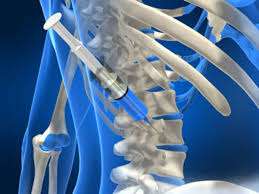
This malignancy arises in the bladder lining often presenting significant diagnostic challenges. Early detection plays a vital role in successful treatment outcomes.
- The most frequent signs include blood in urine (hematuria), frequent urination with urgency but minimal output, painful urination, and lower back pain if advanced stages progress.
- Diagnosing bladder cancer typically involves cystoscopy along with biopsy procedures which allow direct visualization inside the bladder.
- Treatment strategies depend on cancer stage but may involve surgical resection followed by chemotherapy or immunotherapy components.
- Attending routine follow-ups post-treatment remains essential for monitoring potential recurrence rates.
Awareness regarding bladder cancer symptoms encourages proactive screening which could save lives through timely intervention!
ERECTILE DYSFUNCTION

Erectile dysfunction (ED) refers to difficulty achieving or maintaining an erection sufficient for sexual intercourse. While common among men of various ages, it may also signal underlying health issues requiring attention.
- The most prevalent symptoms consist of reduced sexual desire or inability to sustain an erection during intimate moments.
- A medical history review along with blood tests may aid in identifying potential causes such as hormonal imbalances or cardiovascular problems.
- Treatment approaches vary widely from medication adjustments and therapy options to medical devices depending on individual scenarios.
- Addressing lifestyle factors such as smoking cessation or weight management can also contribute positively.
Taking action on ED not only enhances sexual satisfaction but can also be indicative of broader health considerations that should not be overlooked.
TESTICULAR TORSION

This urgent condition occurs when a testicle twists around its spermatic cord, cutting off blood supply. Immediate medical attention is paramount as testicular torsion can lead to loss of the affected testicle if not addressed quickly.
- Main symptoms include sudden intense scrotal pain, swelling, nausea, and sometimes fever.
- A thorough physical examination alongside an ultrasound helps confirm diagnosis swiftly due to its acute nature.
- Surgery is typically required to untwist the cord and restore circulation; sometimes fixation is necessary to prevent recurrence.
- Pain relief during recovery is managed with medication prescribed by healthcare providers.
If you experience symptoms of testicular torsion, seek emergency care without delay for the best outcome!
PROSTATE ENLARGEMENT (BENIGN PROSTATIC HYPERPLASIA)

The prostate gland may enlarge with age, a condition known as benign prostatic hyperplasia (BPH). This enlargement can lead to various urinary problems that affect quality of life significantly.
- Common symptoms include difficulty starting urination, weak stream, dribbling at the end of urination, and increased nighttime urination.
- A comprehensive evaluation including physical exams and ultrasound can assist in diagnosing BPH accurately.
- Treatment options range from lifestyle changes and medications to minimally invasive procedures if symptoms are severe.
- Regular monitoring is important for managing symptoms and assessing any changes over time.
Understanding BPH can help patients make informed decisions about their treatment journey.
URINARY TRACT INFECTION (UTI)

A urinary tract infection occurs when bacteria enter the urinary system, leading to inflammation and discomfort. UTIs are common but can lead to severe complications if left untreated.
- Symptoms often include a burning sensation during urination, frequent urge to urinate, cloudy urine, and pelvic pain.
- Diagnosis is straightforward via urine analysis that detects bacteria or blood.
- Treatment generally consists of antibiotics tailored to eradicate the infection quickly and effectively.
- Staying hydrated and maintaining hygiene practices can help reduce recurrence risks after initial treatment.
If you're experiencing signs of a UTI, prompt consultation is vital for a swift resolution.
KIDNEY STONES

Kidney stones are hard deposits formed within the kidneys, often made of minerals and salts. These stones can be quite painful and may lead to significant discomfort when passing through the urinary tract.
- Common symptoms include severe pain in the back or side, blood in urine, frequent urination, and nausea.
- Diagnosis typically involves imaging tests such as X-rays or CT scans to locate the stones.
- Treatment options might include increased fluid intake to help pass smaller stones, medications to manage pain, or procedures like lithotripsy for larger stones.
- After treatment, it’s essential to monitor dietary habits to prevent future stone formation.
If you suspect kidney stones, professional evaluation is crucial for effective management and relief.