
Dr Saurabh Mathu
About Me
Dr Saurabh Mathu
MBBS
General Physician
10 Years Experience
Biography
My Clinic
OPD Hours
| Monday | Morning | 10:00 AM | - | 02:00 PM |
| Evening | 06:00 PM | - | 09:00 PM | |
| Tuesday | Morning | 10:00 AM | - | 02:00 PM |
| Evening | 06:00 PM | - | 09:00 PM | |
| Wednesday | Morning | 10:00 AM | - | 02:00 PM |
| Evening | 06:00 PM | - | 09:00 PM | |
| Thursday | Morning | 10:00 AM | - | 02:00 PM |
| Evening | 06:00 PM | - | 09:00 PM | |
| Friday | Morning | 10:00 AM | - | 02:00 PM |
| Evening | 06:00 PM | - | 09:00 PM | |
| Saturday | Morning | 10:00 AM | - | 02:00 PM |
| Evening | 06:00 PM | - | 09:00 PM | |
| Sunday | Morning | 10:00 AM | - | 02:00 PM |
| Evening | 06:00 PM | - | 09:00 PM |
Treatments
Specialised care and treatments offered
REGULAR HEALTH CHECKUPS
A regular health checkup serves as a cornerstone in preventive medicine by allowing healthcare providers to identify potential problems before they develop into more serious conditions. Establishing a routine enhances overall well-being through early intervention strategies whenever necessary
< ul style='list-style-type:square;' class='checkup-list'> < li style='margin-bottom:5px;'> Description: A thorough evaluation includes medical history reviews alongside physical examinations focusing on general fitness indicators such as weight measurements indicated by BMI calculations combined with cardiovascular assessments (blood pressure & heart rate).ALLERGY ASSESSMENT

An allergy assessment evaluates potential allergens that could trigger allergic reactions or chronic conditions like asthma. Identifying these triggers enables effective management strategies tailored to individual needs.
- Symptoms: Symptoms vary widely but may include sneezing, itching, skin rashes, or gastrointestinal distress during exposure to allergens.
- Causes: Environmental factors such as pollen, dust mites, pet dander, or certain foods often contribute to allergies.
- Diagnosis: Skin prick tests or specific IgE blood tests help pinpoint allergies based on reactions observed during testing procedures.
The process involves careful monitoring of symptoms post-exposure to confirmed allergens—allowing tailored management plans aiming at reducing triggers whenever possible while maintaining quality of life through avoidance strategies.
PREVENTIVE VACCINATIONS

The importance of vaccines cannot be overstated; they play a critical role in preventing infectious diseases and protecting public health. Staying up-to-date on vaccinations is essential for individuals of all ages.
- Symptoms: Vaccination prevents illness rather than treating symptoms once they occur.
- Causes: Vaccine-preventable diseases spread easily among unvaccinated populations.
- Diagnosis: Immunization records help identify missing vaccines based on age and health history.
- Treatment Options: Vaccines like flu shots and Tdap serve as primary preventive measures against infections.
- What to Expect: Side effects from vaccinations are typically mild and resolve quickly while yielding long-lasting immunity against diseases.
The commitment to vaccination not only protects you but also contributes to community immunity by reducing disease spread.
CHOLESTEROL SCREENING
Lipid abnormalities can significantly increase your risk of heart disease. Cholesterol screening is an important preventive measure that helps assess cardiovascular health over time.
- Symptoms: High cholesterol typically presents no symptoms but increases the risk of heart-related issues.
- Causes: Diet high in saturated fats, lack of physical activity, obesity, and genetics are common contributors.
- Diagnosis: A blood test measures lipid levels—total cholesterol, LDL (bad cholesterol), HDL (good cholesterol), and triglycerides.
- Treatment Options:Lifestyle changes including diet improvements and exercise are fundamental; medications may be necessary for some individuals.
- What to Expect: With consistent monitoring and appropriate interventions, cholesterol levels can be managed effectively to lower heart disease risks.
Early detection through regular screenings creates opportunities for timely interventions that support lasting health.
DIABETES SCREENING

Diabetes is a metabolic disorder characterized by high blood sugar levels. Early diagnosis through routine screening is vital for effective management and prevention of complications.
- Symptoms: Increased thirst, frequent urination, and unexplained weight loss can indicate diabetes.
- Causes: Factors include obesity, physical inactivity, and family history.
- Diagnosis: Blood tests such as fasting glucose or HbA1c assess levels and provide diagnostic insight.
- Treatment Options: Lifestyle modifications combined with medication can control blood sugar levels effectively.
- What to Expect: Ongoing management and regular check-ups are essential to prevent long-term complications like neuropathy or cardiovascular issues.
A proactive approach to diabetes can lead to a healthier life with fewer complications. Regular screenings are your best defense.
HYPERTENSION MANAGEMENT
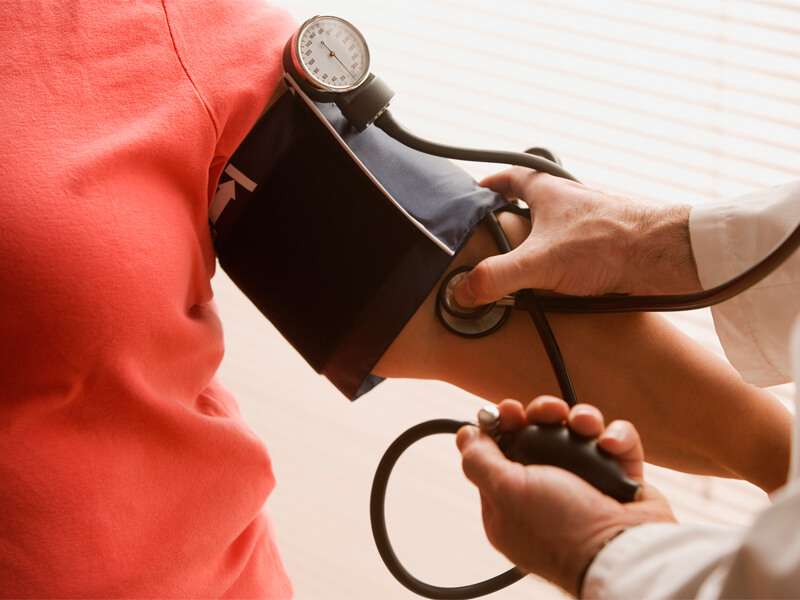
Hypertension, or high blood pressure, is a common condition that can lead to serious health complications if left untreated. It often has no symptoms, making regular screenings essential for early detection.
- Symptoms: Usually asymptomatic but may occasionally cause headaches or dizziness.
- Causes: Factors include a sedentary lifestyle, poor diet, and genetic predisposition.
- Diagnosis: Blood pressure readings taken at multiple visits confirm hypertension.
- Treatment Options: Lifestyle changes such as diet and exercise are first-line approaches, along with medications when necessary.
- What to Expect: Regular monitoring can help manage levels effectively and minimize risks of heart disease or stroke.
Managing hypertension is crucial for long-term health. Regular check-ups enhance the effectiveness of treatment strategies.