
Dr Saurabh Shah
About Me
Dr Saurabh Shah
Dermatologist
Biography
My Clinic
OPD Hours
| Tuesday | Morning | 10:00 AM | - | 02:00 PM |
| Evening | 06:00 PM | - | 09:00 PM | |
| Wednesday | Morning | 10:00 AM | - | 02:00 PM |
| Evening | 06:00 PM | - | 09:00 PM | |
| Thursday | Morning | 10:00 AM | - | 02:00 PM |
| Evening | 06:00 PM | - | 09:00 PM | |
| Friday | Morning | 10:00 AM | - | 02:00 PM |
| Evening | 06:00 PM | - | 09:00 PM | |
| Saturday | Morning | 10:00 AM | - | 02:00 PM |
| Evening | 06:00 PM | - | 09:00 PM | |
| Sunday | Morning | 10:00 AM | - | 02:00 PM |
| Evening | 06:00 PM | - | 09:00 PM | |
| Thursday | Morning | 10:00 AM | - | 02:00 PM |
| Evening | 06:00 PM | - | 09:00 PM |
Treatments
Specialised care and treatments offered
ROSACEA
This chronic condition primarily affects facial skin causing redness and visible blood vessels alongside bumps resembling acne. Understanding rosacea helps manage flare-ups effectively across different age groups experiencing its effects at varying levels.
User-friendly diagnosis through observation along with patient histories reveals essential details about each individual case aiding customized management plans crucial for optimal control over discomfort levels.- |--| Focus on Customized Control ||----|--|-----|----------**/>
SKIN CANCER SCREENING
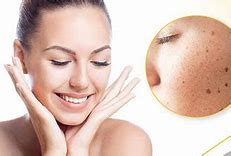
A proactive approach towards skin cancer includes regular screenings which are vital for early detection. By identifying potential issues promptly through visual examinations, patients increase their chances of successful outcomes significantly.
ECZEMA (ATOPIC DERMATITIS)
Eczema is a prevalent inflammatory skin disease characterized by itchy and inflamed patches of skin. It most commonly affects children but can persist into adulthood or appear later in life.
- Symptoms: Symptoms typically include itchy rashes that may become red or brownish-gray in color on various areas such as the hands, feet, ankles, wrists, neck, upper chest, eyelids, inside the bend of elbows and knees.
- Causes: The exact cause remains unclear but likely involves genetic factors combined with environmental irritants triggering flare-ups.
- Diagnosis: A dermatologist will examine the affected areas along with assessing personal and family medical history for proper diagnosis.
- Treatment Options: Management strategies often include moisturizers alongside corticosteroid creams to reduce inflammation during flare-ups.
PSORIASIS
This chronic autoimmune condition leads to rapid skin cell production which results in red patches covered with thick, silvery scales. Psoriasis affects individuals differently and can appear anywhere on the body.
- Symptoms: Common signs include dry red patches of skin covered with thick scales that may crack and bleed.
- Causes: It is believed that genetic factors play a significant role while environmental triggers like stress or infections can exacerbate symptoms.
- Diagnosis: Diagnosis usually involves a physical examination followed by discussions regarding family history and symptom patterns.
- Treatment Options: Treatments might involve topical ointments, phototherapy, or systemic medications aimed at reducing inflammation.
- What to Expect: Some people find remission periods where symptoms subside significantly; ongoing management may still be necessary.
Your engagement in managing this condition can lead to improved quality of life through tailored treatments.
ACNE
Acne is a common skin condition that affects individuals of all ages, often leading to emotional distress and self-esteem issues. It arises when hair follicles become clogged with oil and dead skin cells, resulting in various types of lesions.
- Symptoms: These can include blackheads, whiteheads, pustules, and cysts on the face, back, and shoulders.
- Causes: Factors such as hormonal changes, genetics, and certain medications can trigger acne outbreaks.
- Diagnosis: A dermatologist will typically assess the skin's appearance and may inquire about medical history to diagnose the condition.
- Treatment Options: Management can range from topical retinoids and antibiotics to more advanced therapies like laser treatment or isotretinoin for severe cases.
- What to Expect: With appropriate treatment, many patients experience significant improvement; however, it can take weeks to months to see results.
Your journey towards clearer skin begins with understanding your unique situation and following an effective treatment plan.