
Dr Savita Agrawa
About Me
Dr Savita Agrawa
MD
Dermatologist
10 Years Experience
Biography
My Clinic
OPD Hours
| Monday | Morning | 10:00 AM | - | 02:00 PM |
| Evening | 06:00 PM | - | 09:00 PM | |
| Tuesday | Morning | 10:00 AM | - | 02:00 PM |
| Evening | 06:00 PM | - | 09:00 PM | |
| Wednesday | Morning | 10:00 AM | - | 02:00 PM |
| Evening | 06:00 PM | - | 09:00 PM | |
| Thursday | Morning | 10:00 AM | - | 02:00 PM |
| Evening | 06:00 PM | - | 09:00 PM | |
| Friday | Morning | 10:00 AM | - | 02:00 PM |
| Evening | 06:00 PM | - | 09:00 PM | |
| Saturday | Morning | 10:00 AM | - | 02:00 PM |
| Evening | 06:00 PM | - | 09:00 PM | |
| Sunday | Morning | 10:00 AM | - | 02:00 PM |
| Evening | 06:00 PM | - | 09:00 PM |
Treatments
Specialised care and treatments offered
HAIR LOSS DIAGNOSIS & TREATMENT
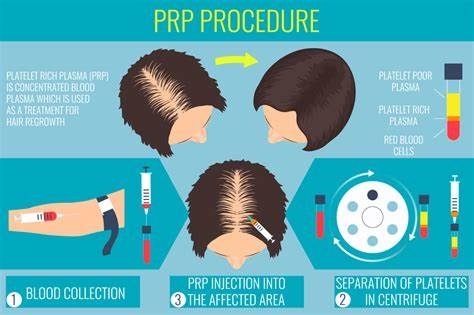
Hair loss can impact self-esteem significantly but understanding its causes allows effective management. It ranges from temporary shedding to permanent baldness depending on underlying factors involved.
- ( < strong )Common causes( / strong ): Androgenetic alopecia (pattern baldness), telogen effluvium linked with stress or illness; alopecia areata caused by autoimmune attack on hair follicles. ( ) ( < strong )Diagnosis involves( / strong ): Thorough clinical history taking including family background ; scalp examination ; sometimes biopsy or blood tests needed. ( )( < strong )Treatment options( / strong ): Minoxidil topical solution promotes regrowth ; finasteride oral medication effective in androgenetic alopecia ; corticosteroid injections used for alopecia areata; addressing nutritional deficiencies important in some cases.( )( < strong )Patient expectations( / strong ): Response varies based on cause; early intervention improves chances for favorable outcomes.( )
MOLE EVALUATION & MONITORING
Moles (nevi) are benign proliferations of melanocytes usually appearing as small brown spots on the skin. While most moles are harmless, regular monitoring is crucial for detecting potential malignancy early.
- Normal features : Uniform color ranging from tan to dark brown , symmetrical shape , diameter less than 6 mm .
- Warning signs (ABCDE rule): Asymmetry , Border irregularity , Color variation , Diameter enlargement , Evolution over time warrant prompt medical review .
- Evaluation process : Dermoscopic examination provides enhanced visualization patterns aiding differentiation between benign versus suspicious lesions .
- Follow-up recommendations : Periodic checks every 6-12 months depending on individual risk profile ; photographic documentation assists tracking changes accurately.
A vigilant approach toward mole assessment supports early intervention if melanoma develops while ensuring peace of mind regarding benign nevi presence.
ATOPIC DERMATITIS MANAGEMENT

This chronic inflammatory condition commonly known as eczema causes dry, itchy patches affecting different body areas including face, hands, and flexural surfaces. It often begins in childhood but can persist into adulthood.
- Symptoms : Intense itching accompanied by redness , scaling , cracking , or thickened skin over time .
- Triggers : Environmental allergens , irritants like soaps , stress , temperature changes may exacerbate symptoms .
- Diagnosis : Based primarily on clinical features ; patch testing may be performed if allergic contact dermatitis is suspected .
- Treatment options : Emollient moisturizers form the mainstay ; topical corticosteroids or calcineurin inhibitors used during flare-ups ; antihistamines may relieve itch .
- Long-term care : Avoidance of known triggers combined with consistent skincare routines helps control disease activity .
Managing atopic dermatitis effectively reduces discomfort and prevents secondary infections through maintenance therapy tailored to individual needs .
SKIN CANCER PREVENTION & EARLY DETECTION
Skin cancer remains one of the most preventable types of cancer when detected early. It arises from uncontrolled growth of abnormal skin cells due to DNA damage often caused by ultraviolet (UV) radiation exposure.
- Risk factors: Excessive sun exposure without protection, fair skin type, history of sunburns, family history of skin cancer.
- Signs to watch for: New or changing moles or spots that differ in size, shape or color; sores that do not heal; lesions with irregular borders or multiple colors.
- Screening methods: Full skin examination by a dermatologist using dermoscopy improves early identification of suspicious lesions requiring further evaluation or biopsy.
- Preventive strategies: Using broad-spectrum sunscreen daily SPF 30+, wearing protective clothing and seeking shade during peak sunlight hours are essential steps in risk reduction.
Timely diagnosis and preventive care significantly reduce morbidity associated with malignant melanoma and non-melanoma skin cancers alike.
PSORIASIS SCREENING AND CARE
Psoriasis is a chronic autoimmune disorder characterized by accelerated skin cell production leading to thickened patches known as plaques. It often affects elbows, knees, scalp, and lower back.
- Symptoms: Red or pink plaques covered by silvery scales that may itch or crack; nail changes can also occur.
- Causes: Involves genetic predisposition combined with immune system dysfunction triggering rapid cell turnover.
- Diagnosis: Visual assessment supplemented in some cases by skin biopsy confirms typical findings.
- Treatments: Topical corticosteroids, vitamin D analogs, phototherapy (UVB light), systemic agents including biologics for moderate to severe cases are frequently used approaches.
- Monitoring: Regular evaluations help tailor therapy to reduce flare-ups while minimizing side effects from long-term treatments.
A comprehensive approach enhances quality of life by controlling symptoms and preventing complications associated with this lifelong condition.
ACNE VULGARIS MANAGEMENT
Acne vulgaris is a common skin condition that primarily affects the face, chest, and back. It occurs when hair follicles become clogged with oil and dead skin cells, leading to pimples, blackheads, and whiteheads.
- Causes: Overproduction of sebum, hormonal changes, bacteria proliferation (Propionibacterium acnes), and inflammation contribute to acne development.
- Symptoms: Presence of comedones (blackheads and whiteheads), inflamed papules, pustules, cysts, and possible scarring if untreated.
- Diagnosis: Clinical examination by a dermatologist analyzing lesion type and distribution on the skin.
- Treatment options: Includes topical retinoids, antibiotics, benzoyl peroxide, oral medications like isotretinoin for severe cases, and lifestyle adjustments such as gentle skincare routines.
- Expectations: Improvement often takes weeks; adherence to treatment and follow-up visits are important to minimize scarring and control outbreaks.
Proper management supports clearer skin and helps prevent permanent damage from acne-related inflammation.