
Dr Seema Behl
About Me
Dr Seema Behl
General Physician
Biography
My Clinic
OPD Hours
| Tuesday | Morning | 10:00 AM | - | 02:00 PM |
| Evening | 06:00 PM | - | 09:00 PM | |
| Wednesday | Morning | 10:00 AM | - | 02:00 PM |
| Evening | 06:00 PM | - | 09:00 PM | |
| Thursday | Morning | 10:00 AM | - | 02:00 PM |
| Evening | 06:00 PM | - | 09:00 PM | |
| Friday | Morning | 10:00 AM | - | 02:00 PM |
| Evening | 06:00 PM | - | 09:00 PM | |
| Saturday | Morning | 10:00 AM | - | 02:00 PM |
| Evening | 06:00 PM | - | 09:00 PM | |
| Sunday | Morning | 10:00 AM | - | 02:00 PM |
| Evening | 06:00 PM | - | 09:00 PM | |
| Thursday | Morning | 10:00 AM | - | 02:00 PM |
| Evening | 06:00 PM | - | 09:00 PM |
Treatments
Specialised care and treatments offered
SEASONAL ALLERGIES
If you find yourself sneezing frequently during certain times of the year it could be due to seasonal allergies caused by pollen from trees , grasses , or weeds triggering immune reactions within your body resulting discomfort .
- Symptoms: Common manifestations include itchy eyes , runny nose , nasal congestion , coughing , rashes even fatigue depending upon severity affecting daily routines adversely if left unmanaged .
- Diagnosis : Assessment through patient history coupled with allergy testing helps ascertain specific triggers prompting allergic reactions
- Management strategies : Antihistamines offer relief alongside avoiding exposure where possible while immunotherapy provides long-term solutions tailored according individual needs .
Staying informed about potential allergens coupled with proper treatment enables effective control over seasonal allergy symptoms helping ensure better quality living !
ANEMIA

Anemia occurs when your blood lacks enough healthy red blood cells or hemoglobin. This deficiency leads to reduced oxygen transport throughout the body and can result from various underlying conditions.
- Causes: Nutritional deficiencies (iron-deficiency anemia) due to inadequate dietary intake or absorption issues contribute significantly as well as chronic diseases affecting red cell production.
- Symptoms: Fatigue , weakness , pale skin , dizziness , loss of stamina during physical activities among others may indicate anemia's presence .
- Diagnosis: Blood tests measuring hemoglobin levels alongside additional tests helps determine the precise type & cause behind anemia.
- Treatment options: Addressing nutritional deficiencies through iron supplements while encouraging diet rich in iron sources forms backbone treatments though underlying causes must also be treated accordingly.
Effective management ultimately improves energy levels while enhancing overall health for those impacted by anemia!
GASTROESOPHAGEAL REFLUX DISEASE (GERD)

This chronic digestive condition occurs when stomach acid frequently flows back into the esophagus. GERD requires careful management to prevent complications over time.
- Main symptoms: Commonly includes heartburn, regurgitation of food or sour liquid, difficulty swallowing (dysphagia), and chronic cough among others.
- Causative factors: Lifestyle choices such as diet (spicy foods), office habits (prolonged sitting), obesity can exacerbate this condition significantly.
- Diagnosis process: Physicians typically perform endoscopy or pH monitoring tests alongside patient history evaluations to confirm diagnosis
An individualized treatment plan can alleviate symptoms significantly while improving overall digestive health in patients with GERD. Proper monitoring proves essential!
RESPIRATORY INFECTIONS
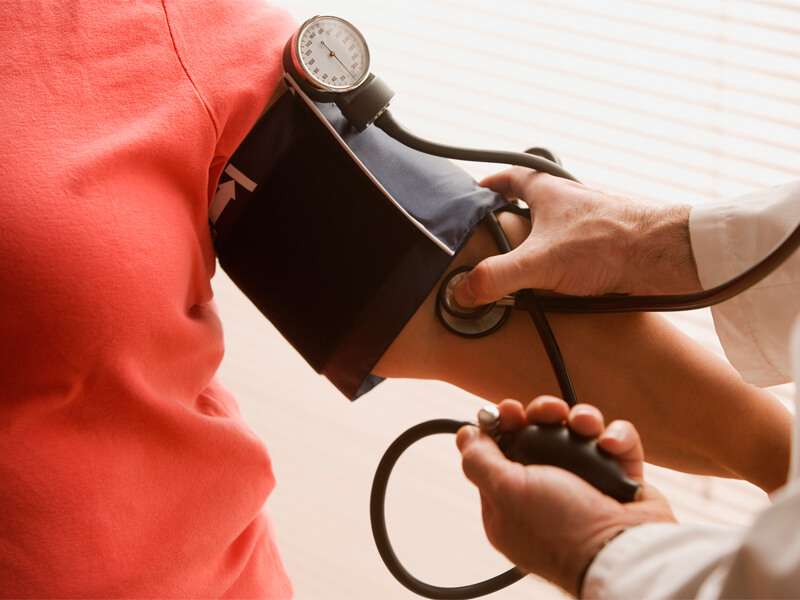
Respiratory infections affect the airways and lungs and can range from mild colds to more severe conditions like pneumonia. Understanding this spectrum is crucial for timely intervention.
- Common types: Conditions such as the common cold, bronchitis, or pneumonia fall under this category. They are often caused by viruses or bacteria.
- Symptoms: Coughing, wheezing, difficulty breathing, fever, and chest pain are prevalent symptoms that warrant attention from a healthcare professional.
- Treatment options: Management may involve rest, hydration, over-the-counter medications for symptom relief, or antibiotics for bacterial infections when necessary.
- No complications: Most respiratory infections resolve without complications; however persistent symptoms should lead you back to your physician for further evaluation.
A proper diagnosis followed by an appropriate treatment plan can promote quicker recovery from respiratory infections.
DIABETES MELLITUS

Diabetes mellitus refers to a group of diseases that affect how your body uses glucose, leading to high levels of sugar in the blood. Proper understanding and management are vital for maintaining quality of life.
- Types/Causes: The two main types are Type 1 (insulin-dependent) and Type 2 (often related to lifestyle). Risk factors include family history, obesity, and age.
- Symptoms: Increased thirst, frequent urination, extreme fatigue, and blurred vision are common early signs that should not be ignored.
- Diagnosis: A fasting blood glucose test or HbA1c test helps confirm diabetes by measuring the sugar levels over time.
- Treatment/Maintenance: Treatment strategies involve medication management (like insulin), dietary adjustments, regular physical activity, and glucose monitoring to keep levels stable.
Lifestyle interventions combined with medication can lead to effective diabetes management for many individuals.
HYPERTENSION
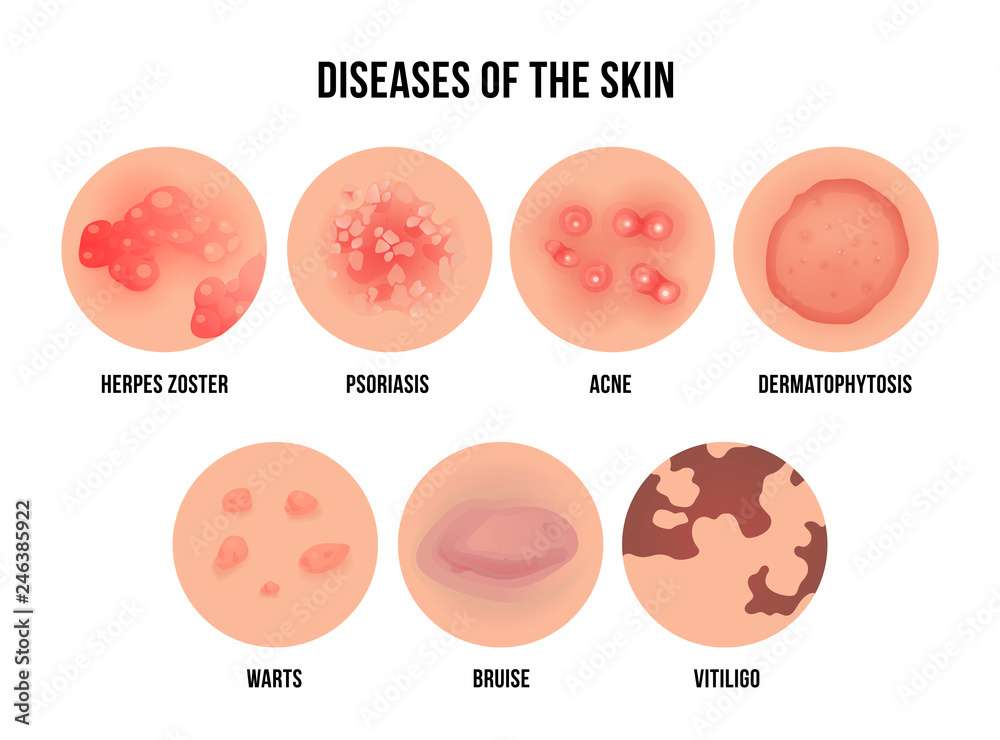
Hypertension, commonly known as high blood pressure, is a chronic medical condition that can have serious health implications if left untreated. It often goes unnoticed due to its asymptomatic nature, which makes regular screening essential.
- Symptoms/causes: While many people may not experience symptoms, headaches, shortness of breath, and nosebleeds can occur in severe cases. Factors like obesity, sedentary lifestyle, high salt intake, and genetics play a significant role.
- Diagnosis: Blood pressure is measured using a sphygmomanometer. A consistent reading of 130/80 mmHg or higher indicates hypertension and requires further investigation.
- Treatment options: Management may include lifestyle changes such as a balanced diet, regular exercise, and limiting alcohol intake. Medications like diuretics or ACE inhibitors may also be prescribed based on individual needs.
- What to expect: Regular monitoring and follow-ups are crucial for effective management. Most individuals can maintain normal blood pressure with appropriate treatment and lifestyle adjustments.
A proactive approach to managing hypertension ensures better long-term health outcomes.