
Dr Sejal Saheta
About Me
Dr Sejal Saheta
Dermatologist
Biography
My Clinic
OPD Hours
| Tuesday | Morning | 10:00 AM | - | 02:00 PM |
| Evening | 06:00 PM | - | 09:00 PM | |
| Wednesday | Morning | 10:00 AM | - | 02:00 PM |
| Evening | 06:00 PM | - | 09:00 PM | |
| Thursday | Morning | 10:00 AM | - | 02:00 PM |
| Evening | 06:00 PM | - | 09:00 PM | |
| Friday | Morning | 10:00 AM | - | 02:00 PM |
| Evening | 06:00 PM | - | 09:00 PM | |
| Saturday | Morning | 10:00 AM | - | 02:00 PM |
| Evening | 06:00 PM | - | 09:00 PM | |
| Sunday | Morning | 10:00 AM | - | 02:00 PM |
| Evening | 06:00 PM | - | 09:00 PM | |
| Thursday | Morning | 10:00 AM | - | 02:00 PM |
| Evening | 06:00 PM | - | 09:00 PM |
Treatments
Specialised care and treatments offered
ALOPECIA AREATA
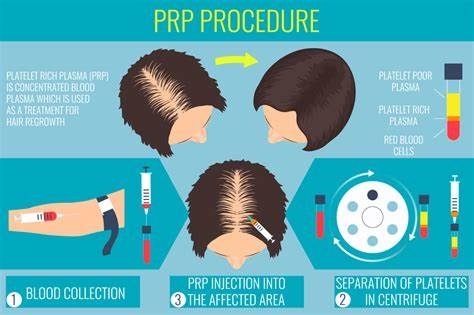
Alopecia Areata represents an autoimmune disorder wherein hair loss occurs suddenly across distinct regions - leading potentially towards total scalp baldness according severity level involved
.- Symptoms: Losses occur around small round patches located frequently among scalp areas/other regions too Causes: Not fully understood yet but identified links towards stress/immune responses alongside hereditary patterns identified so far etc . As such necessary testing ought consistent monitoring irrespective diagnosed severity
HYPERPIGMENTATION
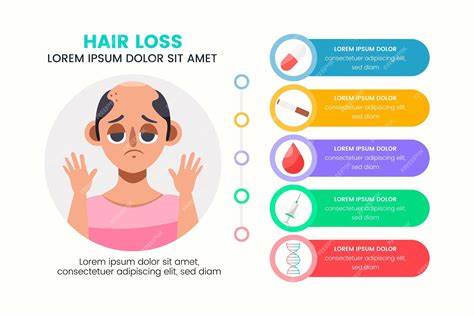
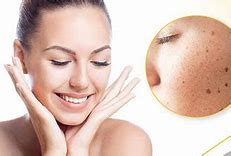
This condition results in darkened areas on the skin due to excess melanin production. Common causes include sun exposure and hormonal changes during pregnancy (often referred to as melasma).
ROSACEA
This chronic condition primarily affects facial skin causing redness and visible blood vessels. Flare-ups can be triggered by various factors including sun exposure or spicy foods.
- Symptoms: Persistent facial redness, bumps resembling acne, burning sensations on the face.
- Causes: Though the precise cause remains unclear, genetic predisposition along with environmental triggers play significant roles in its onset.
PSORIASIS
This chronic autoimmune condition causes rapid skin cell turnover leading to thick red patches covered with silvery scales. Psoriasis often has flare-ups interspersed with periods of remission.
- Symptoms: Red patches of skin covered with thick white-silver scales; often itchy or painful.
- Causes: Factors may include genetics, immune system issues, stress levels, or certain medications that exacerbate symptoms.
- Diagnosis: Dermatologists usually diagnose psoriasis through physical examination; sometimes a biopsy is done for confirmation in atypical cases.
- Treatment Options: Management includes topical treatments such as corticosteroids or vitamin D analogues; systemic medications might be prescribed in severe cases as well as phototherapy sessions.
An effective treatment regimen tailored by a healthcare provider can help keep psoriasis under control while improving overall skin appearance and health.
ECZEMA
Eczema is an inflammatory condition characterized by itchy and dry patches of skin. It often begins in childhood but can occur at any age.
- Symptoms: Dryness, itching, redness, and sometimes blisters that can ooze fluid.
- Causes: Eczema can be triggered by allergens like dust mites or pet dander, irritants like soaps or detergents, and even environmental factors like weather changes.
- Diagnosis: Diagnosis generally involves a thorough clinical evaluation of the affected areas along with patient history regarding triggers.
- Treatment Options: Management typically includes moisturizers to hydrate the skin, topical corticosteroids to reduce inflammation, and avoiding known irritants.
- What to Expect: While eczema may be a chronic condition for some individuals, proper management can lead to significant improvements in symptoms over time.
A comprehensive approach involving both medical treatment and lifestyle adjustments can greatly enhance quality of life for those living with eczema.
ACNE
Acne is a common skin condition that affects many individuals, particularly teenagers and young adults. It occurs when hair follicles become clogged with oil and dead skin cells.
- Symptoms: The presence of pimples, blackheads, and cysts on the face, back, and shoulders.
- Causes: Factors include hormonal changes, diet, stress, and genetics.
- Diagnosis: Typically assessed through physical examination; a dermatologist may inquire about personal history and skin care habits.
- Treatment Options: Management can include topical treatments like retinoids or benzoyl peroxide, oral medications such as antibiotics or hormonal therapies, and lifestyle changes geared towards better skin hygiene.
- What to Expect: With consistent treatment, improvements are often seen in a few weeks to months; however, results vary by individual.
Keen adherence to a skincare routine alongside professional guidance is essential for effective management of acne.