
Dr Shabbir Baldiwala
About Me
Dr Shabbir Baldiwala
Cardiologist
Biography
My Clinic
OPD Hours
| Tuesday | Morning | 10:00 AM | - | 02:00 PM |
| Evening | 06:00 PM | - | 09:00 PM | |
| Wednesday | Morning | 10:00 AM | - | 02:00 PM |
| Evening | 06:00 PM | - | 09:00 PM | |
| Thursday | Morning | 10:00 AM | - | 02:00 PM |
| Evening | 06:00 PM | - | 09:00 PM | |
| Friday | Morning | 10:00 AM | - | 02:00 PM |
| Evening | 06:00 PM | - | 09:00 PM | |
| Saturday | Morning | 10:00 AM | - | 02:00 PM |
| Evening | 06:00 PM | - | 09:00 PM | |
| Sunday | Morning | 10:00 AM | - | 02:00 PM |
| Evening | 06:00 PM | - | 09:00 PM | |
| Thursday | Morning | 10:00 AM | - | 02:00 PM |
| Evening | 06:00 PM | - | 09:00 PM |
Treatments
Specialised care and treatments offered
TRANSESOPHAGEAL ECHOCARDIOGRAPHY (TEE)

A transesophageal echocardiogram, or TEE, provides clearer pictures of the heart’s structures than standard echocardiograms. This specialized form involves inserting a probe into the esophagus for enhanced visualization during examination periods where clarity is crucial!
- Symptoms indicating potential need include unexplained strokes or complex congenital defects requiring thorough assessment.
- The procedure requires sedatives for comfort; it’s performed with careful monitoring by healthcare professionals throughout.
- Treatment determined from TEE findings can range from medication adjustments addressing issues identified within cardiac structures up through surgical fixes if warranted being deemed appropriate per patient needs!
- Typically taking around an hour max., benefits outweigh initial anxieties significantly given importance surrounding accuracy therein!
TEE allows us access real-time information crucial towards understanding intricacies regarding individual hearts offering insights benefitting future care direction drastically.
CARDIAC CT ANGIOGRAPHY
A cardiac CT angiography is an advanced imaging technique used to visualize blood vessels in the heart. This non-invasive method offers detailed views that assist in diagnosing coronary artery disease among other conditions.
- Pain in the chest or unexpected shortness of breath may lead physicians to recommend this test for evaluation of potential blockages or anomalies within coronary arteries.
- The diagnostic procedure generally involves administering contrast dye followed by high-resolution imaging using CT technology while lying comfortably on a table.
- Treatment strategies stemming from these findings often include medical therapy aimed at managing blood pressure and cholesterol levels or referral for more invasive procedures if necessary.
- This procedure typically takes about 30 minutes with minimal risks associated with contrast administration when done appropriately by trained professionals.
This type of imaging serves as an effective tool for early detection of coronary artery disease before severe complications arise, paving the way for timely intervention options.
STRESS TESTING
A stress test, also known as an exercise test, evaluates how well your heart responds during physical activity. This assessment can reveal issues that might not be apparent at rest.
- You may be asked about symptoms like chest pain or shortness of breath prior to undergoing a stress test.
- The process typically involves walking on a treadmill or riding a stationary bike while your heart rate and rhythm are monitored closely via electrodes placed on your chest.
- Treatment decisions post-test may range from lifestyle counseling to more intensive interventions based on your heart's performance during exertion.
- This non-invasive method helps determine functional capacity and detect any abnormalities in blood flow to the heart muscle under stress conditions.
A stress test can provide vital information about your cardiovascular fitness and help assess risks for coronary artery disease and other conditions.
HOLTER MONITOR
A Holter monitor is a portable device worn by patients to continuously monitor their heart's rhythm over 24-48 hours. It captures irregularities that might not be seen during a standard ECG.
- This monitoring is critical for individuals experiencing sporadic symptoms like palpitations, dizziness, or fainting spells.
- During this diagnostic test, electrodes are attached to the chest, connecting to a small recorder worn around the waist or neck.
- If abnormal rhythms are detected, treatment may involve lifestyle modifications or medications to manage arrhythmias effectively.
- The process allows patients to maintain their normal daily activities while providing important data about their heart function.
This investigation assists in identifying intermittent issues that could lead to more serious cardiovascular problems if left unchecked.
ECHOCARDIOGRAM
An echocardiogram uses sound waves to produce images of the heart's structure and function. This diagnostic tool is essential for evaluating heart problems without invasive procedures.
- Symptoms prompting this test may include unexplained fatigue, swelling in extremities, or abnormal heart sounds.
- The diagnosis process involves using ultrasound technology to visualize cardiac chambers and valves in real-time.
- Treatment options depend on findings; they could involve medication adjustments or surgical interventions if significant issues are detected.
- It is a safe procedure that usually lasts between 30-60 minutes with no preparation needed beforehand.
The echocardiogram is invaluable for diagnosing conditions such as valve disorders or cardiomyopathy without exposing patients to radiation.
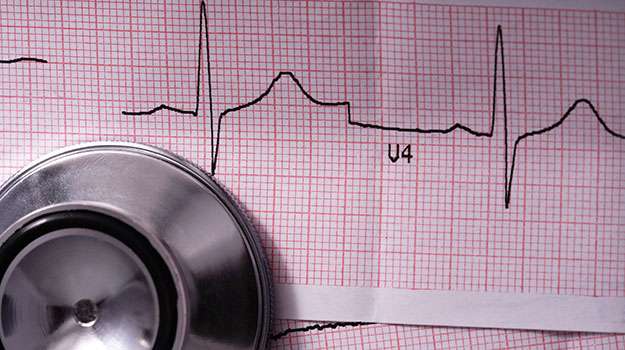
ELECTROCARDIOGRAM (ECG)
An electrocardiogram (ECG) is a quick and painless test that measures the electrical activity of your heart. It helps in diagnosing various heart conditions by recording the waves produced by the heart.
- Common symptoms include chest pain, shortness of breath, dizziness, and palpitations.
- Diagnosis involves placing electrodes on the skin to track heart rhythms over a few minutes.
- Treatment may vary based on the results; possible management includes lifestyle changes, medications, or further tests.
- Patients can expect a simple procedure without any discomfort, typically lasting around 10 minutes.
This non-invasive test provides critical insights into your heart’s health and can guide further treatment plans.