
Dr Shah Purvi
About Me
Dr Shah Purvi
Cardiologist
Biography
My Clinic
OPD Hours
| Tuesday | Morning | 10:00 AM | - | 02:00 PM |
| Evening | 06:00 PM | - | 09:00 PM | |
| Wednesday | Morning | 10:00 AM | - | 02:00 PM |
| Evening | 06:00 PM | - | 09:00 PM | |
| Thursday | Morning | 10:00 AM | - | 02:00 PM |
| Evening | 06:00 PM | - | 09:00 PM | |
| Friday | Morning | 10:00 AM | - | 02:00 PM |
| Evening | 06:00 PM | - | 09:00 PM | |
| Saturday | Morning | 10:00 AM | - | 02:00 PM |
| Evening | 06:00 PM | - | 09:00 PM | |
| Sunday | Morning | 10:00 AM | - | 02:00 PM |
| Evening | 06:00 PM | - | 09:00 PM | |
| Thursday | Morning | 10:00 AM | - | 02:00 PM |
| Evening | 06:00 PM | - | 09:00 PM |
Treatments
Specialised care and treatments offered
CARDIAC REHABILITATION PROGRAM

This specialized program aids patients recovering from cardiac events by focusing on exercise training and education regarding lifestyle changes necessary for recovery and prevention of future issues.
- Benefits: Improved physical fitness enhances overall cardiac performance during daily activities.
- Education: Patients learn about their condition which promotes better self-management practices leading towards healthier decisions related to food & exercises at home post-rehabilitation .
The coordinated efforts between healthcare providers ensure support throughout the rehabilitation journey fostering better long-term outcomes for patients dealing with cardiovascular concerns.
LIFESTYLE COUNSELING FOR CARDIOVASCULAR HEALTH
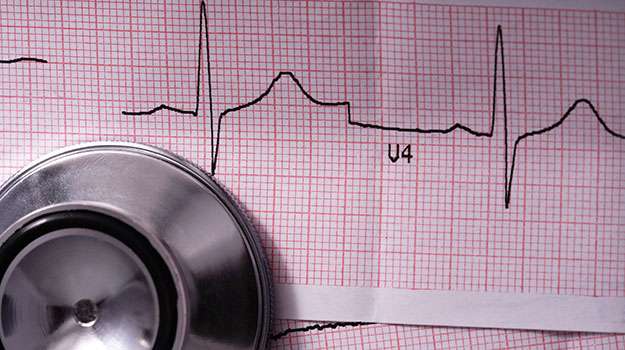
Making healthy lifestyle choices is foundational in preventing cardiovascular diseases. Education on improving lifestyle habits is vital in promoting long-term heart health.
- Diet modification: Emphasizing whole grains, lean proteins, fruits & vegetables while reducing saturated fats supports cardiovascular function.
- Physical activity: At least 150 minutes per week of moderate aerobic exercise enhances heart health significantly.
- Smoking cessation: Quitting smoking greatly reduces risks associated with cardiovascular diseases.
Engaging in regular health screenings coupled with tailored advice empowers individuals towards maintaining a robust heart health regimen.
ATRIAL FIBRILLATION CARE
Atrial fibrillation (AFib) is an irregular heartbeat that can lead to complications if not managed properly. Being informed about AFib helps in effective monitoring and care strategies.
- Symptoms: Palpitations, dizziness, chest pain or fatigue might be experienced; however, some individuals remain asymptomatic.
- Diagnosis: An ECG (electrocardiogram) is typically used for detecting AFib by monitoring the heart's electrical activity.
- Treatment approaches: Lifestyle adjustments including stress reduction techniques are encouraged alongside medications such as anticoagulants or rate control agents for rhythm management.
HEART FAILURE MANAGEMENT
Heart failure occurs when the heart cannot pump enough blood to meet the body’s needs. Understanding this condition is crucial for effective management and improving quality of life.
- Symptoms: Common signs include shortness of breath, fatigue, swollen legs or ankles due to fluid retention.
- Risk factors: Conditions like high blood pressure, diabetes, or previous heart attacks increase the likelihood of developing heart failure.
- Treatment options: Lifestyle modifications such as sodium restriction and physical activity are advised. Medications like beta-blockers may improve heart function and overall health.
- Regular assessments: Monitoring symptoms and adjusting treatment plans with your healthcare provider ensures optimal management of the condition.
A comprehensive approach to managing heart failure fosters better outcomes and enhances daily living for affected individuals.
CHOLESTEROL MANAGEMENT
High cholesterol levels can lead to various cardiovascular diseases if not addressed. Understanding how to manage cholesterol is key to preventing heart issues.
- Causes: Genetics, poor diet, lack of exercise, and obesity can contribute to elevated cholesterol levels.
- Symptoms: High cholesterol typically has no symptoms; regular screenings help detect it early.
- Treatment: A heart-healthy diet rich in fruits and vegetables, coupled with regular exercise, often helps lower cholesterol. Medications like statins may also be prescribed based on individual risk factors.
- Follow-up care: Routine blood tests track cholesterol levels and adjust treatment plans as needed.
By actively managing cholesterol through lifestyle changes and medical guidance, individuals can significantly reduce their risk of heart disease.
HYPERTENSION MANAGEMENT
Hypertension, also known as high blood pressure, is a common condition that can lead to serious health issues if left untreated. Proper management is essential to reduce the risk of heart disease and stroke.
- Symptoms: Many individuals may not experience noticeable symptoms, making regular check-ups vital.
- Diagnosis: Blood pressure is measured using a sphygmomanometer; readings at or above 130/80 mm Hg indicate hypertension.
- Treatment: Lifestyle changes such as diet modifications, increased physical activity, and weight loss are often recommended first. If necessary, medications like diuretics or ACE inhibitors may be prescribed.
- Monitoring: Regular follow-ups are crucial to ensure your blood pressure remains within a healthy range.
Managing hypertension effectively improves quality of life and lowers health risks, making it essential for overall well-being.