
Dr Shahid I Barmare
About Me
Dr Shahid I Barmare
General Physician
Biography
My Clinic
OPD Hours
| Tuesday | Morning | 10:00 AM | - | 02:00 PM |
| Evening | 06:00 PM | - | 09:00 PM | |
| Wednesday | Morning | 10:00 AM | - | 02:00 PM |
| Evening | 06:00 PM | - | 09:00 PM | |
| Thursday | Morning | 10:00 AM | - | 02:00 PM |
| Evening | 06:00 PM | - | 09:00 PM | |
| Friday | Morning | 10:00 AM | - | 02:00 PM |
| Evening | 06:00 PM | - | 09:00 PM | |
| Saturday | Morning | 10:00 AM | - | 02:00 PM |
| Evening | 06:00 PM | - | 09:00 PM | |
| Sunday | Morning | 10:00 AM | - | 02:00 PM |
| Evening | 06:00 PM | - | 09:00 PM | |
| Thursday | Morning | 10:00 AM | - | 02:00 PM |
| Evening | 06:00 PM | - | 09:00 PM |
Treatments
Specialised care and treatments offered
PERIODIC HEALTH CHECK-UPS
Periodic health check-ups serve as proactive measures toward maintaining one's overall well-being. These visits allow healthcare providers to identify potential health issues early before they develop into significant concerns!
- No symptoms might prompt these appointments; however vital assessments including weight checks & vital statistic measurements can reveal hidden ailments!
ACUTE RESPIRATORY INFECTIONS

Acute respiratory infections (ARIs) represent one of the most common reasons people seek medical attention. They can range from mild colds to severe pneumonia impacting daily life and overall health significantly.
- Typical symptoms include coughing, fever, sore throat, and fatigue; recognizing these signs early aids in timely intervention.
- Diagnosis often involves clinical evaluation along with chest X-rays or sputum tests where necessary to rule out more serious conditions such as pneumonia.
- Treatment primarily focuses on symptom relief with rest, hydration, over-the-counter medications for pain relief while antibiotics might be prescribed if a bacterial infection is suspected!
Catching ARIs early allows better treatment outcomes while averting potential complications associated with prolonged untreated illnesses!
THYROID FUNCTION EVALUATION
The thyroid gland plays a critical role in regulating metabolism through hormone production. Evaluating its function is key for detecting disorders like hypothyroidism or hyperthyroidism early on.
- A patient may have symptoms like weight fluctuations, fatigue, or changes in heart rate that could indicate thyroid dysfunction necessitating evaluation.
- The diagnosis generally involves blood tests measuring TSH (Thyroid Stimulating Hormone) alongside free T4 levels to assess overall function accurately.
- Treatment may involve hormone replacement therapy for hypothyroidism or antithyroid medications for excessive hormone production in hyperthyroidism cases.
Persistent follow-up testing ensures effective management of thyroid conditions while minimizing complications over time.
CHOLESTEROL SCREENING
Cholesterol screening is an essential diagnostic tool for assessing cardiovascular health. High cholesterol levels can lead to atherosclerosis and increase heart attack risk if left unchecked.
- Individuals may not experience noticeable signs; however, symptoms like chest pain can arise due to advanced conditions caused by high cholesterol.
- A simple blood test known as a lipid panel measures different types of cholesterol in your bloodstream. Regular screenings are recommended based on age and risk factors.
- If high cholesterol is detected, management often includes dietary changes to reduce saturated fats along with statin medications when necessary.
- Lifestyle interventions such as increased physical activity can greatly improve overall cholesterol levels and heart health.
Routine screening is vital for early intervention and maintaining cardiovascular well-being throughout life.
DIABETES MANAGEMENT

Diabetes is a chronic condition that affects how your body metabolizes sugar (glucose). Understanding diabetes is crucial for managing it effectively and preventing complications.
- Common symptoms include increased thirst, frequent urination, fatigue, and blurred vision. Early detection plays a vital role in effective management.
- The diagnosis usually involves blood tests that measure glucose levels. An A1C test may also be conducted to evaluate long-term glucose control.
- Treatment includes dietary modifications, physical activity, monitoring blood sugar levels, and possibly insulin therapy or oral medications depending on the type of diabetes.
- Management focuses on maintaining stable blood sugar levels to minimize complications such as neuropathy or cardiovascular problems.
Lifelong management and education about diabetes are key to living well with the condition.
HYPERTENSION
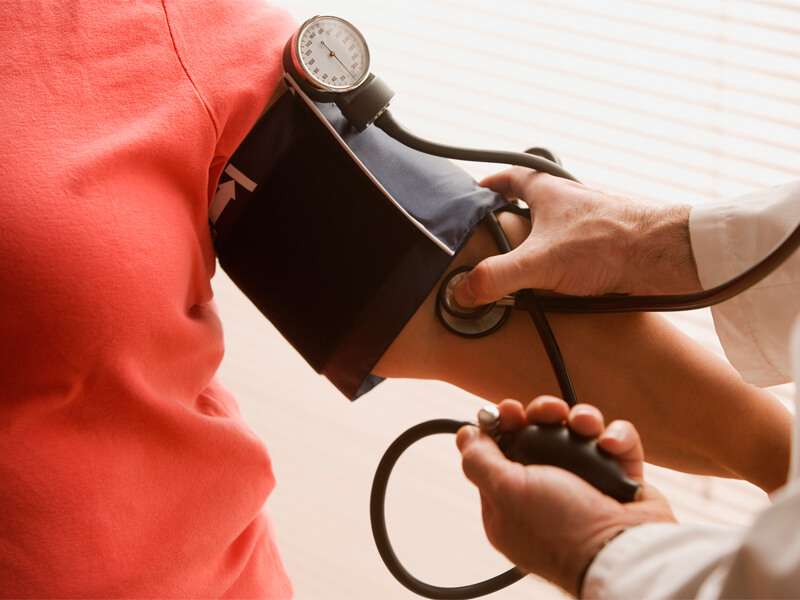
Hypertension, or high blood pressure, is a common condition that often goes unnoticed until it leads to serious health issues. It can affect anyone and is a major risk factor for heart disease and stroke.
- Symptoms may include headaches, shortness of breath, and nosebleeds, but many people experience no symptoms at all.
- It is typically diagnosed through regular blood pressure monitoring, with readings above 130/80 mmHg indicating hypertension.
- Treatment options range from lifestyle changes, like diet and exercise, to medications such as diuretics or ACE inhibitors.
- Regular check-ups are essential for management and adjusting treatment plans as needed.
- A healthy lifestyle can significantly lower your blood pressure and reduce associated risks.
Managing hypertension involves consistent monitoring and lifestyle adjustments to help maintain healthy blood pressure levels.