
Dr Shailendra Sh
About Me
Dr Shailendra Sh
MBBS
General Physician
10 Years Experience
Biography
My Clinic
OPD Hours
| Monday | Morning | 10:00 AM | - | 02:00 PM |
| Evening | 06:00 PM | - | 09:00 PM | |
| Tuesday | Morning | 10:00 AM | - | 02:00 PM |
| Evening | 06:00 PM | - | 09:00 PM | |
| Wednesday | Morning | 10:00 AM | - | 02:00 PM |
| Evening | 06:00 PM | - | 09:00 PM | |
| Thursday | Morning | 10:00 AM | - | 02:00 PM |
| Evening | 06:00 PM | - | 09:00 PM | |
| Friday | Morning | 10:00 AM | - | 02:00 PM |
| Evening | 06:00 PM | - | 09:00 PM | |
| Saturday | Morning | 10:00 AM | - | 02:00 PM |
| Evening | 06:00 PM | - | 09:00 PM | |
| Sunday | Morning | 10:00 AM | - | 02:00 PM |
| Evening | 06:00 PM | - | 09:00 PM |
Treatments
Specialised care and treatments offered
THYROID FUNCTION TESTS
The thyroid gland plays an integral role in regulating various metabolic processes in the body. Thyroid function tests help evaluate how well this gland is functioning and whether it’s producing adequate hormones.
- Symptoms/Causes: Symptoms of thyroid dysfunction can include fatigue, weight gain or loss, mood swings, and hair loss caused by hormonal imbalances affecting bodily functions.
- Diagnosis: Tests usually measure levels of Thyroid Stimulating Hormone (TSH) along with T3 and T4 hormones in the bloodstream—abnormal levels warrant further evaluation
ROUTINE BLOOD TESTS
This proactive approach plays a vital role in preventative healthcare by enabling timely interventions when necessary.
DIABETES SCREENING

Diabetes is a chronic condition that occurs when the body either does not produce enough insulin or cannot effectively use the insulin it produces. Early detection through screening is essential for effective management and prevention of complications.
- Symptoms/Causes: Symptoms may include frequent urination, extreme thirst, fatigue, and blurred vision. Risk factors can involve a family history of diabetes, obesity, and inactivity.
- Diagnosis: A fasting blood glucose test or an A1C test is commonly used to diagnose diabetes. Elevated levels indicate impaired glucose metabolism.
- Treatment/Management: Management includes lifestyle modifications such as diet control and exercise. Medication or insulin therapy may be needed based on individual requirements.
- What to Expect: With proper management strategies in place, individuals can maintain normal blood sugar levels and minimize complications related to diabetes.
The sooner diabetes is identified, the better the chances are for effective management of this condition.
HYPERTENSION MANAGEMENT
Hypertension, commonly known as high blood pressure, is a significant health concern that can lead to serious complications if left uncontrolled. It often goes unnoticed since it usually presents no symptoms. Regular monitoring is crucial for maintaining health.
- Symptoms/Causes: While many individuals remain asymptomatic, some may experience headaches, dizziness, or nosebleeds. Common causes include obesity, excessive salt intake, and lack of physical activity.
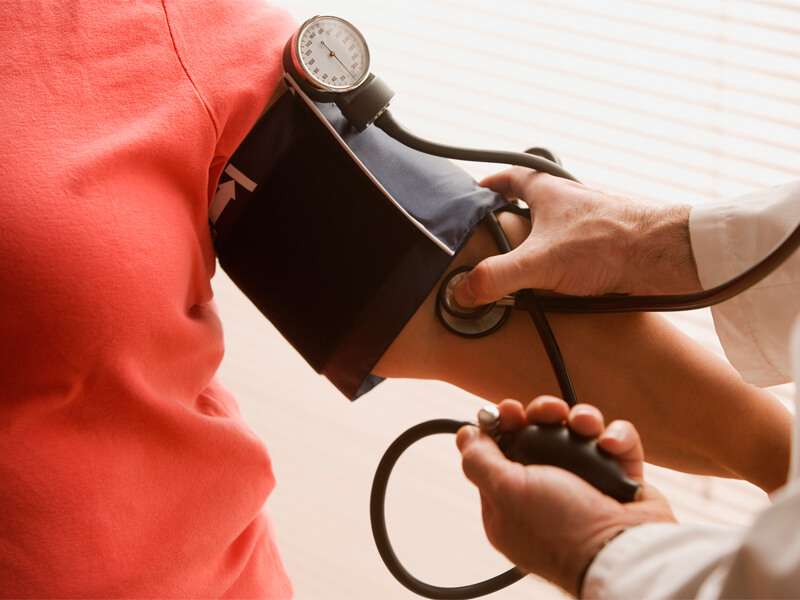
- Diagnosis: Blood pressure readings are taken using a sphygmomanometer; multiple readings over time may be necessary for an accurate diagnosis.
- Treatment/Management: Lifestyle modifications such as dietary changes and increased physical activity are vital. Medications like ACE inhibitors or diuretics may be prescribed for those unable to control their blood pressure through lifestyle adjustments.
- What to Expect: Regular follow-ups will help monitor your condition and adjust treatment plans as needed. Patients can expect improvement with adherence to prescribed interventions.
Managing hypertension effectively can significantly reduce the risk of heart disease and stroke.