Dr Shaleen Sharma Clinc
About Me
Dr Shaleen Sharma Clinc
MBBS
Family Physician
10 Years Experience
Biography
My Clinic
OPD Hours
| Monday | Morning | 10:00 AM | - | 02:00 PM |
| Evening | 06:00 PM | - | 09:00 PM | |
| Tuesday | Morning | 10:00 AM | - | 02:00 PM |
| Evening | 06:00 PM | - | 09:00 PM | |
| Wednesday | Morning | 10:00 AM | - | 02:00 PM |
| Evening | 06:00 PM | - | 09:00 PM | |
| Thursday | Morning | 10:00 AM | - | 02:00 PM |
| Evening | 06:00 PM | - | 09:00 PM | |
| Friday | Morning | 10:00 AM | - | 02:00 PM |
| Evening | 06:00 PM | - | 09:00 PM | |
| Saturday | Morning | 10:00 AM | - | 02:00 PM |
| Evening | 06:00 PM | - | 09:00 PM | |
| Sunday | Morning | 10:00 AM | - | 02:00 PM |
| Evening | 06:00 PM | - | 09:00 PM |
Treatments
Specialised care and treatments offered
ANNUAL WELLNESS CHECK-UPS
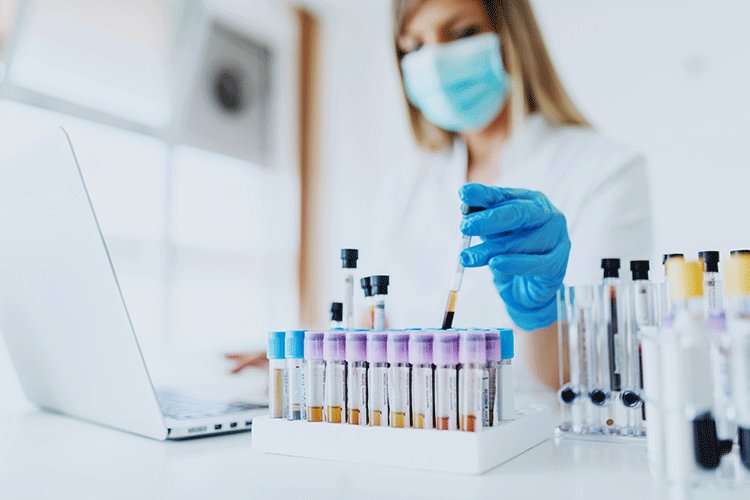
An annual wellness check-up is essential for preventive healthcare. These visits allow patients to maintain optimal health by assessing various aspects thoroughly each year without specific complaints present at times!
- Your primary physician will typically review medical history focusing on personal habits alongside family history deduced through dialogue during appointments leading into exams conducted afterward detailing vitals taken precisely more closely examining weight gains/losses among other inquiries made from before appointments booked!
- A routine physical examination might follow which could involve checking height/weight ratios while also listening attentively through stethoscopes!
- Taking advantage makes sense since consultations encourage discussing lifecycles morphing forward exploring future healthcare passions besides evolving views coalescing daily activities together benefiting mental awareness amidst growing concerns too!
- Lastly scheduling vaccines based upon age thresholds observed not only protects individual wellness but ensures community wellness continues evolving positively!
Making these visits regular enables one’s journey towards becoming healthier overall absolutely vital!
THYROID FUNCTION TESTS
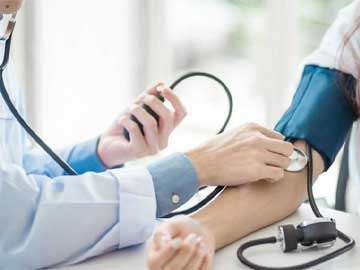
The thyroid gland plays a pivotal role in regulating metabolism. Dysfunction in this gland can lead to various health issues requiring comprehensive testing for accurate diagnosis.
- Common symptoms indicative of thyroid dysfunction include unexplained weight gain or loss, fatigue, hair loss, or changes in mood or concentration abilities.
- A combination of blood tests measuring Thyroid Stimulating Hormone (TSH) along with T3 and T4 hormones confirms thyroid function levels accurately during assessment phases.
- If diagnosed with thyroid imbalance, treatment might involve hormone replacement therapies such as levothyroxine for hypothyroidism or antithyroid medications for hyperthyroidism management strategies tailored individually based on lab results and symptoms presented during consultations
A timely evaluation helps ensure any thyroid-related issues are addressed promptly to maintain overall well-being in affected individuals throughout their lives!
RESPIRATORY DISEASE ASSESSMENT

Respiratory diseases encompass a variety of conditions affecting the lungs and airways. Early evaluation is essential for determining the most effective treatment plan.
- Symptoms may range from chronic coughs and wheezing to shortness of breath or chest tightness depending on the specific condition involved.
- A thorough assessment typically includes spirometry tests to measure lung function alongside imaging tests like X-rays or CT scans if needed for detailed evaluation.
- Treatment options vary widely based on diagnosis but may involve bronchodilators, inhaled corticosteroids, or other medications aimed at managing symptoms effectively.
- You should expect ongoing follow-ups to monitor progress and adjust treatments based on response or any exacerbations experienced during management.
An accurate diagnosis fosters an effective treatment path toward improved respiratory health over time.
CHOLESTEROL TESTING
High cholesterol is a significant risk factor for heart disease. It’s important to understand your cholesterol numbers to make informed decisions about your health.
- No symptoms often accompany high cholesterol; therefore, regular screening is critical for early detection.
- A simple blood test called a lipid panel measures total cholesterol levels along with LDL (bad) cholesterol and HDL (good) cholesterol levels.
- If elevated levels are found, management strategies may include dietary changes focusing on heart-healthy foods, increased physical activity, or medications such as statins if lifestyle changes are insufficient.
- Your doctor will work with you on an individualized plan to lower your cholesterol effectively while promoting overall cardiovascular health.
Understanding your cholesterol profile helps in making proactive choices towards a healthier life.
DIABETES SCREENING
Diabetes is a chronic condition that affects how your body processes glucose. Early detection is vital as it allows for better management and reduces the risk of complications.
- The common symptoms may include excessive thirst, frequent urination, fatigue, and blurred vision.
- A diagnosis typically involves fasting blood sugar tests or an HbA1c test that reflects average blood sugar levels over the past three months.
- Management options encompass lifestyle modifications like dietary changes and exercise, alongside potential medication including insulin therapy when necessary.
- Regular monitoring and check-ups are essential to evaluate control over blood glucose levels and adjust treatment plans accordingly.
Timely screening can help prevent serious complications associated with unmanaged diabetes, emphasizing the importance of routine check-ups.
HYPERTENSION MANAGEMENT
Hypertension, commonly known as high blood pressure, is a condition that can lead to severe health complications if left untreated. It's crucial for individuals to monitor their blood pressure regularly and understand the implications of elevated levels.
- Symptoms can include headaches, shortness of breath, and nosebleeds, although many people may not experience any symptoms at all.
- Diagnosis often involves measuring blood pressure through a sphygmomanometer on multiple occasions to confirm persistent high readings.
- Treatment options may include lifestyle changes such as improved diet, increased physical activity, and medications like diuretics or ACE inhibitors.
- Managing hypertension effectively requires regular follow-up appointments and monitoring of blood pressure levels to assess treatment efficacy.
With proper management, individuals with hypertension can lead a healthy life and significantly reduce the risk of cardiovascular disease.