
Dr Shalinis Dental Clinic
About Me
Dr Shalinis Dental Clinic
MD
Dermatologist
10 Years Experience
Biography
My Clinic
OPD Hours
| Monday | Morning | 10:00 AM | - | 02:00 PM |
| Evening | 06:00 PM | - | 09:00 PM | |
| Tuesday | Morning | 10:00 AM | - | 02:00 PM |
| Evening | 06:00 PM | - | 09:00 PM | |
| Wednesday | Morning | 10:00 AM | - | 02:00 PM |
| Evening | 06:00 PM | - | 09:00 PM | |
| Thursday | Morning | 10:00 AM | - | 02:00 PM |
| Evening | 06:00 PM | - | 09:00 PM | |
| Friday | Morning | 10:00 AM | - | 02:00 PM |
| Evening | 06:00 PM | - | 09:00 PM | |
| Saturday | Morning | 10:00 AM | - | 02:00 PM |
| Evening | 06:00 PM | - | 09:00 PM | |
| Sunday | Morning | 10:00 AM | - | 02:00 PM |
| Evening | 06:00 PM | - | 09:00 PM |
Treatments
Specialised care and treatments offered
WART REMOVAL
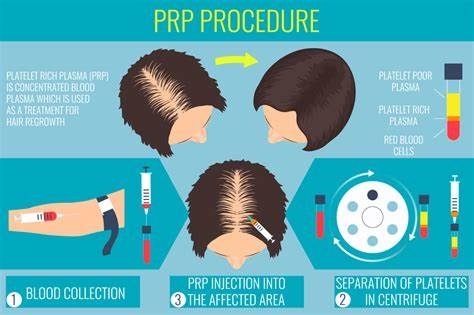
Warts are benign growths caused by human papillomavirus (HPV) infection affecting various parts of the body including hands and feet. While harmless generally warts can be unsightly or discomforting depending on their location!
- Symptoms: The typical wart presents as a raised lesion that may feel rough to touch or have a cauliflower-like appearance.
- Causes: HPV commonly spreads through direct contact with infected surfaces which raises chances of transmission especially among children/adolescents.
- Diagnosis: Diagnosis often derives from visual examinations performed by qualified dermatologists verifying these characteristic features without requiring laboratory tests usually!
The removal methods range from cryotherapy freezing techniques to laser treatments ensuring effective wart eradication while maintaining patient comfort throughout procedures!
ROSACEA
This chronic skin disorder primarily affects facial areas resulting in redness similar to blushing. Lengthy exposure may result in visible blood vessels or small bumps resembling acne on the face over time.
- Symptoms: Flushed cheeks frequently accompanied by persistent redness or tiny pus-filled bumps are common observations.
- Causes: While its precise origin remains unclear; genetic predispositions along with environmental triggers have been identified as contributing factors.
- Diagnosis: Diagnosis assesses facial patterns visually through comprehensive evaluations made by dermatological experts.
- Treatment options: Management includes topical gels/creams alongside oral antibiotics aimed at minimizing inflammation.
Timely intervention combined with practical lifestyle adjustments can significantly mitigate rosacea's impact on daily life quality.
SKIN CANCER SCREENING
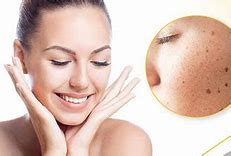
A crucial aspect of proactive health management is skin cancer screening. This process involves evaluating moles and other skin lesions for abnormal changes that may indicate cancerous activity.
- Symptoms: Look for new growths or alterations in existing moles such as asymmetry or irregular borders.
- Causes: Exposure to ultraviolet (UV) light from the sun or tanning beds increases risk factors related to developing skin cancer.
- Diagnosis: Skin examinations performed by dermatologists help detect potential issues; biopsies may be conducted if abnormalities are found.
Regular screenings allow for early detection which drastically improves treatment outcomes should any malignant conditions arise.
PSORIASIS
This chronic autoimmune condition leads to accelerated skin cell turnover causing rapid build-up of cells on the skin’s surface. Psoriasis manifests as red patches covered with thick silvery scales which can be itchy or painful.
- Symptoms: Common features include raised red plaques with silvery scales primarily found on elbows, knees, and the scalp.
- Causes: Genetics, immune system dysfunctions, and environmental factors often influence its development.
- Diagnosis: A dermatologist assesses the skin appearance to diagnose psoriasis accurately; sometimes a biopsy may be necessary.
- Treatment options: Treatments range from topical therapies to phototherapy and systemic medications depending on severity.
A tailored treatment plan enhances control over symptoms while allowing individuals to lead comfortable lives despite having this condition.
ECZEMA
Eczema is an inflammatory skin condition characterized by dry, itchy patches that can occur anywhere on the body. It's particularly common in children but can persist into adulthood.
- Symptoms: Redness, itching, and dryness are key indicators of eczema.
- Causes: Factors such as allergens, irritants, climate changes, and stress may trigger outbreaks.
- Diagnosis: Diagnosis primarily relies on visual inspections alongside patient history assessment.
- Treatment options: Topical corticosteroids and moisturizers are frequently recommended for symptom relief.
- Management strategies: Avoiding triggers and consistent skin hydration play crucial roles in managing eczema effectively.
A comprehensive approach involving both treatment and lifestyle modifications can significantly alleviate symptoms associated with eczema.
ACNE
Acne is a common skin condition that affects many individuals, particularly during adolescence. It arises when hair follicles become clogged with oil and dead skin cells, leading to the formation of pimples, blackheads, and cysts.
- Symptoms: Typical signs include inflamed red bumps, whiteheads, and deep cysts.
- Causes: Hormonal changes, certain medications, and diet can contribute to acne development.
- Diagnosis: A thorough physical examination along with a review of medical history typically confirms the diagnosis.
- Treatment options: Various treatments include topical creams, oral medications (like antibiotics), and laser therapy.
- Management: Regular skincare routines and avoiding known triggers can help reduce flare-ups.
Addressing acne early can prevent scarring and improve overall skin health. Consult a dermatologist for personalized treatment plans.