
Dr Shankar Basan
About Me
Dr Shankar Basan
MD
Neurologist
10 Years Experience
Biography
My Clinic
OPD Hours
| Monday | Morning | 10:00 AM | - | 02:00 PM |
| Evening | 06:00 PM | - | 09:00 PM | |
| Tuesday | Morning | 10:00 AM | - | 02:00 PM |
| Evening | 06:00 PM | - | 09:00 PM | |
| Wednesday | Morning | 10:00 AM | - | 02:00 PM |
| Evening | 06:00 PM | - | 09:00 PM | |
| Thursday | Morning | 10:00 AM | - | 02:00 PM |
| Evening | 06:00 PM | - | 09:00 PM | |
| Friday | Morning | 10:00 AM | - | 02:00 PM |
| Evening | 06:00 PM | - | 09:00 PM | |
| Saturday | Morning | 10:00 AM | - | 02:00 PM |
| Evening | 06:00 PM | - | 09:00 PM | |
| Sunday | Morning | 10:00 AM | - | 02:00 PM |
| Evening | 06:00 PM | - | 09:00 PM |
Treatments
Specialised care and treatments offered
PARKINSON'S DISEASE

NEUROPATHY
MULTIPLE SCLEROSIS (MS)
This autoimmune disease affects the central nervous system, leading to a range of neurological symptoms due to damage to myelin sheaths around nerve fibers. Recognizing MS early enhances management strategies available today.
- Main symptoms can include fatigue, difficulty walking, numbness, or vision problems that may come and go over time.
- A thorough evaluation usually involves MRI scanning alongside neurological assessments to detect active lesions in the brain and spinal cord.
- Treatment focuses on modifying disease progression with therapies such as corticosteroids or newer oral agents while managing symptoms through various supportive therapies.
Although MS poses challenges, many effective treatments are available that significantly enhance quality of life for patients diagnosed with it.
EPILEPSY
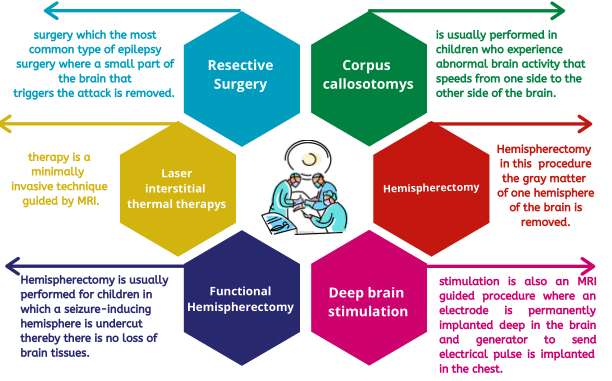
This neurological disorder is characterized by recurrent seizures due to abnormal electrical activity in the brain. Epilepsy affects individuals differently; understanding the condition can improve treatment outcomes.
- Symptoms vary widely but may involve convulsions, loss of consciousness, or strange sensations before seizures occur.
- Diagnosis typically hinges on EEGs along with patient history to monitor seizure patterns and triggers.
- Treatment modalities include antiepileptic drugs (AEDs) tailored to the individual's seizure type and frequency.
- Lifestyle adjustments and support groups can also play significant roles in managing epilepsy effectively.
A comprehensive approach helps many individuals lead full lives despite having epilepsy.
STROKE
A stroke occurs when blood flow to an area of the brain is interrupted or reduced, leading to brain damage. Recognizing the signs early is vital for successful intervention.
- Common symptoms include sudden numbness, confusion, trouble speaking, or severe headache.
- Diagnosis often includes CT scans or MRIs to identify the type and location of a stroke.
- Treatment may involve medications such as clot busters for ischemic strokes or surgical interventions for hemorrhagic strokes.
- Long-term management focuses on rehabilitation therapies that help regain lost functions.
Timely treatment can greatly enhance recovery prospects following a stroke.
MIGRAINE
Migraine is a type of headache characterized by intense, debilitating pain, often accompanied by nausea and sensitivity to light. Understanding migraines is crucial for effective management.
- Symptoms may include throbbing pain on one side of the head, aura (visual disturbances), and sensitivity to stimuli.
- Diagnosis typically involves a physical exam and patient history, with imaging tests like MRI reserved for atypical cases.
- Treatment options range from over-the-counter pain relief to prescription medications, including triptans and preventative treatments.
- Managing triggers through lifestyle modifications can significantly reduce the frequency and severity of attacks.
Effective management can greatly improve quality of life for those suffering from this condition.