
Dr Shankar Jamsandekar
About Me
Dr Shankar Jamsandekar
Cardiologist
Biography
My Clinic
OPD Hours
| Tuesday | Morning | 10:00 AM | - | 02:00 PM |
| Evening | 06:00 PM | - | 09:00 PM | |
| Wednesday | Morning | 10:00 AM | - | 02:00 PM |
| Evening | 06:00 PM | - | 09:00 PM | |
| Thursday | Morning | 10:00 AM | - | 02:00 PM |
| Evening | 06:00 PM | - | 09:00 PM | |
| Friday | Morning | 10:00 AM | - | 02:00 PM |
| Evening | 06:00 PM | - | 09:00 PM | |
| Saturday | Morning | 10:00 AM | - | 02:00 PM |
| Evening | 06:00 PM | - | 09:00 PM | |
| Sunday | Morning | 10:00 AM | - | 02:00 PM |
| Evening | 06:00 PM | - | 09:00 PM | |
| Thursday | Morning | 10:00 AM | - | 02:00 PM |
| Evening | 06:00 PM | - | 09:00 PM |
Treatments
Specialised care and treatments offered
PREVENTIVE CARDIOLOGY CONSULTATIONS

This specialized consultation focuses on preventing cardiovascular diseases through targeted education and personalized plan development tailored for at-risk patients. During these sessions:
- The Role of Risk Assessment: We evaluate genetic predispositions alongside personal habits like diet or stress management.
- Lifestyle Modifications: Guidance will be provided on implementing dietary changes such as reducing processed foods while increasing physical activity.
- Sustained Support:Mental well-being plays an important part too; expect continued motivation from consultations aimed towards maintaining healthy practices consistently throughout life. These strategies combined empower patients towards achieving better overall cardiac health proactively & positively impacting their quality-of-life!
ATRIAL FIBRILLATION MONITORING
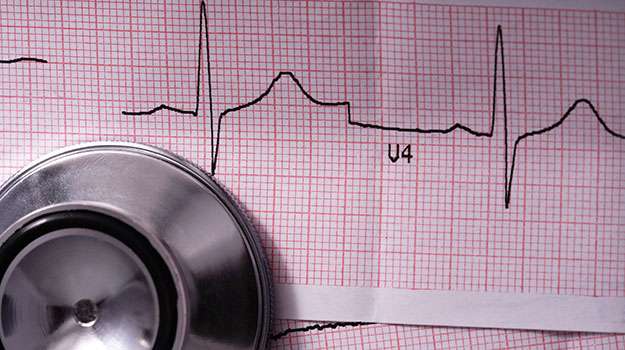
Atrial fibrillation (AFib) is an irregular heartbeat condition that increases the risk of stroke. Ongoing monitoring is essential for managing this condition appropriately.
- Symptoms : Many individuals with AFib may experience palpitations, dizziness, or fatigue but some may be asymptomatic entirely.
- Causes : AFib can stem from underlying conditions such as high blood pressure or coronary artery disease;
- Diagnosis : It’s usually diagnosed through ECGs or Holter monitors which capture the heart's rhythm over time;
- Treatment Options : Management may involve anticoagulant therapy alongside lifestyle changes like reducing alcohol intake.
- What To Expect : Regular follow-ups are crucial since treatment plans could require adjustments over time depending on symptoms observed by patients.
Early diagnosis plays an integral role in mitigating potential complications associated with abnormal heart rhythms; staying vigilant regarding symptoms ensures better management strategies down the line.
HEART HEALTH ASSESSMENTS
A comprehensive heart health assessment evaluates risk factors associated with cardiovascular diseases. It serves as a proactive measure for prevention strategies.
- Components: Includes evaluations of blood pressure, cholesterol levels, family medical history, lifestyle habits such as smoking or exercise habits.
- Importance of Early Detection: Identifying risk factors early enables timely interventions which significantly improve long-term outcomes for patients at greater risk of heart disease.
A thorough assessment allows you to work closely with your healthcare provider to prioritize your cardiovascular wellness moving forward.
ELECTROCARDIOGRAM (ECG) TESTING
An electrocardiogram (ECG) is a key diagnostic tool that records the electrical activity of the heart. It helps identify various cardiac conditions effectively.
- Purpose: ECGs are used to detect irregular heartbeats, previous heart attacks, and other anomalies in heart function.
- Procedure: The test involves placing electrodes on the skin which monitor electrical signals over time while you rest comfortably.
- No Special Preparation Required: There’s usually no need for extensive preparation; however, wearing loose clothing can make access easier during the procedure.
- Results Interpretation: Your healthcare provider will analyze the results and discuss any concerns moving forward or suggest further testing if needed.
This non-invasive test provides valuable information about your heart health and aids in developing suitable treatment plans for various cardiovascular issues.
CHOLESTEROL SCREENING
Monitoring cholesterol levels is vital for cardiovascular health. High levels of LDL cholesterol can increase the risk of heart disease.
- Symptoms: High cholesterol typically presents no symptoms but is detectable through blood tests.
- Risk Factors: A diet high in saturated fats, lack of physical activity, obesity, and a family history of heart disease contribute to elevated cholesterol levels.
- Diagnosis: A simple blood test known as a lipid panel helps determine your cholesterol levels and overall risk profile.
- Treatment Options: Lifestyle changes including improved diet, increased exercise, and medications such as statins may be recommended based on individual risks.
- What to Expect: Regular follow-up tests are important for tracking improvement or necessary adjustments in treatment strategies.
Catching high cholesterol early allows for proactive measures that can significantly reduce the likelihood of future complications related to heart health.
HYPERTENSION MANAGEMENT
Hypertension, or high blood pressure, is a common condition that often goes unnoticed. It can lead to serious complications if not managed properly.
- Symptoms: Many individuals may not experience noticeable symptoms; however, headaches, shortness of breath, and nosebleeds can occur in severe cases.
- Causes: Factors contributing to hypertension include genetics, unhealthy diet, lack of physical activity, and stress.
- Diagnosis: Blood pressure is measured using a sphygmomanometer during routine check-ups or specialized screenings.
- Treatment Options: Management includes lifestyle changes such as diet modifications and increased exercise, along with medications when necessary.
- What to Expect: Regular monitoring is essential. Patients will often see improvements through adherence to prescribed therapies.
Addressing hypertension early can prevent serious health issues like heart disease and stroke. Establishing a care plan with your healthcare provider is crucial for optimal health outcomes.