
Dr Shanti Swaroo
About Me
Dr Shanti Swaroo
MBBS
Podiatrist
10 Years Experience
Biography
My Clinic
OPD Hours
| Monday | Morning | 10:00 AM | - | 02:00 PM |
| Evening | 06:00 PM | - | 09:00 PM | |
| Tuesday | Morning | 10:00 AM | - | 02:00 PM |
| Evening | 06:00 PM | - | 09:00 PM | |
| Wednesday | Morning | 10:00 AM | - | 02:00 PM |
| Evening | 06:00 PM | - | 09:00 PM | |
| Thursday | Morning | 10:00 AM | - | 02:00 PM |
| Evening | 06:00 PM | - | 09:00 PM | |
| Friday | Morning | 10:00 AM | - | 02:00 PM |
| Evening | 06:00 PM | - | 09:00 PM | |
| Saturday | Morning | 10:00 AM | - | 02:00 PM |
| Evening | 06:00 PM | - | 09:00 PM | |
| Sunday | Morning | 10:00 AM | - | 02:00 PM |
| Evening | 06:00 PM | - | 09:00 PM |
Treatments
Specialised care and treatments offered
SEPTIC ARTHRITIS OF THE ANKLE JOINT
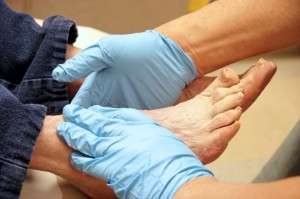
A bacterial infection inside an ankle joint constitutes septic arthritis—a medical emergency needing swift diagnosis and treatment due its destructive potential if unmanaged promptly. Commonly presenting acutely following injury or systemic infections spread hematogenously into joints particularly weakened by prior conditions is crucial knowledge for patients experiencing sudden joint swelling coupled with fever signs needing immediate attention from healthcare providers specializing in podiatry care setups offering diagnostic services including laboratory tests plus imaging modalities aiding rapid confirmation essential prior initiating targeted antibiotic therapy combined occasionally with surgical drainage depending upon severity extent findings identified via specialist evaluation procedures .
PLANTAR FASCIITIS
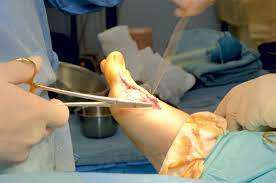
This condition arises from inflammation of the plantar fascia—a thick band connecting heel bones to toes. It causes heel pain that typically worsens with initial steps after rest periods such as getting out of bed in the morning.
- Pain is characteristically sharp near the bottom center of the heel but may extend along the arch during prolonged activity throughout daily routines or exercise sessions affecting gait patterns negatively over time if untreated;
FOOT FRACTURES
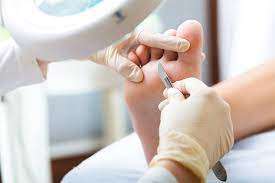
Bones in the foot are vulnerable to fractures due to trauma such as falls or sports injuries. Prompt assessment is vital for preventing chronic disability from these injuries.
- The typical symptoms include sudden localized pain following injury accompanied by swelling, bruising, deformity, or inability to bear weight comfortably.
- X-rays or other imaging modalities confirm fracture presence and characterize type—simple versus complex breaks impact treatment choices differently.
- Treatment options vary depending on severity but may involve immobilization with casts or splints; surgical fixation is reserved for displaced or unstable fractures.
- Pain control alongside restricted movement supports optimal bone healing over several weeks; physical therapy may follow once stabilized for regaining mobility and strength in the foot muscles gauged appropriately by a specialist.
An accurate diagnosis followed by suited treatment methods significantly contribute towards successful recovery after foot fractures without lasting complications.
INGROWN TOENAILS
An ingrown toenail occurs when the nail edge grows into the surrounding skin causing discomfort and sometimes infection. It is a common yet painful podiatric issue requiring attention.
- This condition typically manifests as localized pain along one or both sides of the nail fold accompanied by redness and swelling.
- Poor nail trimming techniques or tight footwear often precipitate this issue by driving nail edges inward.
- A clinical examination confirms diagnosis; severe cases may show pus indicating infection requiring medical intervention.
- Mild presentations respond well to conservative care including warm soaks, proper hygiene, and protective padding; persistent cases might need partial nail removal under local anesthesia.
- Preventive advice involves careful nail cutting straight across and avoiding tight shoes to minimize recurrence risk.
With appropriate treatment steps taken early, most ingrown toenails resolve without long-term problems or permanent damage.
DIABETIC FOOT ULCERS
Chronic wounds on the feet can pose serious risks for individuals with diabetes. Diabetic foot ulcers result from a combination of neuropathy, poor circulation, and impaired healing capacity.
- The ulcers typically present as open sores on pressure points or areas exposed to trauma.
- Neuropathy causes decreased sensation leading to unnoticed injuries.
- A thorough examination including vascular studies and wound assessment helps in establishing severity and planning treatment.
- Treatment emphasizes wound care, infection control with antibiotics if needed, offloading pressure through special footwear or devices, and optimization of blood sugar levels.
- Surgical intervention may be required in advanced cases to remove dead tissue or correct deformities contributing to ulcer formation.
Timely management reduces risks of complications such as infections or amputations while promoting healing in these challenging wounds.
ACUTE GOUTY ARTHRITIS OF THE FOOT
Sudden onset of intense pain, swelling, and redness in the joints of the foot is often a sign of acute gouty arthritis. This inflammatory condition results from uric acid crystal deposition within joint spaces.
- Symptoms include severe joint pain, tenderness, warmth, and limited range of motion, frequently affecting the big toe.
- Causes are linked to elevated serum uric acid due to metabolic issues, diet, or kidney function impairment.
- The diagnosis relies on clinical evaluation, lab tests showing raised uric acid levels, and sometimes joint fluid analysis detecting urate crystals.
- Treatment involves anti-inflammatory medications, lifestyle adjustments like diet modification, adequate hydration, and management of underlying metabolic conditions.
- Patients should expect an acute episode lasting several days to weeks but can reduce recurrence with consistent care and medication adherence.
Early recognition and appropriate management are essential to minimize joint damage and improve quality of life during acute gout attacks.