
DR Sharad Chandra
About Me
DR Sharad Chandra
MS
Orthopaedic Surgeons
10 Years Experience
Biography
My Clinic
OPD Hours
| Monday | Morning | 10:00 AM | - | 02:00 PM |
| Evening | 06:00 PM | - | 09:00 PM | |
| Tuesday | Morning | 10:00 AM | - | 02:00 PM |
| Evening | 06:00 PM | - | 09:00 PM | |
| Wednesday | Morning | 10:00 AM | - | 02:00 PM |
| Evening | 06:00 PM | - | 09:00 PM | |
| Thursday | Morning | 10:00 AM | - | 02:00 PM |
| Evening | 06:00 PM | - | 09:00 PM | |
| Friday | Morning | 10:00 AM | - | 02:00 PM |
| Evening | 06:00 PM | - | 09:00 PM | |
| Saturday | Morning | 10:00 AM | - | 02:00 PM |
| Evening | 06:00 PM | - | 09:00 PM | |
| Sunday | Morning | 10:00 AM | - | 02:00 PM |
| Evening | 06:00 PM | - | 09:00 PM |
Treatments
Specialised care and treatments offered
TENDINITIS TREATMENT
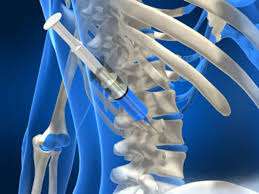
Tendinitis refers to inflammation of tendons caused by overuse injuries commonly seen among athletes and active individuals. Recognizing early signs allows timely intervention reducing chronic discomfort implications over time.
- Mainly characterized by localized pain near affected tendon areas especially noticeable during movement triggering tenderness upon touch potentially leading into stiffness when inactive.
- Diagnosis typically relies upon medical history trends followed closely by physical examinations where specific motions exacerbate discomfort confirming suspected involvement regionally speaking too!
- Management usually consists initially through rest combined with ice application plus anti-inflammatory medications accordingly; many find great relief via tailored physical therapy regimens subsequently restoring function optimally returning strength again gradually approaching pre-injury activities level process central afterwards!
Addressing tendinitis effectively promotes healing ensuring patients regain desired functional ranges extending lifestyles pain-free long-term!
ACL RECONSTRUCTION
Anterior Cruciate Ligament (ACL) reconstruction surgery addresses ACL tears common in athletes. This ligament plays a vital role in stabilizing the knee during physical activities requiring sudden stops or changes of direction.
- Symptoms usually present as sudden knee swelling following an injury along with instability during activity.
- A thorough assessment including clinical tests helps confirm diagnosis alongside MRI imaging evaluations revealing tear severity.
- Treatment options may vary from physiotherapy initially up till complete surgical reconstruction depending on individual situations.
The goal of reconstruction is not only regaining stability but also returning individuals back onto their playing field successfully post-rehabilitation period ensuring a gradual return towards peak performance levels again!
BONE DENSITY TESTING

This diagnostic test measures bone density to assess bone health. It is pivotal in identifying osteoporosis risk factors before fractures occur. Early detection enables proactive management of bone health issues impacting many individuals globally.
- Commonly experienced signs include unexplained fractures or loss of height over time without apparent cause.
- The diagnosis involves specialized imaging techniques such as Dual-Energy X-ray Absorptiometry (DXA) which evaluates bone mineral density accurately.
- Treatment focuses on lifestyle modifications along with supplements or medications aimed at enhancing bone density once low levels are identified.
This crucial assessment facilitates informed decisions regarding health strategies tailored specifically towards preventing significant skeletal-related injuries later in life.
ARTHROSCOPY

This minimally invasive surgical technique allows orthopedic surgeons to visualize, diagnose, and treat various joint problems. Arthroscopy is frequently used for knee, shoulder, or ankle issues that don't respond well to conventional treatments.
- Patients may experience symptoms like persistent swelling, limited movement, or locking sensations in the affected joint.
- Diagnosis is generally confirmed through physical examination followed by arthroscopic evaluation using small incisions for camera insertion.
- The benefits include reduced recovery times compared to open surgery and minimal scarring post-operation.
- Treatment may involve repairing torn cartilage or removing loose fragments within the joint space directly during the procedure.
This approach enhances patient comfort while providing effective management of various orthopedic conditions with less traumatic intervention than traditional surgeries.
JOINT REPLACEMENT SURGERY

This procedure involves replacing damaged joints with artificial implants. Joint replacement surgery is typically indicated for patients suffering from severe joint pain, primarily due to arthritis or injury.
- Common symptoms include chronic pain during movement, stiffness, and reduced range of motion in the joint.
- Diagnosis often includes a detailed medical history review and imaging techniques such as X-rays or MRIs to evaluate joint condition.
- Treatment may involve less invasive options like medication and physical therapy before considering surgery.
- The surgical procedure aims to alleviate pain and restore function while utilizing advanced prosthetic technology for durability.
- Post-operative care includes monitored rehabilitation programs designed for optimal recovery outcomes.
A successful joint replacement can significantly enhance quality of life by reducing discomfort and improving mobility levels in everyday activities.
FRACTURE MANAGEMENT

Fractures are breaks in the bone that can occur due to trauma, falls, or stress over time. They can vary in severity and may require different types of treatment based on their location and complexity.
- Symptoms often include severe pain, swelling, bruising, and an inability to use the affected limb.
- Diagnosis typically involves physical examination and imaging studies like X-rays or CT scans to assess the fracture type.
- Treatment options range from conservative methods like immobilization with casts to surgical interventions for complex fractures.
- Post-treatment rehabilitation is crucial for restoring strength and mobility to the affected area.
- It is essential to monitor for potential complications such as improper healing or infection.
Managing fractures effectively leads to a better prognosis and quicker recovery times, enabling patients to return to their normal activities safely.