
Dr Sharad N Shenoy
About Me
Dr Sharad N Shenoy
General Physician
Biography
My Clinic
OPD Hours
| Tuesday | Morning | 10:00 AM | - | 02:00 PM |
| Evening | 06:00 PM | - | 09:00 PM | |
| Wednesday | Morning | 10:00 AM | - | 02:00 PM |
| Evening | 06:00 PM | - | 09:00 PM | |
| Thursday | Morning | 10:00 AM | - | 02:00 PM |
| Evening | 06:00 PM | - | 09:00 PM | |
| Friday | Morning | 10:00 AM | - | 02:00 PM |
| Evening | 06:00 PM | - | 09:00 PM | |
| Saturday | Morning | 10:00 AM | - | 02:00 PM |
| Evening | 06:00 PM | - | 09:00 PM | |
| Sunday | Morning | 10:00 AM | - | 02:00 PM |
| Evening | 06:00 PM | - | 09:00 PM | |
| Thursday | Morning | 10:00 AM | - | 02:00 PM |
| Evening | 06:00 PM | - | 09:00 PM |
Treatments
Specialised care and treatments offered
WEIGHT MANAGEMENT COUNSELING
An effective weight management strategy incorporates both diet alterations & lifestyle changes tailored uniquely per individual’s requirements/health status! Addressing this topic holistically enables lasting results without resorting solely drastic measures!
- The root causes often stem from sedentary lifestyles coupled with unhealthy eating patterns leading towards obesity-related complications later on!
- Comprehensive assessments initially gather information regarding current dietary choices/movement habits before outlining personalized goals centered around healthier alternatives targeted specifically addressing weight loss challenges presented distinctly by differing body types!”
- Recommended practices typically introduce balanced nutritional intake focusing heavily fruits/vegetables while encouraging regular exercise enhancing energy expenditure thereby supporting metabolism adjustment over time! < l i > Successful programs often involve ongoing support via regular check-ins ensuring accountability while fostering encouragement throughout one’s journey encompassing significant transformation sustainably !
Overall successful journeys require commitment engagement active participation cooperation targeted actions taken gradually making way achieving gradual change sustainable practices enabling individuals thrive confidently within their bodies!
ALLERGY TESTING

Allergies occur when the immune system reacts excessively to substances known as allergens. Identifying these triggers through testing is crucial for effective management strategies!
- Common allergens include pollen from plants, pet dander from animals like cats/dogs & certain foods such as nuts or shellfish which may cause allergic reactions upon exposure!
- Diagnosis often involves skin prick tests where suspected allergens are applied onto small punctures in your skin & monitored for reactions over time or through specific blood tests analyzing immunoglobulin E (IgE) levels against various allergens!
- If an allergy is confirmed through testing results treatments generally comprise avoiding known triggers along with medications such antihistamines/inhalers should symptoms arise unexpectedly!
The goal of allergy testing ensures individuals know what affects them while paving pathways toward improved quality living free from allergy-related discomforts!
ANNUAL PHYSICAL EXAMINATIONS
An annual physical examination is key for preventive health care. This comprehensive assessment helps catch potential health issues early on before they escalate into major problems.
- The exam typically includes checking vital signs such as blood pressure and heart rate alongside cholesterol checks to assess cardiovascular risk factors effectively.
- Your doctor may also discuss lifestyle habits such as nutrition or exercise that could influence overall health positively or negatively over time.
- If any abnormalities are detected during the examination process, additional diagnostic tests might be recommended based on specific concerns raised during evaluation phases.
- This proactive approach helps guide appropriate interventions aimed at improving health outcomes tailored specifically for each patient’s needs
In essence, annual evaluations foster lifelong wellness by providing insights into personal health trends while ensuring necessary adjustments are made timely based on findings!
RESPIRATORY INFECTIONS TREATMENT
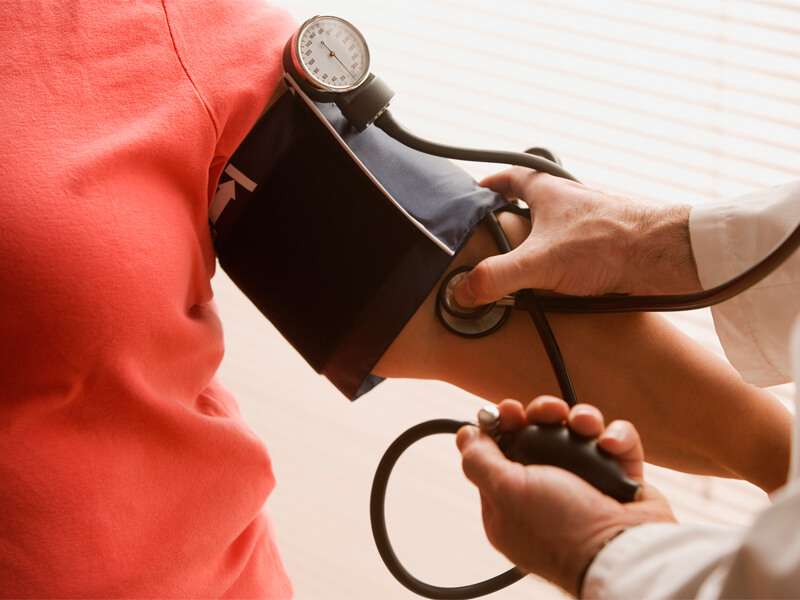
Respiratory infections affect the airways and lungs; these can vary in severity from mild colds to serious conditions like pneumonia. Understanding their nature can aid in effective treatment.
- Symptoms might include cough, sore throat, shortness of breath, fever, and fatigue depending on the type of infection present.
- A healthcare professional diagnoses respiratory infections through physical examinations and may request imaging tests or sputum samples for further analysis.
- Treatment options generally involve rest, hydration, over-the-counter medications for symptom relief, or antibiotics if a bacterial infection is identified.
- Taking preventive measures like vaccinations can help reduce occurrences of certain respiratory infections in vulnerable populations.
Treating respiratory infections promptly ensures faster recovery while minimizing the potential spread of illness to others.
DIABETES SCREENING

Diabetes mellitus is a chronic condition affecting how your body processes glucose. Early detection through screening can significantly improve management of the disease.
- Common symptoms include excessive thirst, frequent urination, fatigue, and blurred vision when diabetes progresses.
- Screening usually involves fasting blood sugar tests or HbA1c tests that provide an overview of average blood glucose levels over time.
- If diagnosed with diabetes, management strategies often include lifestyle modifications such as dietary changes and increased physical activity, as well as medication if needed.
- Regular follow-up appointments are important for monitoring the condition and minimizing complications.
Overall, timely screening for diabetes plays a crucial role in maintaining optimal health and preventing long-term complications associated with this condition.
HYPERTENSION MANAGEMENT
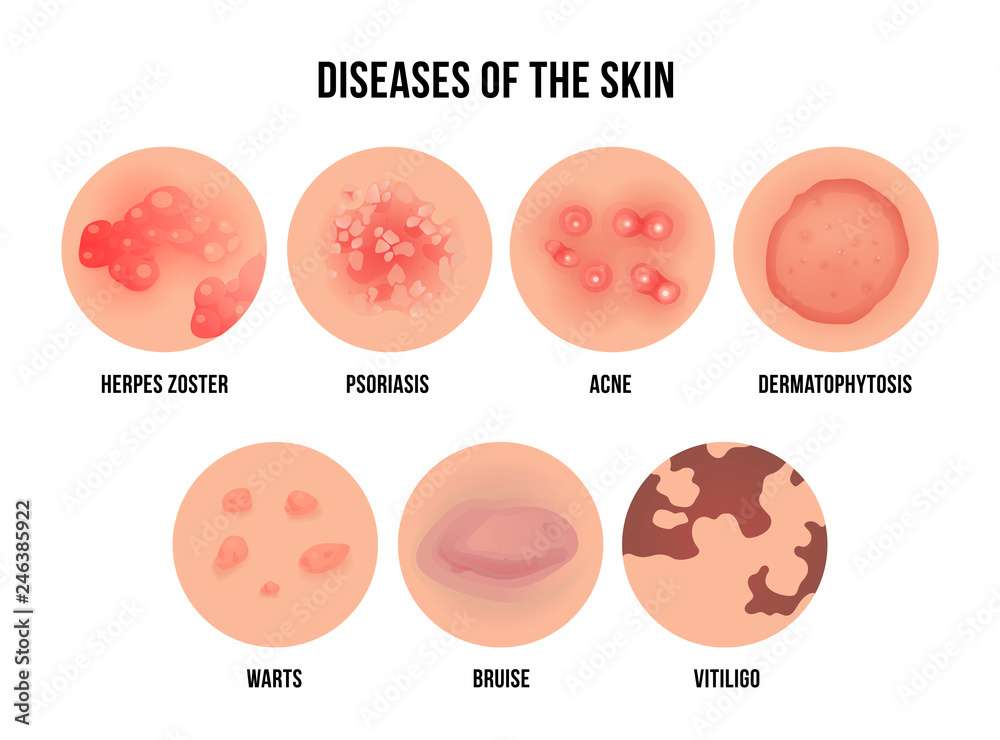
Hypertension, or high blood pressure, is a common condition that can lead to severe health issues if left unmanaged. It often has no noticeable symptoms, making regular check-ups essential.
- The primary causes include obesity, lack of physical activity, high salt intake, and genetic factors.
- Diagnosis typically involves measuring blood pressure during routine check-ups. If consistently elevated readings are noted, further tests may be required.
- Treatment options include lifestyle changes like diet and exercise, alongside medications that help regulate blood pressure levels.
- Regular monitoring is crucial to ensure that your blood pressure remains within a healthy range and to adjust treatments as necessary.
- By adhering to treatment plans and doctor’s recommendations, individuals can maintain a healthier life and reduce risks associated with hypertension.
In conclusion, managing hypertension is a proactive approach towards preventing serious cardiovascular conditions in the future.