
Dr Shashank Gang
About Me
Dr Shashank Gang
MBBS
General Physician
Biography
My Clinic
OPD Hours
| Monday | Morning | 10:00 AM | - | 02:00 PM |
| Evening | 06:00 PM | - | 09:00 PM | |
| Tuesday | Morning | 10:00 AM | - | 02:00 PM |
| Evening | 06:00 PM | - | 09:00 PM | |
| Wednesday | Morning | 10:00 AM | - | 02:00 PM |
| Evening | 06:00 PM | - | 09:00 PM | |
| Thursday | Morning | 10:00 AM | - | 02:00 PM |
| Evening | 06:00 PM | - | 09:00 PM | |
| Friday | Morning | 10:00 AM | - | 02:00 PM |
| Evening | 06:00 PM | - | 09:00 PM | |
| Saturday | Morning | 10:00 AM | - | 02:00 PM |
| Evening | 06:00 PM | - | 09:00 PM | |
| Sunday | Morning | 10:00 AM | - | 02:00 PM |
| Evening | 06:00 PM | - | 09:00 PM |
Treatments
Specialised care and treatments offered
ACID REFLUX TREATMENT
A common gastrointestinal ailment known as gastroesophageal reflux disease (GERD) occurs when stomach acid frequently flows back into the tube connecting your mouth and stomach (esophagus). This may cause discomfort and potential long-term complications if unmanaged properly.
- Symptoms: Heartburn is the most noticeable symptom; others include regurgitation of food or sour liquid, difficulty swallowing, and chronic cough.
- Causes: Factors contributing to GERD include obesity, pregnancy, smoking, certain medications, dietary choices like fatty foods or caffeine intake, and hiatal hernia presence.
ASTHMA MANAGEMENT
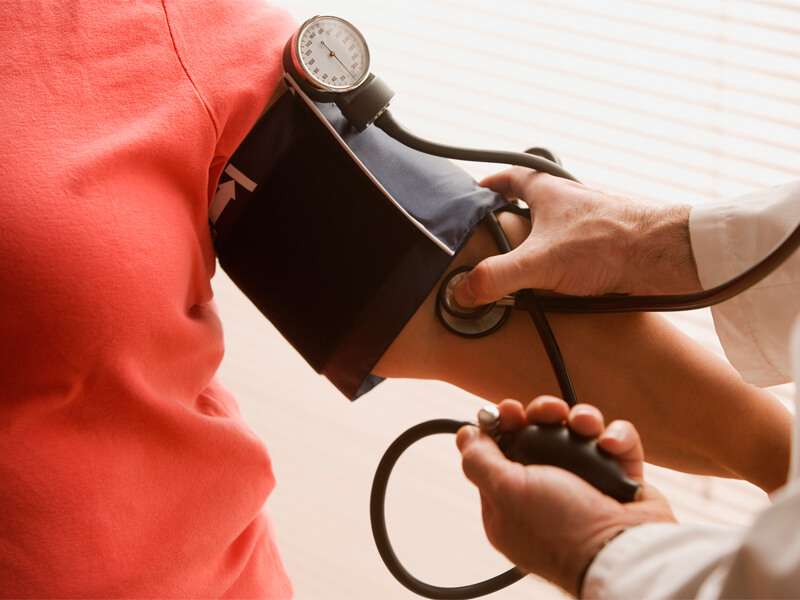
Asthma is a common respiratory condition characterized by inflammation of the airways. It leads to difficulty in breathing due to intermittent airway obstruction caused by various triggers.
- Symptoms: Common symptoms include wheezing, coughing particularly at night or early morning, chest tightness, and shortness of breath during exercise or exposure to allergens.
- Causes: Asthma can be triggered by allergens like pollen or dust mites and irritants including tobacco smoke or strong odors.
- Diagnosis: A healthcare provider usually conducts a physical examination along with lung function tests such as spirometry to assess air flow limitations.
- Treatment options: Control is primarily achieved through inhalers—both bronchodilators for quick relief and corticosteroids for long-term management—as well as avoiding known triggers.
- What to expect: Regular check-ups are essential for monitoring asthma control and adjusting treatment plans accordingly. Emergency action plans should also be provided when necessary.
A personalized asthma management strategy promotes better respiratory health and reduces flare-ups over time.
TYPE 2 DIABETES MANAGEMENT
Type 2 diabetes is a chronic condition that affects the way your body metabolizes sugar (glucose), an essential source of fuel for your body. This condition can lead to serious health complications if not properly managed.
- Symptoms: Common signs include increased thirst, frequent urination, extreme fatigue, and blurred vision.
- Causes: Factors such as being overweight, sedentary lifestyle, and genetics play significant roles in developing Type 2 diabetes.
- Diagnosis: Diagnosis typically involves blood tests that measure glucose levels after fasting or two hours after eating.
- Treatment options: Management includes lifestyle modifications like diet control and regular exercise. Oral medications or insulin therapy may be necessary for some patients.
- What to expect: Continuous monitoring of blood glucose levels is crucial. Customized meal plans and regular physical activity should be maintained for optimal management.
An individualized care plan can greatly improve quality of life for those living with Type 2 diabetes.
HYPERTENSION MANAGEMENT
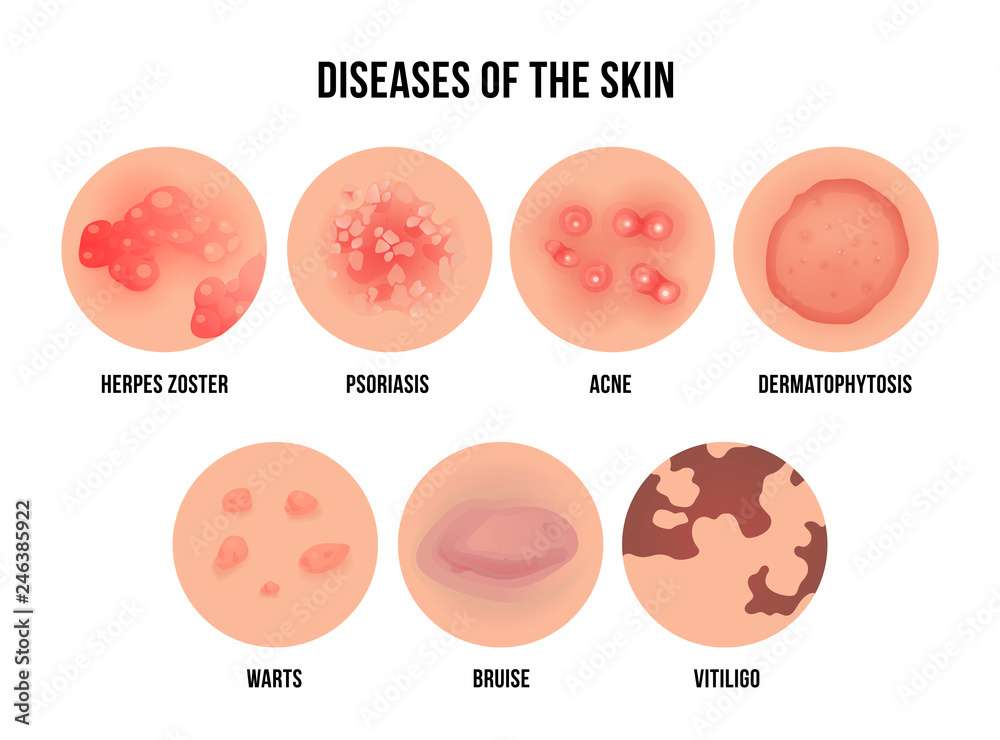
Hypertension, commonly known as high blood pressure, is a prevalent health condition that can lead to serious cardiovascular diseases if left untreated. It often develops silently and may not show noticeable symptoms until severe complications arise.
- Symptoms: Many individuals experience no symptoms; however, some may experience headaches, shortness of breath, or nosebleeds.
- Causes: Factors such as obesity, excessive salt intake, lack of physical activity, and genetic predisposition contribute to hypertension.
- Diagnosis: Blood pressure is measured using a sphygmomanometer during a routine check-up. Multiple readings over weeks are usually required to confirm the diagnosis.
- Treatment options: Lifestyle modifications like diet changes and increased exercise are first steps, followed by possible medication such as diuretics or ACE inhibitors.
- What to expect: Regular monitoring and follow-up visits are essential for managing hypertension effectively. Patients should engage in self-monitoring at home when possible.
A proactive approach can mitigate the risks associated with hypertension and promote a healthier life overall.