
Dr Shashi Dhar H
About Me
Dr Shashi Dhar H
DO
Ophthalmologist
10 Years Experience
Biography
My Clinic
OPD Hours
| Monday | Morning | 10:00 AM | - | 02:00 PM |
| Evening | 06:00 PM | - | 09:00 PM | |
| Tuesday | Morning | 10:00 AM | - | 02:00 PM |
| Evening | 06:00 PM | - | 09:00 PM | |
| Wednesday | Morning | 10:00 AM | - | 02:00 PM |
| Evening | 06:00 PM | - | 09:00 PM | |
| Thursday | Morning | 10:00 AM | - | 02:00 PM |
| Evening | 06:00 PM | - | 09:00 PM | |
| Friday | Morning | 10:00 AM | - | 02:00 PM |
| Evening | 06:00 PM | - | 09:00 PM | |
| Saturday | Morning | 10:00 AM | - | 02:00 PM |
| Evening | 06:00 PM | - | 09:00 PM | |
| Sunday | Morning | 10:00 AM | - | 02:00 PM |
| Evening | 06:00 PM | - | 09:00 PM |
Treatments
Specialised care and treatments offered
CORNEAL TRANSPLANTATION
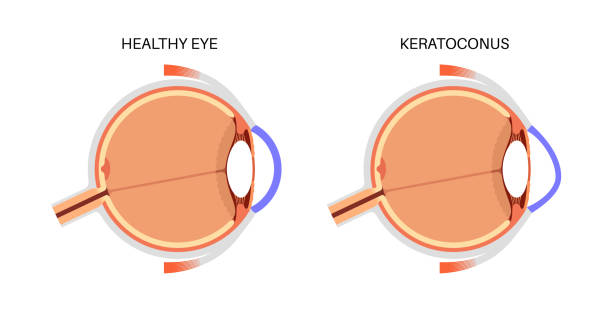
A corneal transplant replaces damaged or diseased corneal tissue with healthy donor tissue restoring transparency and improving vision quality significantly.
- Symptoms / causes : Severe scarring , keratoconus , infections , or dystrophies lead to corneal opacification causing blurry , distorted images .
- Diagnosis : Slit lamp examination reveals extent of corneal damage guiding transplantation necessity .
- Treatment : Depending on damage depth either full-thickness penetrating keratoplasty or partial thickness lamellar keratoplasty techniques are employed surgically .
- Management : Long-term topical steroid use prevents graft rejection ; regular follow-ups monitor graft health .
- Expectations : Visual improvement occurs gradually over months though complications like rejection can arise requiring prompt attention .
Corneal transplantation offers hope for those facing severe visual impairment due to anterior segment diseases .
VITRECTOMY
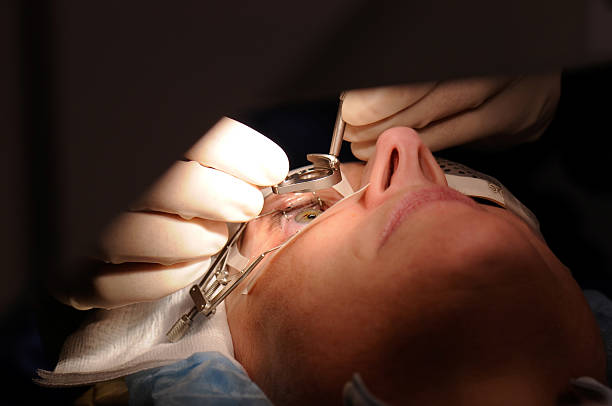
A vitrectomy is a microsurgical procedure removing vitreous gel from inside the eye to treat various retinal disorders such as hemorrhage or macular holes.
- Symptoms / causes : Patients often have floaters, blurred vision, or shadows due to blood or scar tissue obstructing light passage .
- Diagnosis : Detailed retinal exams combined with optical coherence tomography (OCT) imaging assist in assessing severity .
- Treatment : During vitrectomy , small incisions allow specialized instruments to remove vitreous gel , address membranes , and repair retinal defects .
- Management : Recovery may require face-down positioning for days if gas bubble used ; anti-inflammatory drops aid healing .
- Expectations : Most patients regain improved clarity although multiple surgeries may be needed depending on complexity .
This technique preserves eyesight in complex conditions that cannot be managed conservatively .
GLAUCOMA FILTRATION SURGERY
This surgical treatment aims at lowering intraocular pressure in patients with glaucoma when medical therapy is insufficient to prevent optic nerve damage.
- Symptoms/causes: Glaucoma often progresses silently but may cause peripheral vision loss; elevated eye pressure damages the optic nerve over time.
- Diagnosis: Measurement of intraocular pressure alongside visual field testing helps assess disease severity necessitating surgery.
- Treatment:The procedure creates a new drainage pathway allowing excess aqueous humor to escape, lowering eye pressure effectively.
- Management:A careful post-operative regimen includes monitoring eye pressure regularly while preventing infections with prescribed eye drops.
RETINAL DETACHMENT REPAIR
A retinal detachment happens when the retina separates from its underlying tissue, which can cause permanent vision loss if untreated. Surgical repair is critical.
- Symptoms/causes: Symptoms include sudden flashes of light, floaters, shadow over field of vision; trauma or degenerative changes often trigger detachment.
- Diagnosis: Dilated fundus examination using indirect ophthalmoscopy or ultrasound imaging detects tears or detachments promptly.
- Treatment: Surgical options vary from laser photocoagulation sealing retinal breaks to scleral buckling or vitrectomy procedures repairing the retina’s position.
- Management: Post-surgery care requires positioning guidelines for optimal healing and medications for inflammation control.
- Expectations: Timely intervention improves chances of restoring partial or full vision; delays increase risk of permanent damage.
This condition demands urgent attention to preserve sight and minimize complications effectively.
LASER-ASSISTED IN SITU KERATOMILEUSIS (LASIK)
LASIK is a popular refractive surgery designed to correct vision problems like nearsightedness, farsightedness, and astigmatism using laser technology.
- Symptoms/causes: Patients typically suffer from blurred vision affecting daily activities due to irregular corneal shape.
- Diagnosis: Detailed pre-operative screening including corneal thickness measurement and corneal topography ensures suitability for LASIK.
- Treatment: A precise excimer laser reshapes the cornea after creating a thin flap on its surface to improve focusing ability.
- Management: The procedure is quick and generally painless; follow-up care involves medications to prevent infection and promote healing.
- Expectations: Rapid visual improvement occurs within 24-48 hours, though some may experience temporary dryness or halos around lights initially.
This technique offers freedom from glasses or contact lenses for many individuals seeking clearer eyesight.
CATARACT SURGERY
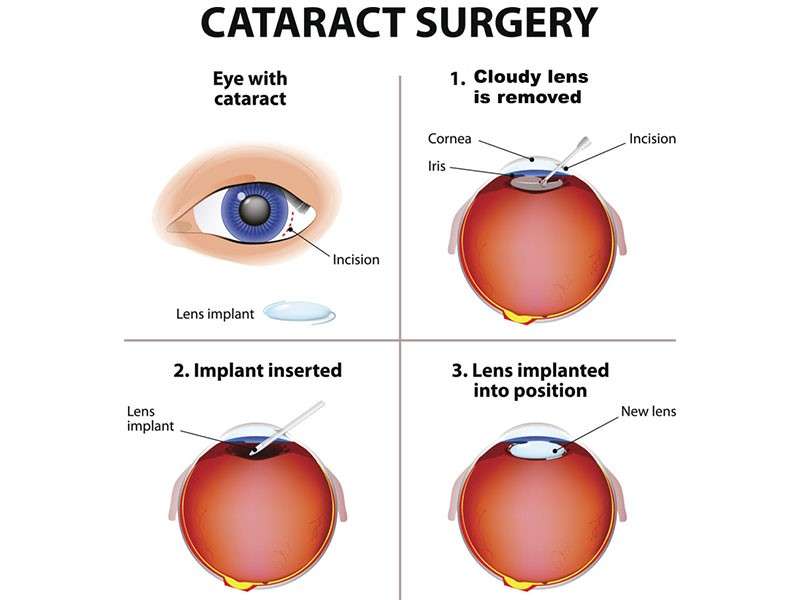
Cataracts are a common eye condition where the natural lens becomes cloudy, leading to decreased vision. Surgery is currently the only effective way to restore clear sight.
- Symptoms/causes: Gradual blurry vision, faded colors, glare from lights, and difficulty with night driving often indicate cataracts. Aging is the primary cause.
- Diagnosis: Comprehensive eye examination including visual acuity tests and slit lamp evaluation confirms cataract presence.
- Treatment: The surgery involves removing the cloudy lens and replacing it with an artificial intraocular lens (IOL).
- Management: The procedure is typically outpatient, painless with quick recovery, although post-operative care includes eye drops and periodic check-ups.
- Expectations: Most patients experience significant improvement in vision within days after surgery.
This operation has a high success rate and dramatically enhances quality of life by restoring clear vision.