
Dr Shashi Panicke
About Me
Dr Shashi Panicke
MBBS
General Physician
10 Years Experience
Biography
My Clinic
OPD Hours
| Monday | Morning | 10:00 AM | - | 02:00 PM |
| Evening | 06:00 PM | - | 09:00 PM | |
| Tuesday | Morning | 10:00 AM | - | 02:00 PM |
| Evening | 06:00 PM | - | 09:00 PM | |
| Wednesday | Morning | 10:00 AM | - | 02:00 PM |
| Evening | 06:00 PM | - | 09:00 PM | |
| Thursday | Morning | 10:00 AM | - | 02:00 PM |
| Evening | 06:00 PM | - | 09:00 PM | |
| Friday | Morning | 10:00 AM | - | 02:00 PM |
| Evening | 06:00 PM | - | 09:00 PM | |
| Saturday | Morning | 10:00 AM | - | 02:00 PM |
| Evening | 06:00 PM | - | 09:00 PM | |
| Sunday | Morning | 10:00 AM | - | 02:00 PM |
| Evening | 06:00 PM | - | 09:00 PM |
Treatments
Specialised care and treatments offered
OBESITY MANAGEMENT
The condition of excess body fat increases risks for numerous diseases including diabetes, hypertension,and cardiovascular problems. Addressing obesity involves sustainable lifestyle interventions tailored individually.
- Causes :Poor diet choices , sedentary habits , genetic predisposition ;
- Assessment : Body Mass Index calculation along with evaluation for related conditions ;
- Management approaches :Balanced nutritional counseling fostering gradual weight loss , increased physical activity programmes , behavioral therapy support ;
- When required: Medications or referral for specialist care in resistant cases applied cautiously after comprehensive evaluation;
A personalized management plan focusing on gradual improvements yields the best long-term health outcomes in individuals struggling with obesity .
ANEMIA EVALUATION AND TREATMENT

Anemia represents a shortage of healthy red blood cells causing fatigue and weakness. Identifying underlying reasons ensures effective therapy tailored to individual needs.
- Common causes & signs :Iron deficiency from poor diet/bleeding , vitamin B12/folate deficiency; pallor , dizziness , rapid heartbeat;
- Diagnostic methods :Blood tests including CBC to detect anemia type ; additional tests if needed ;
- Treatment strategies :Iron supplements , dietary improvements focusing on rich sources like leafy greens , red meat ; treating chronic diseases provoking anemia ;
- Prognosis outlook :Most cases respond well with treatment improving energy levels & quality of life significantly .
Addressing anemia promptly is important in preventing worsening symptoms and associated problems .
GASTROESOPHAGEAL REFLUX DISEASE (GERD)

This condition occurs when stomach acid frequently flows back into the esophagus causing irritation. Understanding triggers helps manage this common digestive problem effectively.
- Causative factors & symptoms: Heartburn after meals, regurgitation of food or sour liquid; obesity and certain foods worsen it.
- Your diagnosis journey involves: Medical history review plus endoscopy or pH monitoring if required for persistent symptoms.
- Lifestyle modifications recommended include:
CHRONIC OBSTRUCTIVE PULMONARY DISEASE (COPD) MANAGEMENT

COPD is a progressive lung disease commonly caused by long-term exposure to irritants like cigarette smoke. Managing COPD focuses on symptom relief and preventing exacerbations.
- Main causes and symptoms: Chronic cough, breathlessness on exertion, sputum production; smoking is the leading cause.
- Diagnostic tools: Spirometry tests measure lung function confirming airflow obstruction diagnosis.
- Treatment options: Smoking cessation is critical; bronchodilators relieve symptoms; pulmonary rehabilitation aids lung capacity improvement.
- Avoidance strategies: Reducing exposure to air pollutants helps minimize flare-ups in vulnerable patients.
A well-structured management plan including medications and lifestyle adjustments can improve quality of life for those living with COPD.
TYPE 2 DIABETES MELLITUS

This metabolic disorder causes elevated blood glucose due to insulin resistance. Early detection and control are vital to prevent complications.
- Symptoms and risk factors: Increased thirst, frequent urination, fatigue; obesity and sedentary lifestyle increase risk.
- Diagnostic tests: Fasting blood sugar level, HbA1c measurement provide accurate diagnosis.
- Treatment approach: Diet modification focusing on low glycemic index foods, regular physical activity, oral hypoglycemics or insulin as needed.
- Follow-up care: Monitoring blood sugar regularly helps optimize therapy and detect early signs of complications such as neuropathy or retinopathy.
An integrated approach combining lifestyle changes with medical therapy supports long-term blood sugar control in many patients.
HYPERTENSION MANAGEMENT
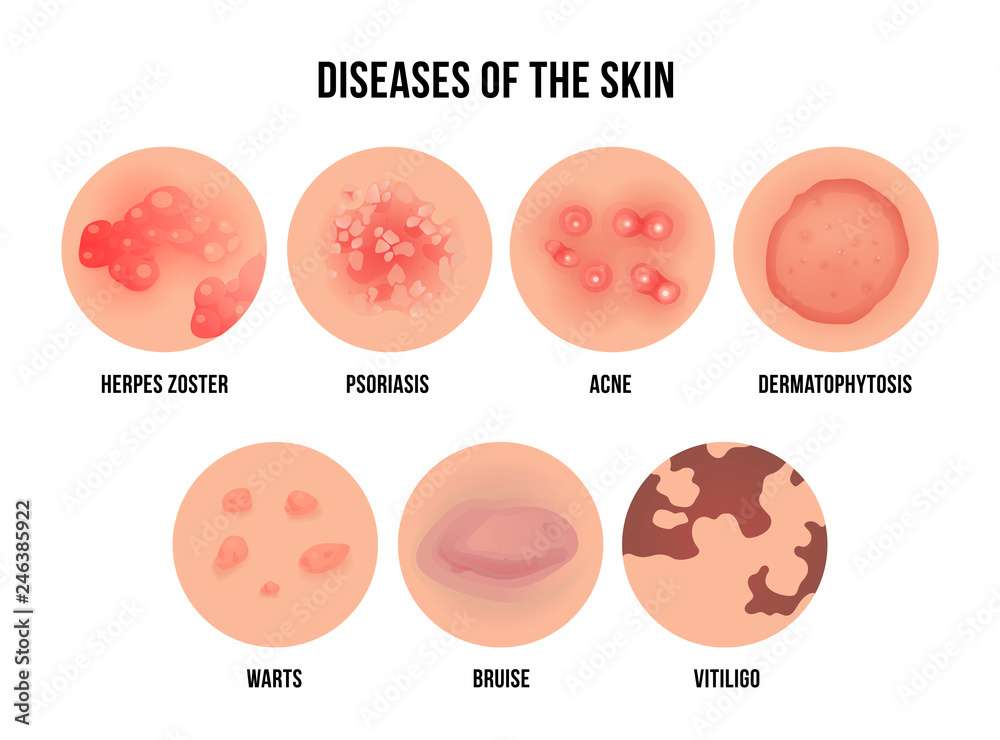
High blood pressure, or hypertension, is a common condition that can lead to serious health issues if untreated. It often shows no symptoms but requires ongoing management.
- Causes and symptoms: Often linked to genetics, diet, stress, and lifestyle; headaches or dizziness may occur but many experience none.
- Diagnosis: Regular blood pressure measurements using a sphygmomanometer during clinic visits.
- Treatment and management: Lifestyle changes such as reducing salt intake, regular exercise, weight control, and medication adherence are key.
- Monitoring: Frequent check-ups help adjust treatment plans and prevent complications like heart disease or stroke.
With appropriate intervention and monitoring, hypertension can be effectively controlled to reduce risk of severe outcomes.