
Dr Sheeban Ali Khan
About Me
Dr Sheeban Ali Khan
BDS
Dentist
20 Years Experience
Biography
My Clinic
OPD Hours
| Monday | Morning | 09:00 AM | ||
| Evening | 09:00 PM | |||
| Tuesday | Morning | 09:00 AM | ||
| Evening | 09:00 PM | |||
| Wednesday | Morning | 09:00 AM | ||
| Evening | 09:00 PM | |||
| Thursday | Morning | 09:00 AM | ||
| Evening | 09:00 PM | |||
| Friday | Morning | 09:00 AM | ||
| Evening | 09:00 PM | |||
| Saturday | Morning | 09:00 AM | ||
| Evening | 09:00 PM |
Treatments
Specialised care and treatments offered
TEETH WHITENING
Teeth whitening procedures offer an effective way to enhance your smile by removing stains caused by food intake habits like coffee/tea consumption! These treatments have gained popularity among those looking for brighter smiles without affecting dental health negatively!
- The primary reasons behind discoloration stem from aging processes besides consuming staining substances over time!
DENTAL IMPLANTS
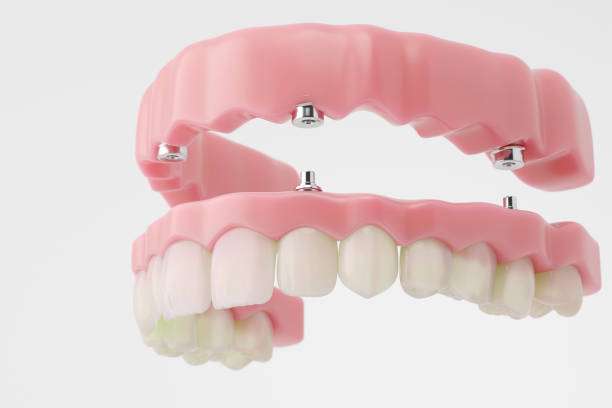
Dental implants serve as a permanent solution for replacing lost teeth. They consist of titanium posts surgically placed into the jawbone acting as artificial roots for replacement crowns. This option provides strong support similar to natural teeth functionality!
- The need arises from tooth loss due to injury, decay, or periodontal disease
- .
WISDOM TEETH EXTRACTION
The extraction of wisdom teeth is often necessary when these third molars become impacted due to limited space in the jaw. This procedure is common among young adults as these teeth typically emerge between ages 17-25.
- Common indicators for extraction include pain, swelling around the jaw area, chronic infections in adjacent gums, or difficulty opening the mouth fully due to pressure from these teeth.
- Your dentist will evaluate them via examination and X-ray imaging before recommending surgery if needed.
- The extraction process may require local anesthesia or sedation techniques for comfort during the procedure.Post-operative care includes managing swelling with ice packs and following prescribed medications for pain relief!
This procedure is often routine but addressing it promptly helps avoid more serious complications down the line.
TOOTH SENSITIVITY
Tooth sensitivity refers to discomfort or pain in the teeth when exposed to certain stimuli such as hot beverages, cold foods, or even sweet items. This condition is common and can significantly impact quality of life when left unaddressed.
- The discomfort is often linked to worn enamel and exposed dentin or receding gums.Poor oral hygiene, aggressive brushing techniques, and certain dietary habits can contribute to this issue.
- A detailed evaluation including a discussion of symptoms helps determine the underlying causes of sensitivity.
- Treatments might involve desensitizing toothpaste, fluoride applications, or dental procedures depending on severity.
- Avoiding acidic foods and using a soft-bristled toothbrush can help manage symptoms effectively.
If you're experiencing tooth sensitivity regularly, it’s advisable to consult with your dentist for personalized management strategies.
GUM DISEASE
Gum disease, or periodontal disease, is an infection of the tissues that surround and support your teeth. It ranges from mild inflammation (gingivitis) to more severe forms that can result in bone loss around the teeth.
- The early warning signs include swollen gums that bleed during brushing or flossing.
- It can be diagnosed through clinical examinations where pocket depths around teeth are measured and X-rays may be taken to assess bone loss.
- Treatment typically includes professional cleanings, improved home care routines, and sometimes surgical interventions for advanced cases.
- Regular dental visits are essential for monitoring gum health and preventing progression of the disease.
Managing gum disease effectively requires commitment to maintaining oral hygiene habits at home and regular check-ups with a dentist.
CAVITIES
Cavities, also known as dental caries, are holes in the teeth caused by decay. This condition is prevalent among all age groups, particularly children and older adults. The decay occurs when bacteria produce acids that erode tooth enamel.
- Symptoms can include toothache, sensitivity to hot or cold substances, and visible holes or pits in the teeth.
- Diagnosis usually involves a thorough dental examination and X-rays to identify areas of decay.
- Treatment options may include fillings, crowns, or in severe cases, root canals to restore function and alleviate pain.
- Post-treatment care often involves good oral hygiene practices to prevent future cavities.
Recognizing early signs of cavities is crucial, as timely intervention can save teeth from further damage.