
Dr Shehla Shaikh
About Me
Dr Shehla Shaikh
Cardiologist
Biography
My Clinic
OPD Hours
| Tuesday | Morning | 10:00 AM | - | 02:00 PM |
| Evening | 06:00 PM | - | 09:00 PM | |
| Wednesday | Morning | 10:00 AM | - | 02:00 PM |
| Evening | 06:00 PM | - | 09:00 PM | |
| Thursday | Morning | 10:00 AM | - | 02:00 PM |
| Evening | 06:00 PM | - | 09:00 PM | |
| Friday | Morning | 10:00 AM | - | 02:00 PM |
| Evening | 06:00 PM | - | 09:00 PM | |
| Saturday | Morning | 10:00 AM | - | 02:00 PM |
| Evening | 06:00 PM | - | 09:00 PM | |
| Sunday | Morning | 10:00 AM | - | 02:00 PM |
| Evening | 06:00 PM | - | 09:00 PM | |
| Thursday | Morning | 10:00 AM | - | 02:00 PM |
| Evening | 06:00 PM | - | 09:00 PM |
Treatments
Specialised care and treatments offered
PERIPHERAL ARTERIAL DISEASE (PAD)

PAD is a circulatory condition where narrowed arteries reduce blood flow mainly to limbs. This reduction leads often manifests symptoms during physical activities but could escalate if unaddressed!
- < !--1 -- >
- < strong style='color:#FF4500'>Symptoms: Leg pain during walks accompanied by numbness/tingling feedback later escalates rest times required between efforts!
- < STRONG CAUSES INCLUDE : STROKE HISTORY , DIABETES , HIGH BLOOD PRESSURE TOO![LI]
- < STRONG DIAGNOSIS USUALLY ENTAILS : PHYSICAL EXAM + ANGIOTESTING OPTION TAILORED SPECIFICALLY EACH PERSON’S NEEDS!< LI />
- ( STRONG MANAGEMENT OPTIONS : REGULAR LIGHT EXERCISE COMBINED WITH NUTRITIONAL STEPS INCLUDING LOW-CARB DIETS POSSIBLE MEDICATIONS PRESCRIBED )…[LI]
- ( STRONG MONITORING AND FOLLOW-UP VISITS Ensure everything progressing positively OVER TIME AS IT HELPS MAINTAIN CIRCULATION IMPROVEMENTS![LI]
Seeking guidance proactively leads toward improving health focuses enabling enjoyable active lifestyles ahead!
ATRIAL FIBRILLATION
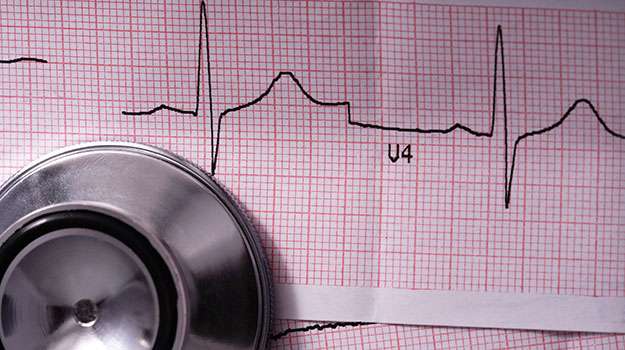
Atrial fibrillation (AFib) is an irregular heartbeat that can increase the risk of stroke and other complications. It involves chaotic electrical signals causing rapid contractions in the atria instead of coordinated beats. Early recognition plays a crucial role in management strategies!
- < !-- 1 -- >
- Symptoms: Palpitations or feeling dizzy along with fatigue & chest discomfort might occur occasionally without clear triggers!
- Causes: Underlying conditions like hypertension & previous heart surgeries along with excessive alcohol intake are among major contributing factors! / < !--3 - >>
- Diagnosis usually requires: doctor's evaluation plus monitoring via Holter monitors where necessary ensuring accurate assessments! / < !--4- >>
- Treatment approaches typically emphasize: Lifestyle modifications including reducing caffeine/ alcohol intake while considering anticoagulant medications when indicated based on individual profiles! / >
- < strong style='color:red;'>Expectations aspect also importance over time as it helps gauge balance having preventive strategies embedded!< / 12/ >>
Working closely alongside your cardiologist ensures you're supported through all steps towards better outcomes!
CORONARY ARTERY DISEASE (CAD)
Coronary artery disease results from plaque buildup in the arteries leading to reduced blood flow to the heart muscle. This condition increases the risk of more severe coronary events like heart attacks if not managed properly.
- The sudden onset of chest pain, shortness of breath during exertion & other related symptoms should prompt immediate evaluation by a healthcare provider. Ongoing communication with healthcare professionals aids patients greatly in redirecting their health journey positively!
CHOLESTEROL MANAGEMENT
High cholesterol can significantly increase the risk of cardiovascular disease. Understanding cholesterol levels is vital for overall heart health and preventing serious conditions like heart attacks.
- Symptoms: Elevated cholesterol usually presents no symptoms; thus regular screenings are important for early detection.
- Main causes: Poor diet rich in saturated fats and trans fats contributes significantly to high cholesterol levels alongside genetics and lack of exercise.
- Diagnosis: A simple blood test measures cholesterol levels (LDL, HDL) and triglycerides to evaluate risk factors effectively.
- Treatment approaches: Changing dietary habits (e.g., increasing fruits & vegetables), engaging in physical activity regularly, and possibly medication when lifestyle adjustments aren't sufficient are typical recommendations.
Lifestyle changes can lead to significant improvements in cholesterol levels over time when integrated into daily routines.
HEART FAILURE
Heart failure occurs when the heart is unable to pump blood efficiently to meet the body’s needs. It does not mean that the heart has stopped working; rather it indicates a reduced capacity for effective pumping.
- Symptoms: Common signs include fatigue, swelling in the legs or abdomen, and shortness of breath during activity or while lying down.
- Causes: Conditions like coronary artery disease or hypertension often contribute to developing heart failure.
- Diagnosis: Medical history review combined with tests such as echocardiograms helps assess heart function and fluid levels in the body.
- Management options: Treatment focuses on lifestyle modifications like dietary changes to reduce salt intake and regular cardiovascular exercise. Medications may also be prescribed.
- Living with heart failure: Patients can manage their condition effectively by following treatment plans and working closely with healthcare providers for ongoing evaluation.
Coping strategies play an essential role in enhancing quality of life for those living with heart failure.
HYPERTENSION
Hypertension, or high blood pressure, is a common condition that can lead to severe health complications if left unmanaged. It often develops over many years and may go unnoticed, but its effects on the heart can be profound.
- Symptoms: Many individuals experience no symptoms, but some may have headaches, shortness of breath, or nosebleeds.
- Causes: Contributing factors include obesity, excessive alcohol intake, smoking, and high sodium diets.
- Diagnosis: Blood pressure is measured using a sphygmomanometer during routine check-ups to determine hypertension.
- Treatment options: Management typically involves lifestyle changes such as a balanced diet low in sodium, regular exercise, maintaining a healthy weight, and possible medication.
- Expectations: Through effective management strategies, individuals can lead normal lives while minimizing risks associated with hypertension.
Monitoring and ongoing support are essential for managing hypertension effectively.