Dr Shehnaz Z Arsiwala
About Me
Dr Shehnaz Z Arsiwala
Dermatologist
Biography
My Clinic
OPD Hours
| Tuesday | Morning | 10:00 AM | - | 02:00 PM |
| Evening | 06:00 PM | - | 09:00 PM | |
| Wednesday | Morning | 10:00 AM | - | 02:00 PM |
| Evening | 06:00 PM | - | 09:00 PM | |
| Thursday | Morning | 10:00 AM | - | 02:00 PM |
| Evening | 06:00 PM | - | 09:00 PM | |
| Friday | Morning | 10:00 AM | - | 02:00 PM |
| Evening | 06:00 PM | - | 09:00 PM | |
| Saturday | Morning | 10:00 AM | - | 02:00 PM |
| Evening | 06:00 PM | - | 09:00 PM | |
| Sunday | Morning | 10:00 AM | - | 02:00 PM |
| Evening | 06:00 PM | - | 09:00 PM | |
| Thursday | Morning | 10:00 AM | - | 02:00 PM |
| Evening | 06:00 PM | - | 09:00 PM |
Treatments
Specialised care and treatments offered
SKIN TAGS
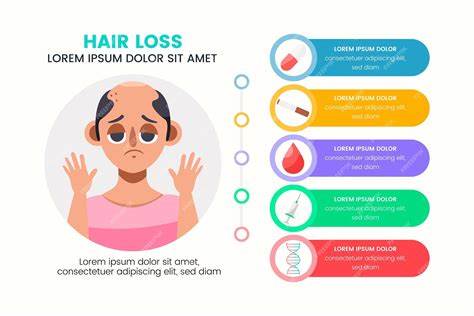
This benign growth is usually small and hangs off the skin by a thin stalk. Skin tags are often harmless but can become bothersome if they rub against clothing or jewelry frequently!
- The appearance consists of soft protrusions from the skin surface commonly found in areas where friction occurs: necklines or armpits being prime locations!Diagnosis is straightforward usually made visually during an office visit. Occasionally biopsies may be taken if there's any concern regarding malignancy!
range of removal options exists! These include cryotherapy (freezing) surgery using electrocautery scissors - all minimally invasive procedures done right at your doctor's office!${“”} less dramatic than they seem offers immediate resolution without needling long recovery periods afterwards often leading back into your normal life quickly again!
MELASMA
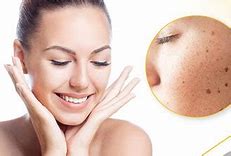
This common pigmentary disorder typically results in brown patches on the face, especially among women. Melasma can be aggravated by sun exposure or hormonal fluctuations during pregnancy or while using contraceptives.
- The primary symptom consists of symmetrical brownish patches usually found on the cheeks, forehead, nose, and upper lip area.
- A dermatologist may diagnose melasma based on visual examination combined with patient history concerning sun exposure and hormonal factors.
- Treatment generally involves topical creams containing hydroquinone or tretinoin; chemical peels may also be beneficial in some cases to exfoliate damaged skin layers.
- Sun protection is crucial; daily application of broad-spectrum sunscreen helps prevent exacerbation of pigmentation issues;
- If left untreated, melasma can persist long-term but typically responds well when managed properly with consistent care.
Efficacious treatment plans often involve both preventative measures along with active interventions for best results against melasma's effects on appearance
ECZEMA (ATOPIC DERMATITIS)
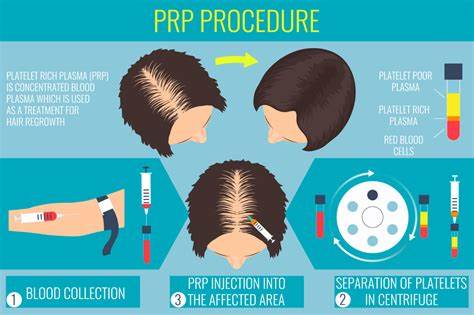
An increasingly prevalent skin issue primarily affecting children but also seen in adults. Eczema presents as itchy, dry skin that often leads to rashes in sensitive areas such as the face and behind the knees.
- The major symptoms include consistent itchiness, redness on patches of skin, and sometimes oozing lesions during flare-ups.
- A thorough examination by a dermatologist will help determine severity while ruling out other conditions through a detailed history.
- Treatment approaches commonly involve moisturizing creams or ointments along with topical steroids for controlling inflammation during flare-ups.
- Avoiding triggers like certain fabrics or allergens is vital for maintaining clear skin between episodes.
- Patients should be informed about proper skincare routines as an integral part of managing eczema successfully over time.
Caring for eczema requires both medical treatment and lifestyle strategies tailored for effective relief.
PSORIASIS
This chronic autoimmune disorder leads to rapid skin cell production that manifests as thick, red patches covered with silvery scales. Psoriasis can have a significant impact on quality of life due to its visible nature.
- Common symptoms include dry patches that can crack or bleed and areas of inflammation that can cause discomfort or itching.
- A dermatologist will often conduct a physical examination and may perform a biopsy to confirm the diagnosis if necessary.
- Treatment may involve topical treatments like corticosteroids, phototherapy using UV light, or systemic medications for more severe cases.
- Lifestyle changes such as moisturizing regularly and avoiding known triggers can also help manage flare-ups effectively.
- Regular follow-up is essential to monitor the condition's progress and adjust treatment plans accordingly.
Early diagnosis and customized treatments are key components in managing psoriasis effectively.
ACNE VULGARIS
One of the most common skin conditions, acne vulgaris primarily affects adolescents but can persist into adulthood. This condition is characterized by the presence of comedones, papules, pustules, and sometimes cysts.
- Symptoms include various types of blemishes such as whiteheads, blackheads, and red inflamed lesions on the face, back, and shoulders.
- Diagnosis is typically made through a physical examination and patient history, with additional tests performed if necessary to rule out hormonal imbalances.
- Treatment options range from topical agents like benzoyl peroxide to systemic medications such as antibiotics or hormonal therapy.
- For persistent cases, procedures like chemical peels or laser treatments may be recommended to improve skin texture.
- With proper management, most patients can expect significant improvements in their skin condition, along with reduced scarring over time.
Timely intervention can lead to better outcomes and boost self-esteem for individuals struggling with acne vulgaris.