
Dr Sheshang Kamath
About Me
Dr Sheshang Kamath
Urologists
Biography
My Clinic
OPD Hours
| Tuesday | Morning | 10:00 AM | - | 02:00 PM |
| Evening | 06:00 PM | - | 09:00 PM | |
| Wednesday | Morning | 10:00 AM | - | 02:00 PM |
| Evening | 06:00 PM | - | 09:00 PM | |
| Thursday | Morning | 10:00 AM | - | 02:00 PM |
| Evening | 06:00 PM | - | 09:00 PM | |
| Friday | Morning | 10:00 AM | - | 02:00 PM |
| Evening | 06:00 PM | - | 09:00 PM | |
| Saturday | Morning | 10:00 AM | - | 02:00 PM |
| Evening | 06:00 PM | - | 09:00 PM | |
| Sunday | Morning | 10:00 AM | - | 02:00 PM |
| Evening | 06:00 PM | - | 09:00 PM | |
| Thursday | Morning | 10:00 AM | - | 02:00 PM |
| Evening | 06:00 PM | - | 09:00 PM |
Treatments
Specialised care and treatments offered
HYDRONEPHROSIS
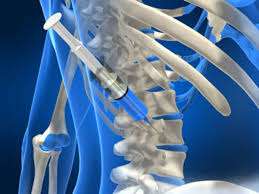
This condition occurs when one or both kidneys become swollen due to build-up of urine resulting from obstruction in urine flow. Hydronephrosis can develop rapidly under specific circumstances warranting urgent evaluation by healthcare providers!
- Signs you might observe include flank pain; drastic changes in urinary patterns such as reduced output; potential nausea/vomiting depending on severity levels—these warrant immediate assessment!
- Diverse diagnostic tools exist: initial imaging via ultrasounds helps assess kidney enlargement while further tests might explore blockage sites within ureters using CT scans/MRI technology skills available!
- Common interventions encompass treating underlying causes—catherization/ureter stenting play critical roles toward re-establishing proper drainage pathways enhancing clinical recovery!
Timely management assures preservation/ restoration function kidneys preemptively averting permanent damage
ACUTE CYSTITIS

Cystitis involves inflammation of the bladder lining which is frequently caused by bacterial infections. Acute cystitis can manifest suddenly with distressing symptoms needing swift attention.
- Main indicators consist of a burning sensation during urination, urgency despite little urine output, cloudy or strong-smelling urine, and sometimes lower abdominal discomfort.
- Doctors usually diagnose this condition through urine tests looking for bacteria along with symptom evaluation based on patient history.
- Treatment primarily focuses on antibiotics tailored for specific bacterial strains causing infection; drinking plenty of fluids helps flush out bacteria while healing occurs.
If properly treated early on with prescribed medication, acute cystitis generally resolves swiftly without complications. However untreated cases may escalate into more severe kidney infections requiring further intervention
ERECTILE DYSFUNCTION (ED)

Erectile dysfunction refers to the inability to achieve or maintain an erection sufficient for satisfactory sexual performance. It affects many men—both young and old—and can be indicative of underlying health issues.
- The causes can be varied: from psychological factors like stress or anxiety to physical problems such as vascular disease or hormone imbalances.
- A health professional typically conducts thorough evaluations including medical history assessments and physical exams; blood tests may also be necessary to rule out health concerns affecting erectile function.
- Treatment approaches include oral medications known as phosphodiesterase type 5 inhibitors (like sildenafil), vacuum erection devices, injections directly into the penis, or counseling if psychological issues are present.
Addressing erectile dysfunction not only improves sexual health but also enhances emotional intimacy in relationships. Timely consultation is essential for tailored management plans that suit individual needs
BPH (BENIGN PROSTATIC HYPERPLASIA)

BPH is an enlargement of the prostate gland which commonly affects older men. This growth can lead to uncomfortable urinary symptoms that impact day-to-day life.
- Symptoms may include difficulty starting urination, weak urine stream, frequent urination especially at night—known as nocturia—and an inability to fully empty the bladder.
- A healthcare professional will typically diagnose BPH via **physical examinations**, digital rectal exams (DRE), and possibly ultrasound tests to assess prostate size and bladder function.
- Treatment options range from lifestyle changes and medications that help relax muscles around the prostate to surgical procedures for severe cases where symptoms are debilitating.
- The focus on management aims not only at alleviating current symptoms but also preventing complications such as urinary retention or bladder damage.
Effective treatment strategies can significantly improve quality of life for those affected by BPH by reducing symptoms and allowing normal function once more.
KIDNEY STONES

This condition arises when minerals and salts crystallize in the kidneys, forming hard deposits known as **kidney stones**. They can vary in size and may cause severe discomfort while passing through the urinary tract.
- Symptoms often include intense pain in the back or side, blood in urine, nausea, and frequent urination.
- Diagnosis usually involves imaging tests like **CT scans or ultrasounds** which help visualize the stones' location and size.
- Treatment options range from increased hydration and pain management for smaller stones to **surgical intervention** or extracorporeal shock wave lithotripsy for larger ones that cause blockage.
- Preventive measures might include dietary modifications aimed at reducing stone formation risk factors such as low fluid intake or excessive sodium consumption.
Pain relief is often immediate with appropriate management; however, lifestyle changes are crucial for preventing future occurrences of kidney stones.
URINARY TRACT INFECTION (UTI)

A **urinary tract infection** (UTI) is a common condition that occurs when bacteria enter the urinary system, leading to inflammation and infection. Symptoms can vary in severity and may affect your daily life significantly.
- Common symptoms include a frequent urge to urinate, a burning sensation during urination, cloudy urine, and pelvic pain.
- Diagnosis typically involves a **urine sample** to identify the presence of bacteria or other pathogens.
- Treatment often consists of **antibiotics**, which are effective in eradicating the infection. Increased fluid intake is also encouraged.
- It’s important to follow your healthcare provider's instructions regarding medication, as untreating a UTI can lead to more serious conditions like kidney infections.
- After treatment, you should notice an improvement in symptoms within a few days; however, it's crucial to complete the full course of antibiotics as prescribed.
If left untreated, UTIs can lead to complications such as recurrent infections or spread to the kidneys, so early diagnosis and treatment are vital.