
DR Shetty Sadanand Raghunath
About Me
DR Shetty Sadanand Raghunath
Cardiologist
Biography
My Clinic
OPD Hours
| Tuesday | Morning | 10:00 AM | - | 02:00 PM |
| Evening | 06:00 PM | - | 09:00 PM | |
| Wednesday | Morning | 10:00 AM | - | 02:00 PM |
| Evening | 06:00 PM | - | 09:00 PM | |
| Thursday | Morning | 10:00 AM | - | 02:00 PM |
| Evening | 06:00 PM | - | 09:00 PM | |
| Friday | Morning | 10:00 AM | - | 02:00 PM |
| Evening | 06:00 PM | - | 09:00 PM | |
| Saturday | Morning | 10:00 AM | - | 02:00 PM |
| Evening | 06:00 PM | - | 09:00 PM | |
| Sunday | Morning | 10:00 AM | - | 02:00 PM |
| Evening | 06:00 PM | - | 09:00 PM | |
| Thursday | Morning | 10:00 AM | - | 02:00 PM |
| Evening | 06:00 PM | - | 09:00 PM |
Treatments
Specialised care and treatments offered
CHOLESTEROL MANAGEMENT

Mangeing cholesterol levels is crucial for reducing the risk of heart disease. Elevated cholesterol can lead to blockages in your arteries; therefore understanding how it works is important for everyone’s overall health.
- Signs could include unexplained fatigue but often symptoms are subtle until severe issues arise due to blockage over time.
- Diagnosis typically requires simple blood tests known as lipid panels measuring different types of fats present within your bloodstream.
- Treatment options include dietary changes emphasizing fruits & vegetables alongside pharmaceutical measures using statins among others targeted towards lowering bad cholesterol levels specifically creating balance within body systems overall without exacerbating conditions existing already!
- Regular monitoring plays an integral role enabling timely adjustments whenever necessary ensuring ongoing maintenance facilitating healthier choices moving forward proactively!
Understanding cholesterol management equips individuals best possible action steps essential taking control maximizing cardiovascular wellness enhancing life overall leading years!
VALVULAR HEART DISEASE
Valvular heart disease affects one or more of the four valves in the heart that regulate blood flow. This disorder necessitates thorough knowledge for effective management strategies.
- This condition can present with varied symptoms, including fatigue, palpitations, swelling in feet or ankles, depending on severity.
- Differentiating valvular issues typically requires diagnostic imaging techniques such as echocardiography for accurate assessment of valve performance.
- Treatment varies widely; options range from lifestyle recommendations to surgical interventions like valve repair or replacement based on individual assessments.
- Caring for one's heart through regular check-ups assists significantly in managing valvular disease over the long term.
Proactive engagement plays a critical role in maintaining optimal cardiovascular health amidst challenges posed by valvular heart disease.
ATRIAL FIBRILLATION
Atrial fibrillation (AFib) is an irregular heartbeat that can increase the risk of stroke. Timely identification and treatment are necessary to manage this cardiac arrhythmia effectively.
- The most common signs include palpitations, dizziness, weakness, or even fainting spells in some cases.
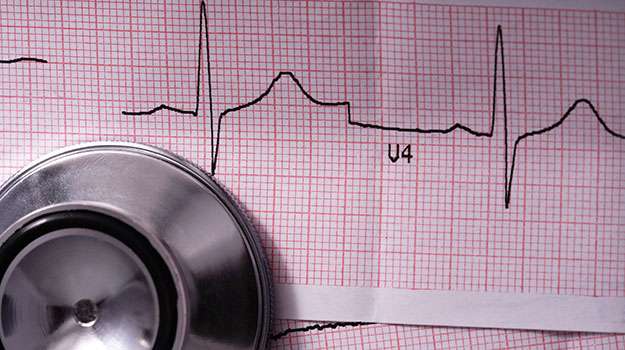
- A healthcare professional may perform an electrocardiogram (ECG) for proper detection.
- Treatments usually involve medications aimed at controlling heart rate or rhythm. In some instances, procedures like cardioversion may be recommended.
- Lifestyle modifications are also encouraged to reduce potential triggers associated with AFib episodes.
An understanding of atrial fibrillation aids patients in making informed decisions about their heart health while minimizing risks effectively.
HEART FAILURE
Heart failure is a chronic condition where the heart does not pump blood as efficiently as it should. Understanding this condition is vital for effective management and improved quality of life.
- This condition can manifest through various symptoms, including persistent cough, swelling in legs or abdomen, and rapid heartbeat.
- A healthcare provider may use echocardiograms and laboratory tests for accurate detection.
- Treatment often includes medications such as beta-blockers and diuretics along with lifestyle changes like a low-sodium diet and regular exercise regimen.
- Persistent follow-ups are critical for monitoring progression and managing symptoms effectively over time.
Coping with heart failure involves active participation in treatment plans to enhance well-being significantly.
CORONARY ARTERY DISEASE
Coronary artery disease (CAD) occurs when the coronary arteries become narrowed or blocked due to plaque buildup. This condition requires careful management to improve heart health.
- The primary symptoms often include chest pain (angina), fatigue, and shortness of breath during physical activity.
- Certain tests, such as stress tests and angiograms, help in diagnosing CAD by assessing the heart's function and blood flow.
- Treatment options include lifestyle changes like quitting smoking, medication to manage cholesterol levels, and possibly procedures such as angioplasty or bypass surgery.
- A healthier lifestyle can greatly contribute to improving overall heart function in individuals suffering from CAD.
An informed approach helps patients mitigate risks associated with coronary artery disease effectively.
HYPERTENSION
Hypertension, or high blood pressure, is a common condition that can lead to serious health issues if left unmanaged. It's crucial to recognize its symptoms and causes for effective treatment.
- Symptoms may include headaches, shortness of breath, and nosebleeds, although many individuals do not experience any noticeable signs.
- Diagnosis typically involves measuring blood pressure during a routine check-up or specifically using a sphygmomanometer.
- Treatment might include lifestyle changes such as diet modification and exercise, alongside medications like diuretics or ACE inhibitors.
- Regular monitoring of blood pressure is essential in managing hypertension effectively.
By understanding hypertension and adhering to treatment plans, individuals can significantly lower their risk of severe health complications.