
Dr Shikha Gupta
About Me
Dr Shikha Gupta
MBBS
General Physician
10 Years Experience
Biography
My Clinic
OPD Hours
| Monday | Morning | 10:00 AM | - | 02:00 PM |
| Evening | 06:00 PM | - | 09:00 PM | |
| Tuesday | Morning | 10:00 AM | - | 02:00 PM |
| Evening | 06:00 PM | - | 09:00 PM | |
| Wednesday | Morning | 10:00 AM | - | 02:00 PM |
| Evening | 06:00 PM | - | 09:00 PM | |
| Thursday | Morning | 10:00 AM | - | 02:00 PM |
| Evening | 06:00 PM | - | 09:00 PM | |
| Friday | Morning | 10:00 AM | - | 02:00 PM |
| Evening | 06:00 PM | - | 09:00 PM | |
| Saturday | Morning | 10:00 AM | - | 02:00 PM |
| Evening | 06:00 PM | - | 09:00 PM | |
| Sunday | Morning | 10:00 AM | - | 02:00 PM |
| Evening | 06:00 PM | - | 09:00 PM |
Treatments
Specialised care and treatments offered
GASTROESOPHAGEAL REFLUX DISEASE (GERD)
This digestive disorder occurs when stomach acid frequently flows back into the tube connecting mouth and stomach (esophagus), causing irritation over time. GERD impacts comfort during daily activities if untreated properly.
- Symptoms & causes: Heartburn after meals or at night; triggered by obesity, spicy food intake or hiatal hernia presence
- Diagnosis: Clinical evaluation supported by endoscopy or pH monitoring tests if needed
- Treatments & management: Lifestyle changes including weight loss & meal timing adjustments alongside antacid medications commonly prescribed
- What patients should expect: Symptom relief typically occurs within weeks but ongoing maintenance essential to avoid recurrence
Effective treatment plans focus on reducing acid exposure improving esophageal lining health thereby enhancing quality of life substantially
IRON DEFICIENCY ANEMIA

Anemia due to insufficient iron impairs oxygen delivery in the body resulting in fatigue and weakness. This condition manifests frequently especially among women of reproductive age but also affects other groups globally.
- Symptoms and causes: Symptoms include pallor, tiredness; caused by poor nutrition, blood loss or absorption issues affecting iron levels negatively. Diagnosis:
OSTEOARTHRITIS

This degenerative joint disease leads to cartilage breakdown causing pain and stiffness. It commonly affects older adults but can also occur due to injury or joint overuse in younger individuals.
- Symptoms and causes: Joint pain worsens with activity; aging, obesity, previous joint injuries increase risk factors.
- Diagnosis: Clinical evaluation supported by X-rays revealing cartilage loss and bone changes in affected joints.
- Treatment and management: Physical therapy, pain relief medications like NSAIDs; weight management can improve symptoms significantly.
- What to expect: Although there’s no cure, proper management improves mobility and quality of life over time without aggressive interventions initially.
Lifestyle adjustments combined with medical therapies help maintain function despite ongoing joint changes typical in osteoarthritis cases.
ACUTE RESPIRATORY INFECTIONS
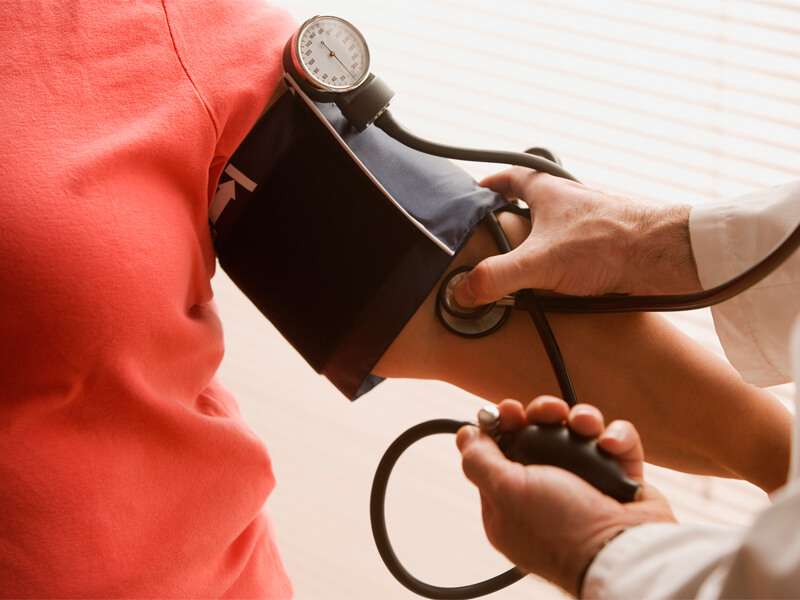
Bacterial or viral infections of the respiratory tract are frequent reasons for doctor visits across all ages. These infections often resolve with prompt care but sometimes require additional interventions.
- Symptoms and causes: Common signs include cough, sore throat, fever; caused by viruses like influenza or bacteria such as Streptococcus pneumoniae.
- Diagnosis: Based on clinical examination and sometimes laboratory tests if bacterial infection is suspected.
- Treatment and management: Symptomatic relief using analgesics, hydration; antibiotics only if bacterial infection diagnosed.
- What to expect: Most infections improve within one to two weeks with appropriate care; some may require further monitoring for complications such as pneumonia.
Caring early for respiratory infections helps reduce severity and promotes quicker recovery in patients of all ages.
TYPE 2 DIABETES MELLITUS

This chronic condition affects the way the body processes blood sugar (glucose), leading to elevated levels that can harm organs over time. It primarily results from insulin resistance.
- Symptoms and causes: Increased thirst, frequent urination, fatigue; caused by lifestyle factors combined with genetics.
- Diagnosis: Blood tests such as fasting glucose or HbA1c help confirm high blood sugar levels.
- Treatment and management: Includes dietary adjustments, weight control, oral medications, or insulin therapy when necessary.
- What to expect: Regular follow-ups are important for controlling glucose levels and preventing complications like nerve and kidney damage.
A balanced approach involving medical care and lifestyle modifications helps manage diabetes effectively over the long term.
HYPERTENSION MANAGEMENT
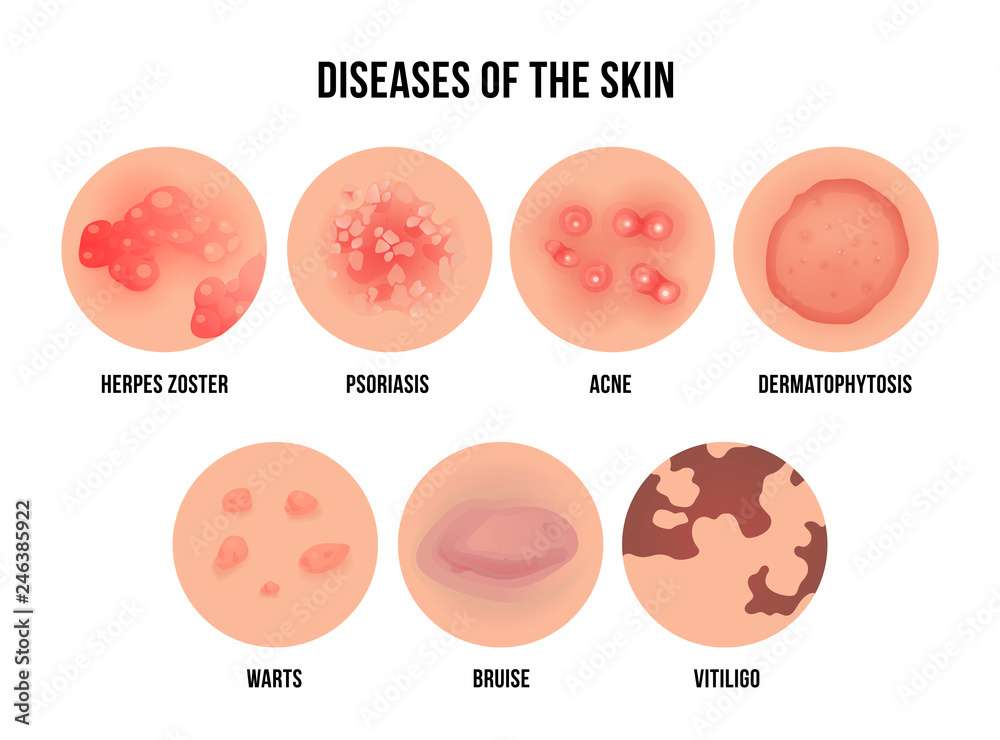
High blood pressure, or hypertension, is a common condition that can lead to serious health problems if left uncontrolled. It occurs when the force of blood against artery walls is consistently too high.
- Symptoms and causes: Often called the 'silent killer' because it may have no symptoms; risk factors include genetics, poor diet, lack of exercise, and stress.
- Diagnosis: Measured through regular blood pressure readings using a sphygmomanometer during clinical visits.
- Treatment and management: Lifestyle changes such as diet modification, increased physical activity, and medications including diuretics or beta-blockers are commonly prescribed.
- What to expect: Regular monitoring is essential to adjust therapies and prevent complications like heart attack and stroke.
Managing hypertension effectively reduces risks and supports long-term cardiovascular health with commitment to treatment plans.