
Dr Shilpa Aroskar
About Me
Dr Shilpa Aroskar
Pediatrician
Biography
My Clinic
OPD Hours
| Tuesday | Morning | 10:00 AM | - | 02:00 PM |
| Evening | 06:00 PM | - | 09:00 PM | |
| Wednesday | Morning | 10:00 AM | - | 02:00 PM |
| Evening | 06:00 PM | - | 09:00 PM | |
| Thursday | Morning | 10:00 AM | - | 02:00 PM |
| Evening | 06:00 PM | - | 09:00 PM | |
| Friday | Morning | 10:00 AM | - | 02:00 PM |
| Evening | 06:00 PM | - | 09:00 PM | |
| Saturday | Morning | 10:00 AM | - | 02:00 PM |
| Evening | 06:00 PM | - | 09:00 PM | |
| Sunday | Morning | 10:00 AM | - | 02:00 PM |
| Evening | 06:00 PM | - | 09:00 PM | |
| Thursday | Morning | 10:00 AM | - | 02:00 PM |
| Evening | 06:00 PM | - | 09:00 PM |
Treatments
Specialised care and treatments offered
PEDIATRIC FRACTURE MANAGEMENT

Pediatric fractures can occur due to falls or accidents while playing sports or engaging in everyday activities. Prompt evaluation by healthcare professionals ensures proper diagnosis and treatment leading to optimal recovery outcomes.
- Types: Fractures vary from simple hairline fractures requiring minimal intervention to complex breakages needing surgical repair depending on severity.
- Symptoms: Key indicators include swelling around the affected area accompanied by pain when moving it; deformity might also be evident depending on fracture type.
- Diagnosis process: X-rays are commonly utilized tools assisting physicians in determining fracture characteristics along with necessary corrective measures.
- Treatment approaches:
VACCINE ADMINISTRATION FOR PEDIATRIC PATIENTS

The administration of vaccines is critical in preventing serious diseases among pediatric patients. Vaccines stimulate immunity against various infectious diseases that can pose serious health risks if contracted during childhood.
- Importance: Vaccines help protect not only individual children but also communities through herd immunity especially for those who cannot be vaccinated due to medical reasons.
- Schedule: A recommended vaccination schedule ensures timely protection against diseases such as measles, mumps, rubella (MMR), polio etc., following guidelines set by health authorities.
- Side effects: While side effects like mild fever or soreness at injection sites are common they are generally temporary; serious side effects are rare.
- Monitoring response: Parents should monitor their child post-vaccination for any unusual reactions; reporting these helps enhance safety measures.
Vaccinations have become one of our most effective tools in promoting children's health while safeguarding future generations against infectious diseases.
PEDIATRIC GASTROESOPHAGEAL REFLUX DISEASE (GERD) TREATMENT

Pediatric GERD occurs when stomach contents flow back into the esophagus causing irritation. This condition can affect feeding habits and growth in infants and younger children. Understanding GERD helps manage its symptoms effectively.
- Symptoms: Frequent vomiting or spitting up after feedings, irritability during feeds, failure to thrive, or refusal to eat could indicate GERD in infants.
- Causative factors: Immature digestive systems play a significant role; also structural abnormalities such as hiatal hernia may contribute to severity levels.
- Treatment options: In many cases dietary changes along with medication are recommended; severe cases may require surgical intervention like fundoplication surgery for lasting relief.
- Monitoring: Close observation through regular consultations enables timely adjustments in treatment plans as needed.
With appropriate interventions, most children experience significant improvement in their quality of life without long-term complications.
PEDIATRIC HYPOSPADIAS REPAIR
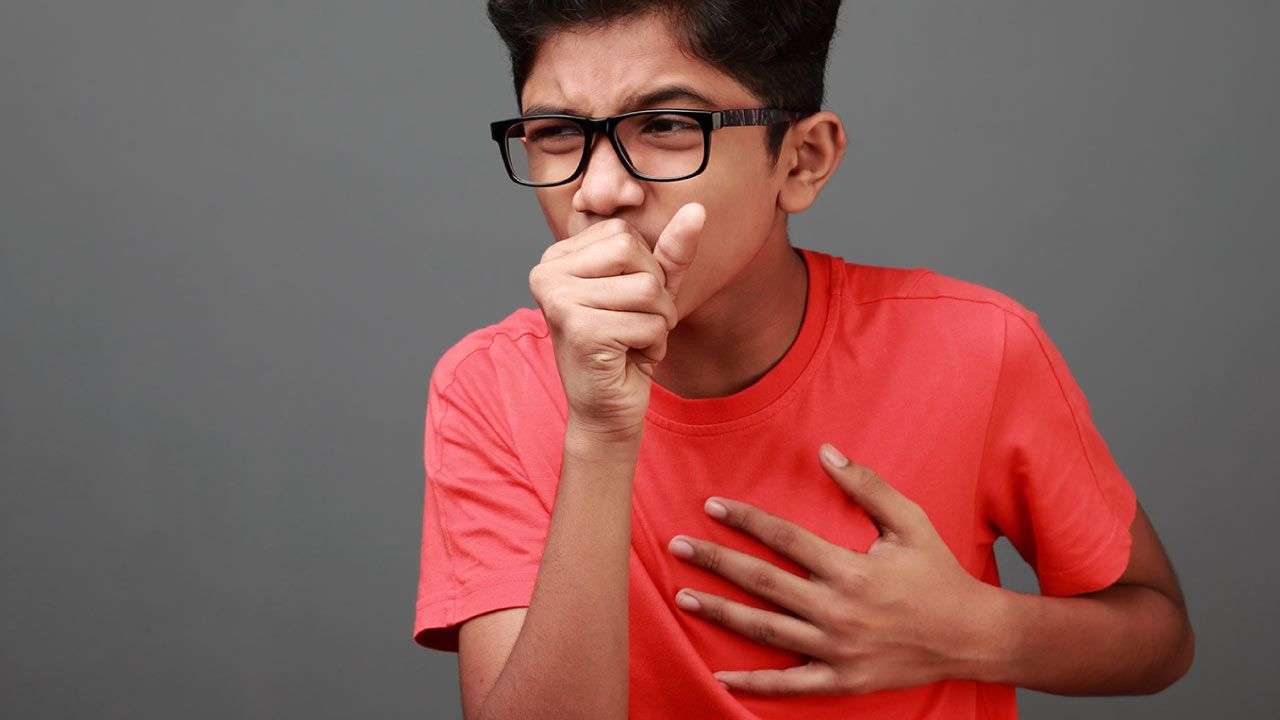
Hypospadias is a congenital condition where the urinary opening is not located at the tip of the penis. Surgical repair is usually performed early in life to correct this condition and improve urinary function and appearance.
- Diagnosis: This condition is typically diagnosed at birth through physical examination by healthcare professionals.
- Treatment plan: Surgical intervention involves creating a new urinary opening at the correct location which can greatly enhance both function and aesthetics.
- Pain management: Post-operative care includes monitoring for any complications such as bleeding or infection while managing discomfort with prescribed medications.
- Follow-up visits: Regular follow-ups ensure successful healing and proper function post-surgery.
This operation not only addresses functional concerns but also supports psychosocial well-being as children grow older.
EAR TUBE PLACEMENT
The placement of ear tubes is a common procedure for children suffering from recurrent ear infections or persistent fluid in the middle ear. This minimally invasive surgery aims to relieve pressure and prevent infection.
- Causes: Factors leading to ear infections may include allergies, colds, or anatomical issues affecting the Eustachian tube function.
- Symptoms: Signs may include severe ear pain, irritability in young children, hearing difficulties, or drainage from the ear.
- Surgical procedure: During the procedure, a small incision is made in the eardrum to insert tiny tubes that allow ventilation of the middle ear.
- Recovery: Most children recover quickly from this outpatient procedure and can return to normal activities shortly after.
This intervention has proven an effective solution for many children, reducing the frequency of infections significantly over time.
PEDIATRIC ASTHMA MANAGEMENT
Pediatric asthma is a chronic lung condition that can cause wheezing, shortness of breath, and coughing. It often begins in childhood but continues into adulthood. Managing asthma effectively requires understanding its triggers and symptoms.
- Symptoms: Common signs include persistent cough, especially at night or during exercise, wheezing sounds while breathing, and difficulty catching one's breath.
- Diagnosis: Diagnosis typically involves a physical exam and may include lung function tests or allergy testing to identify specific triggers.
- Treatment options: Management can involve the use of inhalers (both rescue and maintenance), corticosteroids, and lifestyle modifications to minimize exposure to allergens.
- Monitoring: Regular follow-ups are essential to evaluate control over symptoms and adjust medications accordingly.
With proper management, children with asthma can lead full active lives while minimizing their symptoms and emergency situations.