
Dr Shilpa Bansal
About Me
Dr Shilpa Bansal
Obstetrician
Biography
My Clinic
OPD Hours
| Tuesday | Morning | 10:00 AM | - | 02:00 PM |
| Evening | 06:00 PM | - | 09:00 PM | |
| Wednesday | Morning | 10:00 AM | - | 02:00 PM |
| Evening | 06:00 PM | - | 09:00 PM | |
| Thursday | Morning | 10:00 AM | - | 02:00 PM |
| Evening | 06:00 PM | - | 09:00 PM | |
| Friday | Morning | 10:00 AM | - | 02:00 PM |
| Evening | 06:00 PM | - | 09:00 PM | |
| Saturday | Morning | 10:00 AM | - | 02:00 PM |
| Evening | 06:00 PM | - | 09:00 PM | |
| Sunday | Morning | 10:00 AM | - | 02:00 PM |
| Evening | 06:00 PM | - | 09:00 PM | |
| Thursday | Morning | 10:00 AM | - | 02:00 PM |
| Evening | 06:00 PM | - | 09:00 PM |
Treatments
Specialised care and treatments offered
ULTRASOUND IMAGING

Ultrasound imaging is a safe, non-invasive procedure used throughout pregnancy to monitor fetal development and maternal health. It plays an essential role in prenatal care by providing real-time insights into the baby's growth.
- Symptoms/Causes: While not used specifically for symptom detection, ultrasounds can help confirm pregnancy viability or detect issues that may arise during gestation.
- Diagnosis: Routine ultrasounds are typically performed at various stages of pregnancy to assess fetal size, determine gestation age, and identify any potential abnormalities.
- Treatment/Management: Depending on findings, further monitoring or intervention may be required; however, most ultrasounds show normal development without complications.
- Expectations: Expectant mothers often feel reassured by seeing their baby via ultrasound images; this connection strengthens the parental bond early on.
FERTILITY EVALUATION
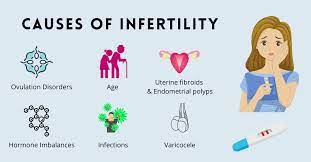
A fertility evaluation can help identify underlying causes of infertility for couples trying to conceive. Understanding these factors is the first step toward developing an appropriate treatment plan.
- Symptoms/Causes: Infertility can manifest through irregular menstrual cycles or history of miscarriages. Identifying these symptoms early on is crucial in addressing fertility issues.
- Diagnosis: Both partners typically undergo various tests, including blood work and imaging studies, to assess reproductive health.
- Treatment/Management: Treatments may range from medication to stimulate ovulation to advanced assisted reproductive technologies depending on the diagnosis.
- Expectations: Open communication about expectations and timelines during this process helps manage emotional stress associated with infertility challenges.
PRECONCEPTION COUNSELING
Preconception counseling is a proactive approach aimed at preparing individuals physically and emotionally for a healthy pregnancy. This preparatory phase is essential in addressing potential health issues before conception.
- Symptoms/Causes: Discussions may include topics like menstrual cycles, family medical history, and existing health conditions that may impact pregnancy.
- Diagnosis: A thorough evaluation of personal and family health histories can reveal necessary adjustments to improve fertility.
- Treatment/Management: Recommendations might include lifestyle changes, nutritional advice, and managing chronic conditions such as hypertension or diabetes prior to attempting conception.
- Expectations: Engaging in preconception counseling enables couples to increase their chances of a healthy pregnancy and will often require ongoing support from healthcare professionals.
This valuable service empowers potential parents with knowledge that promotes healthier outcomes for future pregnancies.
CERVICAL CANCER SCREENING
Cervical cancer screening through Pap tests is vital for early detection of abnormalities before they progress to cancer. Routine checks can significantly reduce cervical cancer rates by identifying issues early on.
- Symptoms/Causes: Often asymptomatic in early stages, it’s important to discuss any unusual vaginal bleeding or discharge with your healthcare provider as they could be indicators of underlying problems.
- Diagnosis: Pap smears are conducted during routine gynecological exams to detect precancerous cells on the cervix.
- Treatment/Management: If abnormal cells are found, further testing such as a colposcopy may be required. Treatment options vary from monitoring to surgical intervention depending on severity.
- Expectations: Regular screening can lead to positive outcomes by facilitating timely medical interventions when necessary.
This preventive measure can save lives by promoting early diagnosis and treatment options for women at risk.
GESTATIONAL DIABETES SCREENING
Gestational diabetes screening is an essential part of prenatal care that helps identify women who may develop diabetes during their pregnancy. This condition requires careful monitoring to ensure the health of both mother and child.
- Symptoms/Causes: Many women may not exhibit obvious symptoms; however, increased thirst and frequent urination could indicate potential issues. Risk factors include obesity or a family history of diabetes.
- Diagnosis: A glucose challenge test is typically performed between 24 to 28 weeks of pregnancy to measure how the body processes sugar.
- Treatment/Management: If diagnosed with gestational diabetes, management often involves dietary adjustments, exercise recommendations, and sometimes insulin therapy.
- Expectations: With proper management, most women can have healthy pregnancies without long-term complications for themselves or their babies.
This screening plays a vital role in safeguarding maternal and infant health during pregnancy.
PRENATAL CARE
Receiving regular prenatal care is crucial for the health of both the expectant mother and her baby. Early and consistent check-ups can help manage any potential complications that may arise during pregnancy.
- Symptoms/Causes: Pregnant women often experience a range of physical changes, including nausea, fatigue, and emotional fluctuations. Understanding these symptoms is key to managing them effectively.
- Diagnosis: Prenatal visits typically include blood tests, ultrasounds, and screenings for gestational diabetes to monitor both mother and baby’s health.
- Treatment/Management: Management options may include nutritional counseling, prenatal vitamins, and lifestyle modifications aimed at ensuring a healthy pregnancy.
- Expectations: Regular check-ups will help in identifying any risks early on, allowing for timely interventions if necessary.
By prioritizing prenatal care, mothers can take proactive steps towards ensuring a positive pregnancy experience.