
Dr Shilpa Verma
About Me
Dr Shilpa Verma
General Physician
Biography
My Clinic
OPD Hours
| Tuesday | Morning | 10:00 AM | - | 02:00 PM |
| Evening | 06:00 PM | - | 09:00 PM | |
| Wednesday | Morning | 10:00 AM | - | 02:00 PM |
| Evening | 06:00 PM | - | 09:00 PM | |
| Thursday | Morning | 10:00 AM | - | 02:00 PM |
| Evening | 06:00 PM | - | 09:00 PM | |
| Friday | Morning | 10:00 AM | - | 02:00 PM |
| Evening | 06:00 PM | - | 09:00 PM | |
| Saturday | Morning | 10:00 AM | - | 02:00 PM |
| Evening | 06:00 PM | - | 09:00 PM | |
| Sunday | Morning | 10:00 AM | - | 02:00 PM |
| Evening | 06:00 PM | - | 09:00 PM | |
| Thursday | Morning | 10:00 AM | - | 02:00 PM |
| Evening | 06:00 PM | - | 09:00 PM |
Treatments
Specialised care and treatments offered
PREVENTIVE HEALTH SCREENINGS
Preventive health screenings are vital processes aimed at detecting potential health issues before they develop into serious conditions. Regular check-ups play an essential role in maintaining wellness through early intervention strategies.
- Potential benefits strong > include identifying risk factors related to chronic diseases such as diabetes or heart disease which allows timely implementation of preventive measures.
- Standard recommendations focus on age-appropriate screenings including cholesterol checks & cancer screenings tailored based on individual risk profiles.
- Healthcare providers utilize various diagnostic tools ranging from blood tests assessing metabolic parameters together with imaging studies where justified.
- Patient involvement ensures comprehensive care; keeping track of family history alongside personal habits contribute significantly toward achieving optimized health outcomes through these screenings.
Adopting this proactive stand empowers individuals towards fostering healthier lifestyles ultimately leading greater overall longevity & improved living standards.
GASTROESOPHAGEAL REFLUX DISEASE (GERD)

THYROID DISORDERS
Thyroid disorders involve abnormalities in thyroid hormone production which can affect metabolism significantly. Understanding these conditions is key for effective intervention.
- The symptoms vary; hyperthyroidism might cause unintended weight loss and increased heart rate while hypothyroidism generally leads to fatigue and weight gain due to reduced hormone levels.
- Diagnosis typically includes measuring thyroid hormone levels via blood tests, including TSH (Thyroid Stimulating Hormone) assessment alongside other specific markers depending on the disorder type.
- Treatment options differ: hypoactive thyroid conditions are managed through synthetic hormone replacement therapy whereas hyperactive conditions might require medications or surgical interventions for definitive management.
A patient’s compliance with treatment regimens along with routine follow-ups ensures optimal thyroid function restoration along with improved overall wellbeing.
ASTHMA CONTROL
Asthma is a chronic respiratory condition characterized by inflammation in the airways. Effective management enhances quality of life and reduces exacerbations.
- Common symptoms include wheezing, coughing (especially at night), chest tightness, and shortness of breath triggered by allergens or physical exertion.
- A confirmed diagnosis often involves lung function tests such as spirometry along with detailed patient history assessments regarding symptoms and triggers.
- Treatment includes inhaled corticosteroids for daily management alongside quick-relief bronchodilators for acute episodes while avoiding known triggers whenever possible.
- An asthma action plan developed in partnership with healthcare providers aids patients in managing flare-ups effectively based on symptom severity.
With proper education and adherence to treatment protocols, individuals living with asthma can enjoy active lifestyles without significant limitations imposed by their condition.
DIABETES MANAGEMENT

Diabetes mellitus is a chronic condition that affects how your body metabolizes glucose. Awareness of its implications is essential for controlling the disease effectively.
- Common symptoms include increased thirst, frequent urination, fatigue, and blurred vision that arises when blood sugar levels are unregulated.
- The diagnosis usually involves tests such as fasting blood glucose tests or HbA1c measurements that assess average glucose levels over time.
- Managing diabetes typically requires a combination of dietary modifications, regular physical activity, and medication or insulin therapy based on individual needs.
- Persistent self-monitoring of blood sugar levels helps in adjusting treatment plans accordingly to maintain optimal glycemic control.
- An overall goal is to prevent long-term complications such as neuropathy or cardiovascular diseases through careful management strategies.
A proactive approach enables individuals with diabetes to manage their health more effectively while maintaining quality of life.
HYPERTENSION MANAGEMENT
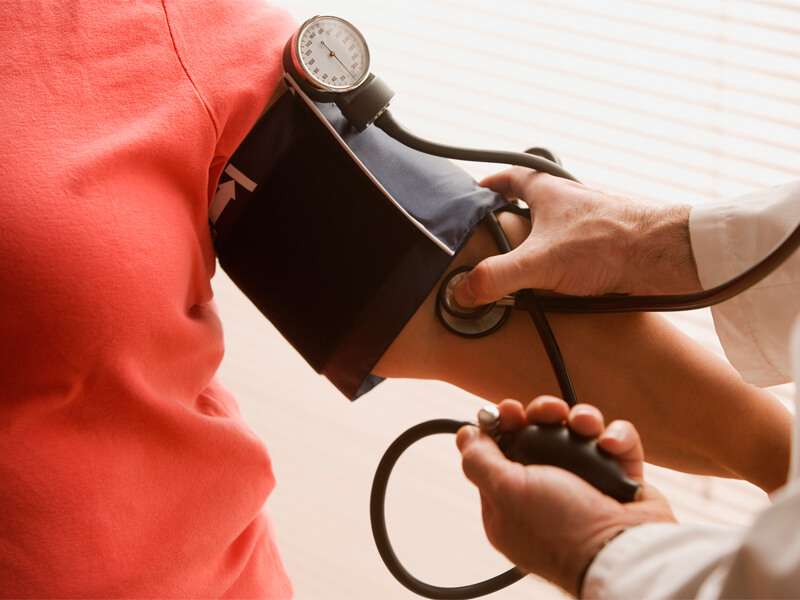
Hypertension, often referred to as high blood pressure, is a common condition that can lead to serious health issues if not managed properly. Understanding this condition is crucial for effective treatment and prevention.
- Symptoms may include frequent headaches, shortness of breath, or nosebleeds, though it can often be asymptomatic.
- Diagnosis typically involves blood pressure measurements taken at multiple visits and may include additional tests like blood tests or an ECG.
- Treatment options encompass lifestyle changes such as diet and exercise improvements, as well as medications like diuretics and ACE inhibitors.
- Regular monitoring is vital; patients should track their blood pressure at home and maintain follow-up appointments with their healthcare provider.
- The goal of management is to reduce the risk of complications like heart attack or stroke by keeping blood pressure within a normal range.
By adhering to prescribed interventions and making healthy lifestyle choices, individuals with hypertension can lead fulfilling lives while minimizing health risks.